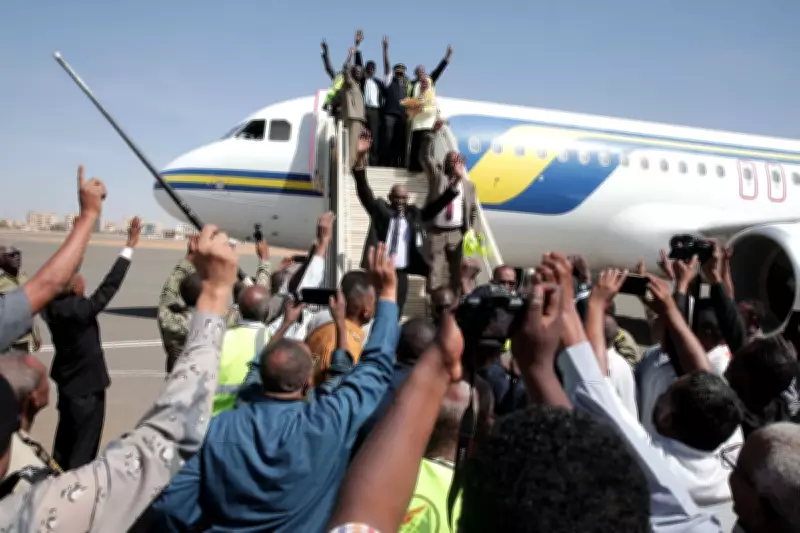
A significant development has occurred in Sudan's war-ravaged capital, as a commercial aircraft touched down at Khartoum International Airport for only the second time since the nation's brutal conflict erupted nearly three years ago.
A Symbolic Arrival Amidst Devastation
According to the state-run SUNA news agency, the domestic flight, operated by the national flag carrier SUDANAIR, landed at the airport on Sunday afternoon. This arrival represents a fragile step towards normalisation in a city that has endured immense destruction.
Route and Government Return
The aircraft took off on Sunday morning from the eastern Red Sea city of Port Sudan. Port Sudan had functioned as an interim seat for the Sudanese government until the administration relocated back to Khartoum earlier this year. The reopening of the capital's primary airport is viewed as a crucial component of official efforts to restore a semblance of ordinary life.

Context of a Scarce Service
This SUDANAIR service is notably only the second commercial flight to arrive in Khartoum since the conflict started. The first was operated by the privately owned Badr Airlines, which landed at the airport in October last year. That previous attempt at reopening was met with immediate hostility; the paramilitary Rapid Support Forces (RSF) launched drone attacks at the airport to disrupt the government's efforts. The military had retaken control of Khartoum from the RSF earlier in the same year.
The Airport's Wartime Damage
The Khartoum International Airport itself suffered severe damage during the initial weeks of the war, which began in April 2023. The conflict originated from a violent power struggle between the Sudanese military and the RSF, exploding into open fighting in the capital and across the country.
The Staggering Human Cost
The broader context of this flight's arrival is one of profound human suffering. The devastating war has, according to United Nations figures, killed more than 40,000 people. However, numerous aid organisations contend this is a significant undercount, with the true death toll potentially many times higher.
The conflict has precipitated the world's largest humanitarian crisis, forcing over 14 million people to flee their homes. It has fueled widespread disease outbreaks and pushed several regions of the country towards famine, creating a catastrophic situation that continues to unfold.