Subtle variations in how people pronounce words like 'Iran' and 'Iraq' can serve as powerful indicators of political ideology and social identity, according to linguistic experts. A recent analysis highlights that these pronunciation differences are not merely accidental but often reflect deeper political stances and affiliations.
The Linguistic Divide in Political Speech
During the Iraq War, a notable study examined how American politicians pronounced the word 'Iraq.' The research found a clear correlation between party affiliation and pronunciation choices. Republicans tended to favor an anglicized version, saying 'ear-RACK,' while Democrats more commonly used a pronunciation closer to the native Arabic, 'ear-ROCK.' This distinction was not just phonetic; it carried ideological weight.
The 'ear-RACK' pronunciation was statistically linked to politicians who supported sending more troops to Iraq, suggesting that this linguistic choice might create a sense of distance or otherness from the nation in question. By anglicizing the pronunciation, speakers could subtly underscore a 'pro-America' focus, aligning with nationalist sentiments.

Extending the Pattern to 'Iran'
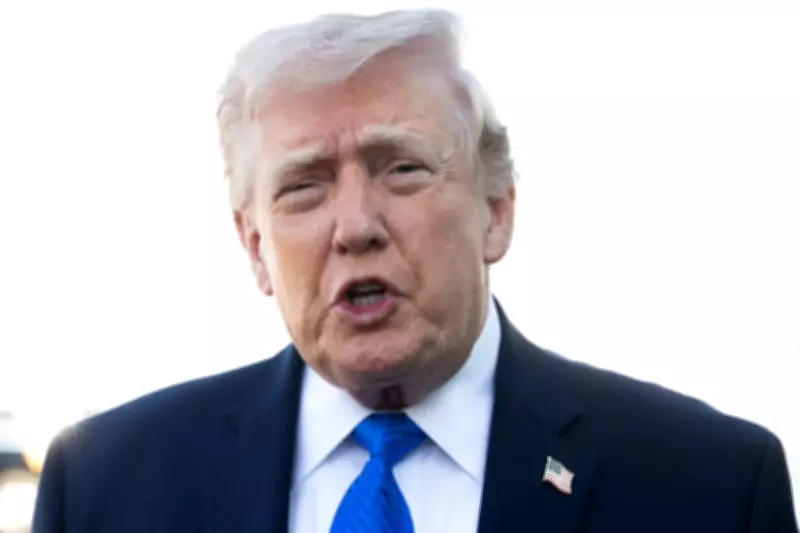
This linguistic phenomenon extends beyond Iraq to include 'Iran.' Prominent figures such as Donald Trump and JD Vance have been observed using the anglicized 'Ih-RAN' instead of a more native-like 'E-ron.' Linguists argue that this choice may similarly signal a political positioning that emphasizes American interests over international nuances.
By opting for 'Ih-RAN,' these politicians might be reinforcing a narrative of separation or opposition, potentially to appeal to voters who prioritize domestic concerns. This pattern mirrors historical contexts, such as the Vietnam War, where pronunciation variations also reflected political attitudes and evolved over time as public opinion shifted.
Broader Implications for Language and Politics
The interplay between pronunciation and politics reveals how language can be a tool for ideological expression. These subtle differences in vowel sounds are not just about accent or dialect; they can convey complex messages about a speaker's worldview, including their stance on foreign policy and national identity.
As political landscapes change, so too might these linguistic markers, but for now, they offer a fascinating lens through which to analyze public discourse. Understanding these patterns helps illuminate the ways in which even small speech choices can reflect and reinforce broader social and political divides.