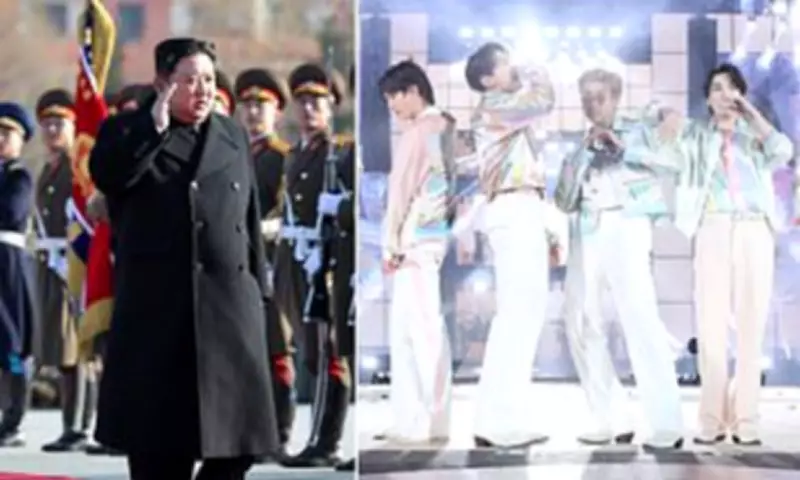
North Korea Publicly Executes Children for Consuming South Korean Media
Shocking new testimonies gathered by Amnesty International reveal that North Korea is publicly executing children and teenagers for watching South Korean television shows and listening to K-pop music. Defectors who fled the authoritarian regime describe a climate of extreme fear where consuming globally popular South Korean media can lead to brutal punishments including forced labour, public humiliation, and death.
Public Executions as 'Ideological Education'
North Korean defectors described being forced as schoolchildren to attend public executions as part of what authorities call 'ideological education.' Choi Suvin witnessed a public execution in Sinuiju between 2017 and 2018 of someone accused of distributing foreign media. 'Authorities told everyone to go, and tens of thousands of people from Sinuiju city gathered to watch,' she reported. 'They execute people to brainwash and educate us.'
Kim Eunju, 40, recalled systematic orders from schools: 'When we were 16, 17, in middle school, they took us to executions and showed us everything. People were executed for watching or distributing South Korean media. It's ideological education: if you watch, this happens to you too.'

Dystopian Laws and Extreme Punishments
North Korea maintains one of the world's most restrictive information environments through its 2020 Anti-Reactionary Thought and Culture Act. This legislation mandates:
- Five to fifteen years of forced labour for watching or possessing South Korean dramas, films, or music
- Heavy sentences including the death penalty for distributing 'large amounts' of content
- Severe punishment for organising group viewings of foreign media
Defectors described how wealthier families can sometimes avoid punishment by paying bribes to corrupt officials, creating a system where repression is layered with corruption that most devastates those without financial means or connections.
Popular Media Targeted for Execution
Testimonies reveal that newer South Korean content reaches North Korea faster than in previous decades, with authorities specifically targeting popular shows and music. Interviewees mentioned:
- Crash Landing on You - noted for its North Korea setting
- Descendants of the Sun - featuring military themes
- Squid Game - with reports of executions including high school students for watching the series
- BTS music - K-pop songs by the globally famous boy band
One interviewee reported hearing from an escapee with family connections in Yanggang Province that people, including high school students, were executed for watching Squid Game. Radio Free Asia separately documented an execution in North Hamgyong Province in 2021 for distributing the series.
Amnesty International's Investigation
Amnesty International conducted 25 in-depth individual interviews with North Korean escapees in 2025. The research group included 11 individuals who fled North Korea between 2019 and 2020, with the most recent departure in June 2020. Most participants were aged between 15 and 25 at the time of their escape, providing firsthand accounts of the regime's brutal media restrictions.
Sarah Brooks, Amnesty International's Deputy Regional Director, stated: 'These testimonies show how North Korea is enforcing dystopian laws that mean watching a South Korean TV show can cost you your life – unless you can afford to pay. The authorities criminalise access to information in violation of international law, then allow officials to profit off those fearing punishment.'
She added: 'This government's fear of information has effectively placed the entire population in an ideological cage, suffocating their access to the views and thoughts of other human beings. People who strive to learn more about the world outside North Korea, or seek simple entertainment from overseas, face the harshest of punishments. This completely arbitrary system, built on fear and corruption, violates fundamental principles of justice and internationally recognised human rights.'

The testimonies also reveal that North Korean defectors living across the border have been sending balloons containing anti-regime leaflets and USB memory sticks with Korean pop music and videos into North Korea, attempting to circumvent the regime's information blockade despite the extreme risks involved.