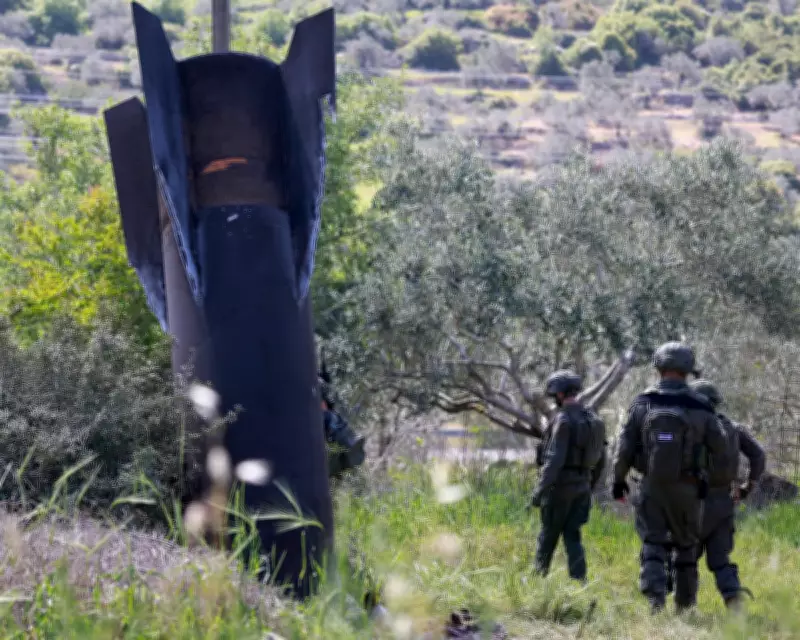
Middle East Violence Escalates Amid Contradictory Claims on US-Iran Talks
Violence has persisted across much of the Middle East, with Israeli soldiers inspecting an Iranian missile remnant in the West Bank village of Hares on Tuesday, as tensions flare despite former US President Donald Trump's assertion that the United States is engaged in "very good" talks with Iran to swiftly end the regional war. This claim has been firmly denied by multiple official sources in Tehran, casting doubt on diplomatic progress.
Iran Denies Negotiations Amid Ongoing Strikes
Iranian barrages targeted Israel, Gulf Arab states, and northern Iraq on Tuesday, while Israeli and US warplanes continued to carry out strikes across Tehran and other locations within the Islamic Republic. Mohammad Bagher Ghalibaf, the Iranian parliament speaker, dismissed Trump's statements as "fake news" designed to manipulate financial and oil markets, emphasizing that no negotiations have been held with the US.
Tehran's distrust stems from previous engagements; Iran was in talks with the US before a surprise attack that initiated the war, resulting in the death of Supreme Leader Ali Khamenei and numerous senior officials. Additionally, discussions last year preceded US and Israeli assaults on Iranian nuclear facilities, sparking a 12-day conflict. Esmail Kowsari, a member of Iran's national security and foreign policy committee, warned against believing such claims, stating they aim to sow discord and undermine public trust in officials.

Diplomatic Efforts and Regional Impacts
Despite the denials, potential intermediaries including Pakistan, Oman, and Egypt have confirmed tentative efforts to establish communication channels between Washington and Tehran. Analysts note deep divisions among surviving senior Iranian officials, which may explain the defiant reactions. Iran's foreign minister, Abbas Araghchi, has been discussing the war with counterparts from countries such as Azerbaijan, Russia, and Turkey, according to his office.
In Islamabad, officials suggested a possible meeting between Iranian representatives and US envoys like Steve Witkoff, Jared Kushner, and JD Vance. A European official indicated that while direct negotiations are absent, messages are being relayed through Egypt, Pakistan, and Gulf states. This diplomatic activity follows weekend threats between the US and Iran over strikes that could disrupt electricity and desalination plants critical to millions in the region.
Military Actions and Economic Consequences
On Monday, Trump delayed a deadline for Iran to open the Strait of Hormuz, briefly affecting oil prices and stocks, with the new expiry set for Friday. The US continues to reinforce military forces around Iran, with approximately 5,000 marines en route, and launches new attacks. Iranian media reported that Israeli-US strikes targeted gas facilities and a pipeline in central Iran, causing partial damage, though details remain unverified.
Israeli Prime Minister Benjamin Netanyahu vowed to continue strikes on Iran and Lebanon, targeting Hezbollah, even as the US considers a ceasefire. Early Tuesday, Iran fired multiple missile waves at Israel, with one impacting Tel Aviv, blowing out windows and sending smoke billowing. Israel also pounded Beirut's southern suburbs, killing at least two people in a residential strike, according to the Lebanese health ministry.
In Kuwait, power lines were damaged by air defence shrapnel, causing outages, while missile alerts sounded in Bahrain. Saudi Arabia's defence ministry reported destroying 19 Iranian drones targeting its Eastern province. Oil prices surged to $104 per barrel, up over 40% since the war began on February 28, with analysts warning of prolonged disruption to oil and gas supplies, potentially leading to severe global economic repercussions.