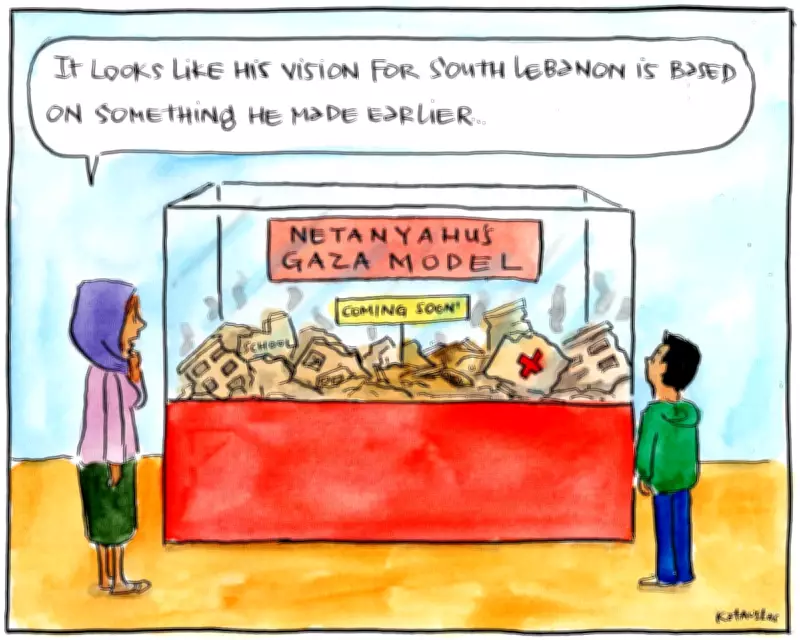
In the volatile landscape of the Middle East, Israel's strategic approach towards Lebanon has become a focal point of international concern. With ongoing skirmishes and heightened rhetoric, understanding Israel's plan for Lebanon is crucial for assessing regional stability.
Military Posturing and Border Dynamics
Israel has significantly bolstered its military presence along the Lebanese border, deploying advanced surveillance systems and increasing troop numbers. This move is widely interpreted as a deterrent against Hezbollah, the Iran-backed militant group that holds considerable sway in southern Lebanon. Israeli officials have repeatedly warned that any provocation from Hezbollah could trigger a severe response, potentially escalating into a broader conflict.
Diplomatic Maneuvers and International Pressure
Concurrently, Israel is engaging in diplomatic efforts to isolate Hezbollah on the global stage. By lobbying allies and international bodies, Israel aims to curb Hezbollah's funding and military capabilities. These initiatives are part of a broader strategy to weaken the group's influence without necessitating a full-scale invasion, which could have devastating humanitarian consequences.

Economic and Infrastructural Considerations
Beyond military and diplomatic fronts, Israel's plan includes economic measures designed to pressure the Lebanese government. Sanctions and restrictions on trade are being considered to compel Beirut to rein in Hezbollah. However, such actions risk exacerbating Lebanon's already dire economic crisis, raising ethical questions about the impact on civilian populations.
Potential Scenarios and Regional Implications
Experts outline several possible outcomes of Israel's strategy. A limited military engagement might target Hezbollah strongholds, while a more extensive operation could involve ground incursions. Alternatively, sustained diplomatic pressure might lead to a negotiated settlement, though this remains uncertain given historical animosities. The regional implications are profound, with potential ripple effects involving Iran, Syria, and other stakeholders.
Humanitarian Concerns and Civilian Safety
Amid these strategic calculations, humanitarian concerns loom large. Any escalation in hostilities would likely displace thousands of civilians and strain already fragile infrastructure. International organizations are urging restraint and preparedness, emphasizing the need for contingency plans to protect non-combatants.
In summary, Israel's plan for Lebanon is multifaceted, blending military readiness with diplomatic and economic pressures. While aimed at neutralizing threats from Hezbollah, it carries significant risks of escalation and humanitarian fallout. The coming months will be critical in determining whether deterrence can prevail over conflict in this tense region.