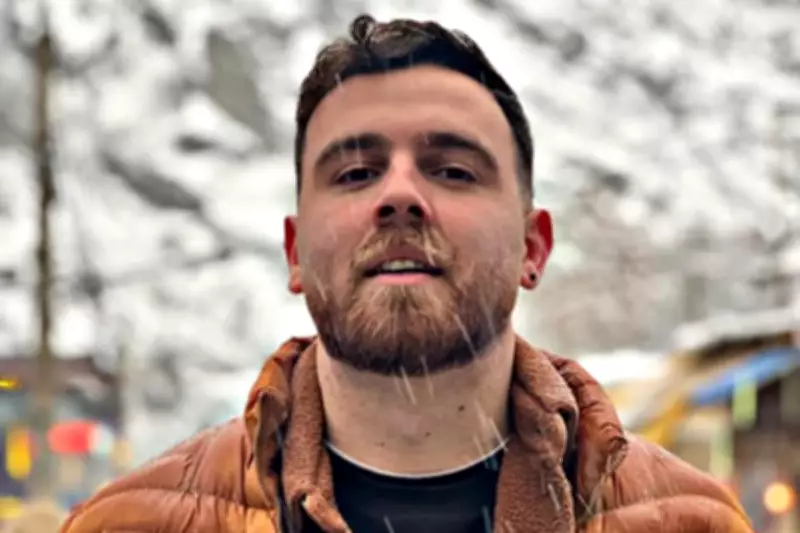
An Iranian protester who was reportedly facing execution for his alleged involvement in mass anti-government demonstrations has been released on bail, according to his legal representative and human rights organisations. Erfan Soltani, a 26-year-old resident of Fardis, a city located west of Tehran, had been detained following the widespread protests that shook the Iranian capital last month.
From Death Sentence to Conditional Release
Mr Soltani's case had drawn significant international attention after reports emerged that he was being rushed through the judicial system to face the death penalty. He was most recently held at Ghezel Hesar prison, Iran's largest state facility which has gained notoriety for documented accounts of torture, abuse, and severely inadequate hygiene conditions, as highlighted by various rights groups.
According to his lawyer, Amir Mousakhani, Mr Soltani was released on bail on Saturday after his family paid a substantial sum of two billion tomans, equivalent to approximately £9,200. The lawyer confirmed that his client "received all of his belongings including his cellphone" upon release.

Judicial Reversal and International Pressure
The development follows a notable reversal in the legal proceedings against Mr Soltani. Earlier this month, Iranian authorities granted a reprieve, with the judiciary confirming that the original charge carrying a death sentence had been downgraded. This shift occurred amid growing international concern about the treatment of protesters.
Iranian Foreign Minister Abbas Araghchi had previously stated in media interviews that there would be "no hangings today, tomorrow or whatever," a position that appeared to signal a change in approach from the regime. His comments came as the United States appeared to be positioning military forces in the Middle East, adding geopolitical tension to the domestic unrest.
Broader Context of Protest Crackdown
Mr Soltani was among an estimated 18,470 individuals arrested in connection with the nationwide protests that began in late December, according to the US-based rights organisation HRANA. The demonstrations initially erupted in response to a severe economic crisis characterised by soaring inflation and rapidly increasing living costs.
The two-week-long protests have since abated following what human rights groups describe as a bloody crackdown by clerical authorities. HRANA reports indicate that at least 6,563 people have been killed during the unrest, including 6,170 protesters and 214 security forces personnel.
Human Rights Concerns and Legal Process
According to the Hengaw Organisation for Human Rights, a Norway-based Kurdish non-governmental organisation, Mr Soltani was deprived of his "most basic rights" during detention. The group reported that he was denied access to legal counsel and the right to a proper defence, while his sister, who is a lawyer, was also prevented from accessing his case file.
The Norway-based Iran Human Rights Society has highlighted that executions remain common in Iranian prisons, with estimates suggesting the number of executions has doubled since 2024. The organisation has verified nearly 1,000 executions taking place, with activists noting that execution rates typically increase when the regime feels particularly threatened.
Experts have suggested that the recent crackdown represents one of the deadliest repressions of popular uprising in Iran's recent history, marking a significant moment in the country's ongoing political and social tensions.