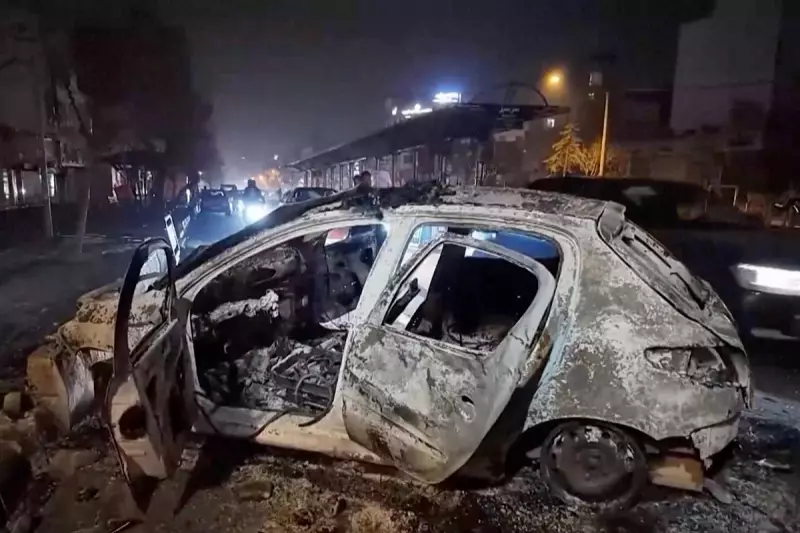
Nationwide protests that have shaken Iran's theocratic regime appear to be facing severe suppression, following a week-long nationwide internet blackout and a significant escalation in state violence.
Violent Crackdown and Soaring Casualty Claims
Activist groups report that at least 2,615 people have been killed during the unrest, which began on 28 December amid anger over the collapsing value of the Iranian rial. However, in a stark escalation of these figures, the exiled Iranian Crown Prince, Reza Pahlavi, has suggested the true death toll could be far higher, potentially exceeding 12,000.
Reports from the capital, Tehran, indicate a noticeable reduction in public protest activity and a fading of gunfire, signalling a potential lull enforced by overwhelming state force. Iranian state media has announced widespread arrests, targeting individuals it labels as 'terrorists'.

Internet Blackout and Starlink Crackdown
A critical tool in the government's suppression efforts has been a sustained, nationwide internet shutdown, severely hampering communication and the flow of information. Authorities have explicitly targeted those attempting to circumvent the blackout.
Justice Minister Amin Hossein Rahimi stated that anyone participating in gatherings since 8 January is considered a 'criminal'. The crackdown has extended to those attempting to use Starlink satellite internet terminals to bypass the state-imposed digital blockade.
Regional Tensions and Airspace Closure
Amid the intense domestic turmoil, Iran briefly shut its national airspace on Thursday 15 January 2026, a move historically associated with periods of military conflict or heightened regional tension. This action coincided with the United States relocating personnel and issuing security warnings to its diplomats stationed in the region, underscoring the international concern over Iran's instability.
The combined tactics of violent street-level repression, a total information blackout, and the threat of criminalisation for dissent have created an environment where the once-vocal protest movement appears, for now, to have been forcibly quieted.