Inuit Leaders Challenge Trump's Greenland Ambitions Amid Arctic Sovereignty Debate
Indigenous Inuit communities in Greenland are raising their voices in firm opposition to former US President Donald Trump's renewed interest in acquiring the vast Arctic territory. This development has sparked a significant debate over sovereignty, environmental protection, and the rights of native populations in the strategically important region.
Historical Context and Renewed Interest
Donald Trump's fascination with Greenland is not a new phenomenon. During his presidency, he publicly floated the idea of purchasing the island from Denmark, a proposal that was swiftly and firmly rejected by both the Danish government and Greenland's local authorities. Now, reports suggest that Trump or his associates have revived this ambition, viewing Greenland as a key geopolitical asset in the Arctic.
The Arctic region has gained immense strategic importance in recent years due to climate change, which is opening up new shipping routes and access to untapped natural resources. This has led to increased international competition, with nations like Russia, China, and the United States vying for influence. Trump's push is seen by analysts as part of a broader effort to secure American dominance in this rapidly changing landscape.

Inuit Perspectives and Sovereignty Concerns
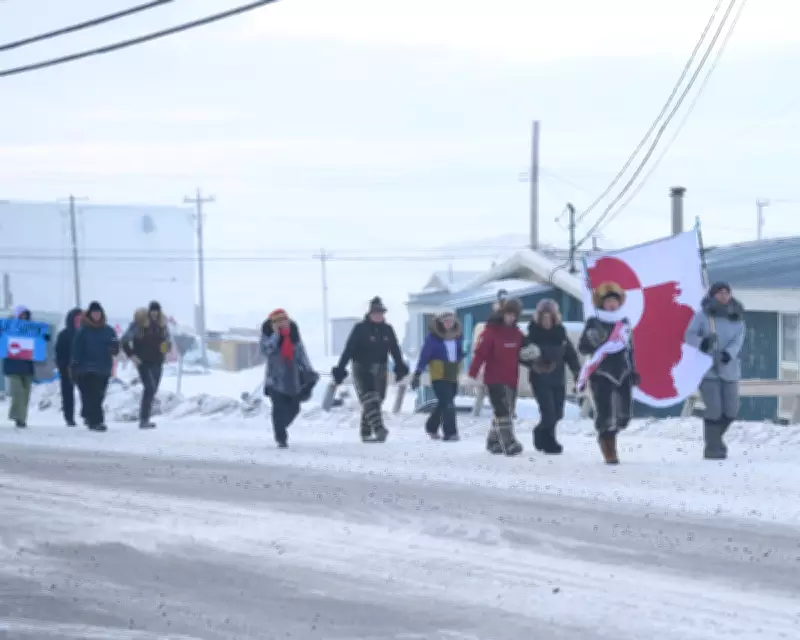
For the Inuit people, who make up the majority of Greenland's population, this renewed interest is deeply troubling. Inuit leaders have emphasised that Greenland is not a commodity to be bought or sold. They assert their inherent right to self-determination and sovereignty over their ancestral lands.
Key concerns raised by Inuit representatives include:
- Cultural and Political Autonomy: Any change in sovereignty could undermine the hard-won self-governing powers that Greenland has achieved within the Kingdom of Denmark.
- Environmental Risks: Increased American involvement might prioritise resource extraction over environmental conservation, threatening the fragile Arctic ecosystem.
- Economic Implications: While some see potential economic benefits, others fear exploitation without fair returns for local communities.
The Inuit have a unique relationship with their environment, relying on traditional practices like hunting and fishing, which are already under pressure from climate change. They argue that their voices must be central to any discussions about Greenland's future.
Geopolitical and Environmental Stakes
The Arctic is warming at more than twice the global average rate, leading to melting ice and new opportunities for navigation and resource exploitation. This has turned the region into a hotspot for geopolitical manoeuvring. The United States, through initiatives like Trump's push, aims to counter the growing influence of rivals such as Russia and China, who have been increasing their Arctic investments and military presence.
However, this geopolitical competition often overlooks the environmental consequences. The Inuit communities are on the front lines of climate change, experiencing its impacts firsthand. They advocate for sustainable development that protects their way of life and the Arctic environment, rather than unchecked exploitation driven by external powers.
Broader Implications and Future Outlook
The situation highlights a broader global issue: the tension between indigenous rights and state-level geopolitical ambitions. As nations scramble for control over strategic territories, the voices of native populations are frequently marginalised. In Greenland, the Inuit are determined to ensure that their perspectives are not ignored.
Looking ahead, the debate over Greenland's future is likely to intensify. With climate change continuing to reshape the Arctic, the stakes are higher than ever. The outcome could set a precedent for how indigenous rights are respected in similar contexts worldwide. For now, Inuit leaders remain steadfast in their opposition, calling for dialogue that prioritises their sovereignty and environmental stewardship over geopolitical gains.