Ghana Leads UN Push for Trillion-Pound Reparations Over Slave Trade
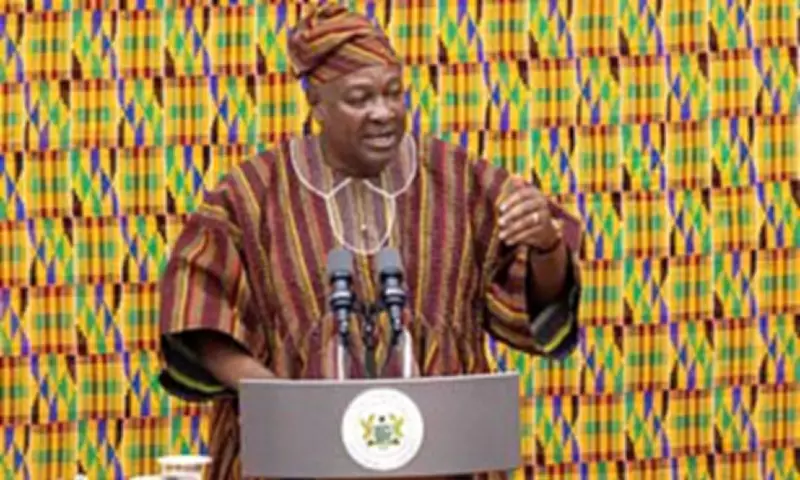
The president of Ghana, John Dramani Mahama, is set to deliver a landmark speech at the United Nations in New York today, demanding reparations for the transatlantic slave trade that could impose costs of trillions of pounds on former colonial powers like Britain. In his address, Mahama will condemn centuries of racist violence, abduction, and forced labour as "a critical matter of historical injustice", marking a significant escalation in long-standing calls for accountability.
UN Resolution Seeks Formal Recognition of Slave Trade as Crime Against Humanity
Tomorrow, on the UN's annual day of remembrance, President Mahama will present a new resolution backed by the African Union and Caribbean states. This resolution aims to formally recognise the transatlantic slave trade as a "grave crime against humanity". Ghana's foreign minister, Samuel Okudzeto Ablakwa, has previously indicated that the resolution will demand reparations, including the return of looted cultural objects, setting the stage for potentially contentious international negotiations.
The move raises the prospect that Britain, which controlled a quarter of Africa at the height of its empire, could face fresh claims over its historical involvement in the slave trade and colonialism. While calls for reparations have gained momentum in recent years, there is also a growing backlash from several European leaders who oppose even discussing the subject. Critics argue that today's states and institutions should not be held responsible for historical wrongs, highlighting a deep divide in global perspectives on justice and accountability.

African Union Backs Unified Vision for Reparatory Justice
African and Caribbean nations have been actively seeking to establish a special UN reparations tribunal, with legal experts noting that previous tribunals have been created through resolutions or by the Security Council. The African Union, comprising 55 member states, last year embarked on creating a "unified vision" on what reparations might entail. This vision includes financial compensation, formal apologies, and policy reforms aimed at addressing historical injustices.
At a summit last month, AU leaders endorsed the proposed resolution titled "Reparatory Justice for the Trafficking of Enslaved Africans and the Racialised Chattel Enslavement of Africans". In a recent article for the Guardian, President Mahama emphasised that his resolution calls for "the formal recognition of one of the greatest moral tragedies in human history". He wrote, "It seeks to move the international community from acknowledgment to action: from recognition of historical injustice to a structured dialogue on repair."
Broadening Scope of Reparations Beyond Financial Compensation
Mahama clarified that the initiative is not about assigning collective guilt to present generations or revisiting history in a spirit of division. Instead, he stated, "It is about understanding how historical injustices have shaped contemporary inequalities, and how a more honest reckoning can contribute to a fairer, more inclusive global order." He envisions a process of engagement involving states, institutions, scholars, and communities to explore constructive approaches to reparatory justice.
These approaches may include investments in education, health, cultural restoration, and economic opportunities designed to close enduring gaps and build shared prosperity. Mahama added, "We must also recognise the human dimension of this history, including how systems of enslavement entrenched inequalities that affected generations, particularly women and families. A full accounting of this past requires us to acknowledge these dimensions and to ensure that any process of repair is inclusive and comprehensive."
Historical Context and Contemporary Challenges
Britain abolished the slave trade in the early 18th century and later played a crucial role in combating the practice worldwide. However, reparations are now being framed more broadly, extending beyond slavery alone. The demands include the return of cultural artefacts, reforms to global economic systems, and compensation for climate change impacts linked to colonial exploitation.

In 2023, a UN judge suggested that the UK could owe more than £18 trillion in reparations, underscoring the immense financial implications of these claims. As the debate intensifies, the international community faces a pivotal moment in addressing historical wrongs while navigating complex legal, moral, and political landscapes. The outcome of Ghana's UN resolution could set a precedent for how nations reconcile with their colonial pasts and work towards a more equitable future.