Gaza's Women: Bearing the Scars of War and Loss in Daily Struggle
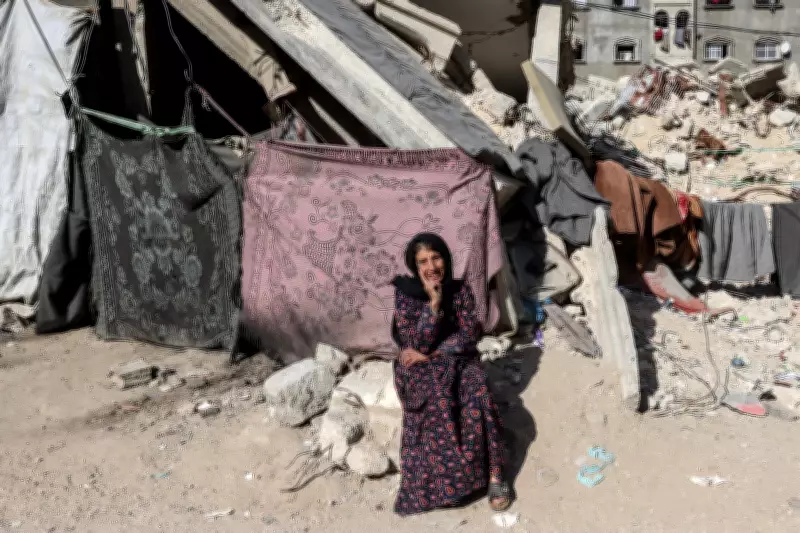
The lives of women in Gaza have been profoundly reshaped by more than two years of conflict, with recent tensions between Israel and Iran exacerbating an already dire humanitarian situation. Since the war began in October 2023, and particularly since February 2026 when Israel and the United States launched joint strikes on Iran, these women face unprecedented challenges as providers, caregivers, and survivors in a landscape of destruction.
A Shattered Social Fabric
According to UN Women, more than 28,000 women and girls have been killed in the conflict, many of them mothers leaving behind devastated families. Nearly one million women and girls have been displaced from their homes, forced to flee in search of safety that remains elusive. The social structure of Gaza has been fundamentally altered, with over 57,000 households now headed by women who have lost husbands and suddenly become sole providers amid extreme poverty and ongoing danger.
Access to healthcare has collapsed completely, leaving hundreds of thousands of women and girls with severely limited medical services. Thousands of pregnant women face childbirth in dangerous conditions without proper facilities or support. When Israel closed all crossings into Gaza following strikes on Iran, humanitarian aid became restricted and insufficient, creating severe food shortages and skyrocketing prices that continue to plague the population.

Personal Stories of Loss and Resilience
Hala's Destroyed Dreams: Married in December 2025 during a ceasefire, Hala and her husband Muhannad believed they could build a peaceful life together. Just two weeks after their wedding, they received evacuation warnings and fled their newly furnished home. When they returned, they found nothing but rubble after four missiles destroyed everything they had built. "The house we built with so much love disappeared in minutes," Hala says, her hopes for safety shattered.
Hanaa's Perilous Pregnancy: Becoming pregnant in 2024 during one of Gaza's hardest periods, Hanaa faced severe food shortages that left her going to bed hungry and suffering from anemia. When she went into labor, she struggled to find transportation to overwhelmed hospitals filled with bombing victims. "They asked me to leave only a few hours after giving birth because there were no beds," she recalls of the chaotic conditions.
Dalia's Solitary Struggle: When Israeli forces stormed Tel al-Sultan in western Rafah, Dalia's husband Mohammad was among dozens of Palestinian men arrested without charge. Suddenly responsible for four young children alone, she moved from place to place before settling in a small tent. "Suddenly, I was responsible for everything. I had to play the role of the woman and the man at the same time," she explains of her terrifying new reality.
Profound Loss and Motherhood Interrupted
Haneen's Tragic Widowhood: After five years of trying to conceive, Haneen discovered she was pregnant in 2025, bringing immense joy to her marriage. Her husband Mohammad chose the name Hassan for their unborn son and bought baby clothes in anticipation. Then tragedy struck when Mohammad was killed by a nearby strike while traveling to work. "Now I am waiting for my child to be born without his father," Haneen says. "My son was orphaned before even coming into the world."
Raghda's Unimaginable Grief: In 2024, Raghda lost two sons and the fiancés of two daughters when a missile struck their home without warning. "No mother should ever have to bury a piece of her heart like this," says the mother of eight, whose dreams of seeing her children married and holding grandchildren disappeared in a single moment.
Elderly Vulnerability and Determined Resilience
Iktemal's Lost Sanctuary: At 67, Iktemal struggles with diabetes, high blood pressure, and asthma while living in a small tent in Al-Mawasi after being forced from her home of 30 years. "My house held all my memories," she says of the place where she raised seven daughters. Now separated from her family, she mourns the warm gatherings that once filled her home with laughter and connection.

Khetam's Educational Pursuit: A divorced mother of two living in a tent, Khetam works as a psychological counselor while pursuing a master's degree online through a scholarship. "This scholarship means hope for me," she says. "It reminds me that our lives don't end because of war." Despite her determination, she fears escalating tensions between Iran and Israel could worsen conditions for her children.
Nour's Business Rebuilding: An English education graduate and mother of twins, Nour saw her cosmetics business Rouh bombed and burned during the conflict. What began as an online venture in 2015 had grown to include a physical store and community center before its destruction. "I will not give up on my dream, even if I have to rebuild everything from zero," she declares, now operating her business online again.
An Uncertain Future
These eight women represent thousands across Gaza facing similar circumstances of loss, displacement, and daily struggle. Their stories reveal not only the profound human cost of prolonged conflict but also the remarkable resilience that persists amid destruction. As tensions between regional powers continue to threaten stability, these women navigate an uncertain future while carrying the weight of shattered families, lost livelihoods, and interrupted dreams.