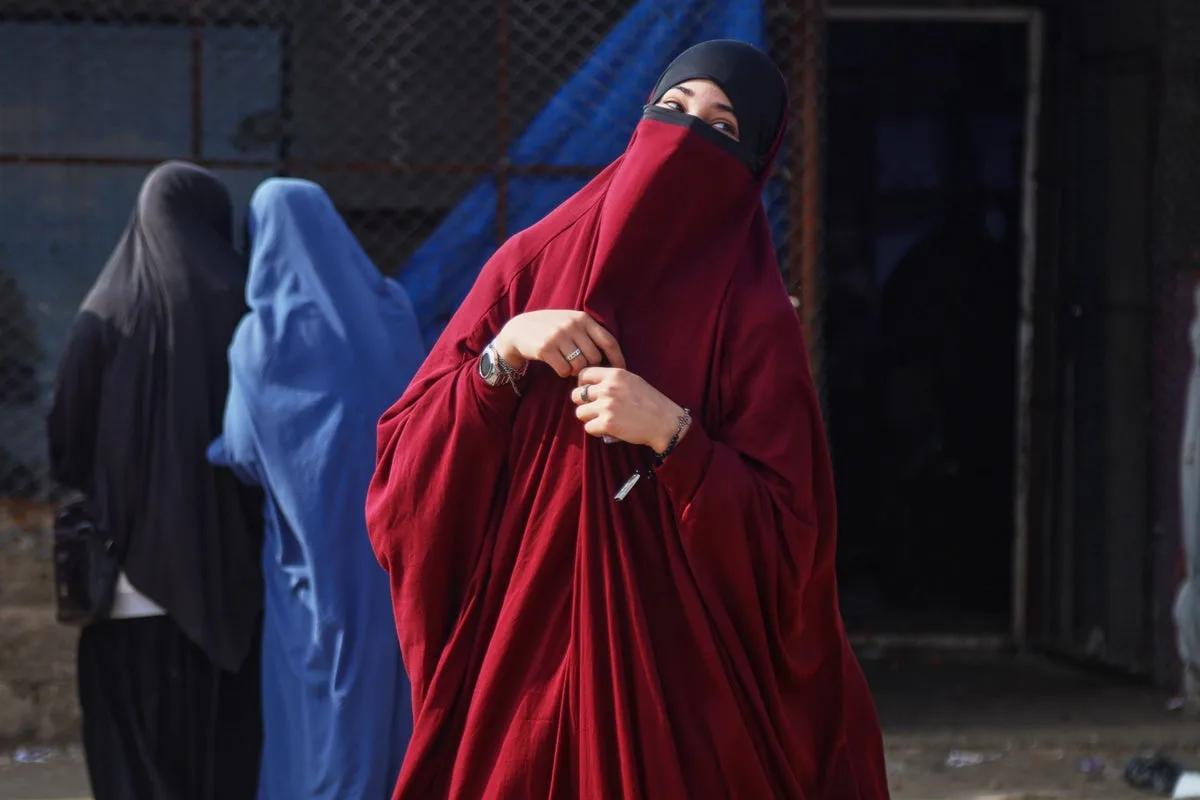
Foreign Women in Syrian IS Camp Seek Amnesty After Government Offensive
Foreign women associated with the Islamic State group, currently held in a Syrian camp, are expressing hope for potential amnesty following a significant government offensive that has weakened the Kurdish-led forces responsible for their detention.
Camp Conditions and Changing Dynamics
The women, speaking to The Associated Press from northeast Syria's Roj camp, revealed their aspirations for freedom as the political landscape shifts. The camp houses over 2,000 individuals, predominantly women and children connected to IS, who have been detained for nearly a decade under the control of the Syrian Democratic Forces.
Recent government military actions have captured substantial territory previously held by Kurdish forces, including the larger al-Hol camp which contains approximately 24,000 detainees. This offensive has fundamentally altered the power balance in the region, creating new uncertainties for camp residents.
Resident Profiles and Legal Challenges
Many women in the camp are either spouses or widows of IS fighters defeated in Syria during March 2019, marking the collapse of the group's self-proclaimed caliphate across Iraq and Syria. Among the most notable residents is Shamima Begum, who left London at age fifteen in 2015 to marry an IS fighter.
Begum recently lost her appeal against the British government's decision to revoke her citizenship, highlighting the complex legal challenges facing foreign nationals in the camps. The camp director, Hakmiyeh Ibrahim, reported noticeable behavioral changes among residents, with increased hostility and renewed hope for IS resurgence following the government offensive.
Political Context and Amnesty Hopes
Since former President Bashar Assad's removal in December 2024, Syria's new military structure incorporates various former insurgent groups with Islamist ideologies. Interim President Ahmad al-Sharaa, previously linked to al-Qaida, now participates in the global coalition against IS despite historical rivalries between the groups.
Camp residents point to al-Sharaa's removal from international terrorist lists as precedent for potential amnesty. A Tunisian woman identifying as Buthaina argued that if former militants can achieve political legitimacy, ordinary camp residents deserve similar consideration.
International Response and Repatriation Challenges
The Roj camp population includes 742 families from nearly fifty countries beyond Syria and Iraq, with significant representation from former Soviet states. Unlike al-Hol camp where most residents are Syrians and Iraqis facing easier repatriation, foreign nationals encounter substantial barriers to returning home.
Human rights organizations have consistently criticized camp conditions, citing poor living standards and widespread violence. While the U.S. military has transferred male IS detainees to Iraqi facilities, no clear strategy exists for repatriating women and children from Roj camp.
Divergent Resident Perspectives
Women interviewed expressed varying preferences regarding their futures. Some desire return to their home countries, while others, like a German woman identifying as Aysha, prefer remaining in Syria for religious reasons. A Belgian woman named Cassandra seeks camp departure but wishes to stay within Kurdish-controlled Syrian territory.
Cassandra reported receiving threats from fellow residents during recent conflicts due to her positive relations with Kurdish guards, illustrating the complex social dynamics within the camp.
Uncertain Future for Detention Facilities
The government offensive created chaos across multiple detention centers holding approximately 9,000 IS members. Initial ceasefire agreements between Damascus and Kurdish forces included provisions for transferring camp management to Syrian government control.
Buthaina described nine years of detention during which her children grew up without proper education or typical childhood experiences. She emphasized that while those accused of crimes should face trial, others deserve freedom after what she described as punishment disproportionate to their actions.
The situation remains fluid as international organizations continue advocating for resolution of what they describe as a political decision rather than unavoidable conflict consequence.