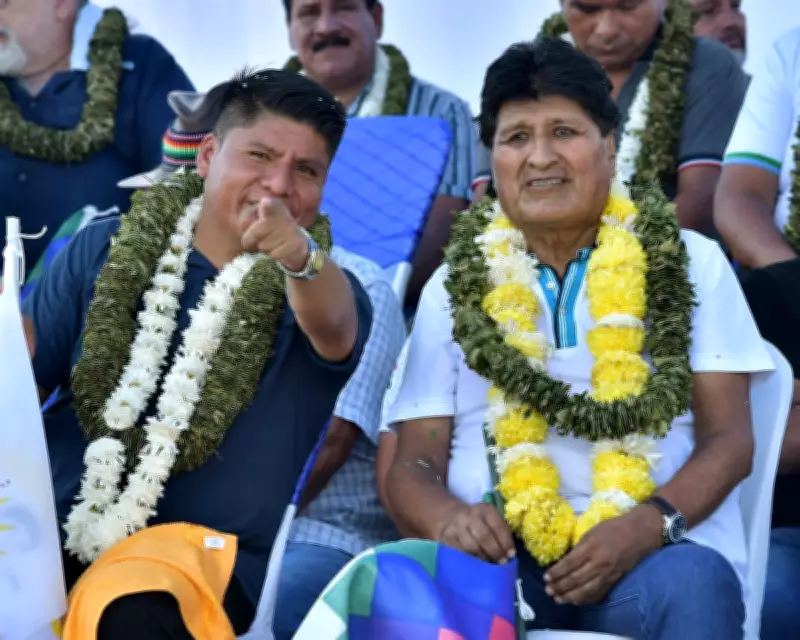
Former Bolivian President Evo Morales has made his first public appearance since the political crisis that rocked the nation in 2025, marking a significant moment in the country's ongoing political landscape. The event, held in a packed venue in La Paz, drew thousands of supporters who gathered to hear Morales speak after months of relative seclusion.
Morales Addresses Supporters in La Paz
During his speech, Morales addressed a range of issues, including the current state of Bolivian politics and his vision for the future. He emphasized the importance of social justice and indigenous rights, themes that have long been central to his political career. Observers noted that his appearance was carefully orchestrated, with tight security and a focus on rallying his base amid ongoing tensions.
Background of the 2025 Political Crisis
The 2025 political crisis in Bolivia stemmed from allegations of electoral fraud and widespread protests, leading to Morales's withdrawal from public life. This period saw significant unrest, with clashes between supporters and opponents, and international scrutiny over the stability of Bolivia's democratic institutions. Morales's absence since then had fueled speculation about his political future and the direction of the movement he leads.

Reactions and Implications
Political analysts suggest that Morales's return could signal a renewed push for influence ahead of upcoming elections or policy debates. Supporters hailed the event as a triumphant comeback, while critics warned it might reignite divisions. The speech did not announce any specific political plans, but its timing and content are seen as pivotal for Bolivia's political dynamics.
This public appearance adds a new chapter to Morales's storied career, which includes serving as Bolivia's first indigenous president from 2006 to 2019. As Bolivia navigates post-crisis recovery, his re-emergence is likely to shape discussions on governance, democracy, and social equity in the region.