Cuba's Deepening Crisis: A Reporter's Return After Three Years
Caribbean correspondent Dánica Coto has returned to Cuba in late January, marking her first visit to the island in over three years. The landscape and daily lives in Cuba have transformed dramatically during this period, with further changes anticipated as the full impact of recent geopolitical events continues to unfold.
Observations of Decay and Scarcity
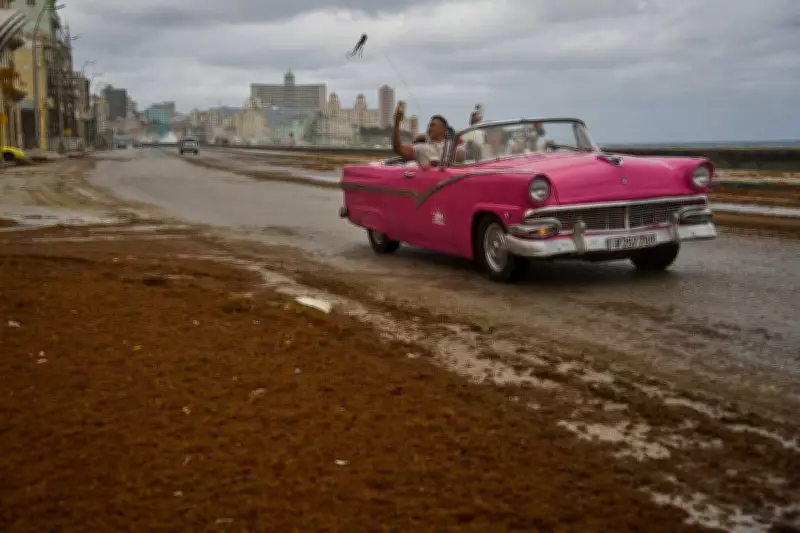
Upon her arrival, Coto was immediately struck by the visible signs of deterioration across Havana and other areas. Mountains of garbage have accumulated at popular tourist spots, with neatly dressed Cubans occasionally seen rummaging through the piles for usable items. In one instance, she observed a clean-cut man stepping into soggy rubbish to retrieve a small plastic container, carefully fishing for its lid before walking away with his find.
The infrastructure crisis extends far beyond waste management. Fuel has become exceptionally difficult to obtain, with essential equipment like tractors and garbage trucks breaking down due to an inability to source spare parts. Havana's once-vibrant architecture, featuring baroque and art nouveau facades, is crumbling at an accelerated rate, with some buildings slowly being reduced to rubble.

Daily Struggles and Small Surprises
Nighttime reveals a capital frequently plunged into darkness, with chronic power outages—both programmed and unexpected—creating a largely black skyline. Basic amenities have become luxuries; office buildings often lack toilet paper, and water supplies are frequently cut by mid-afternoon.
Resource conservation has reached extreme levels, with even upscale hotels cutting flimsy napkins in half and offering minuscule dabs of butter when available. A growing number of Cubans have returned to using firewood and charcoal for cooking, as natural gas availability is unreliable and solar panels remain unaffordable for many. Some city residents have resorted to makeshift outdoor fireplaces for food preparation.
Amidst these hardships, Coto noted small moments of normalcy, including dog owners waking early to walk their well-cared-for pets, with smaller dogs sporting T-shirts against the January cold snap.
Economic Pressures and Geopolitical Fallout
The economic situation has deteriorated significantly since Coto's last visit. Cubans report spending hours in line to purchase gasoline and crowding outside banks amid cash shortages. Communication disruptions have increased, making phone calls and internet browsing more challenging.
These difficulties have intensified following the U.S. attack on Venezuela, Cuba's strongest ally. Even before this event, Cuba was grappling with severe blackouts, soaring prices, and scarcity of basic goods. Experts warn that disruptions in oil shipments from Venezuela and Mexico could trigger a potentially catastrophic crisis, especially after President Donald Trump signed an executive order imposing tariffs on countries selling oil to Cuba.
Cuban Resilience and Political Stalemate
Despite these mounting pressures, many Cubans display remarkable resilience, drawing strength from having survived the Special Period economic depression of the 1990s. While experts suggest the Trump administration aims to spark popular uprising, Cubans interviewed by Coto express determination not to be manipulated by outside forces.
Some are taking practical precautions: those who can afford it are installing solar panels, while others are growing their own produce. The Cuban government maintains its defiant stance, with citizens continuing to decry the U.S. embargo while finding ways to subsist. The revolutionary slogan "Patria o muerte, venceremos!" (Homeland or death, we will overcome!) still resonates throughout the island.
Uncertain Future Amid Escalating Rhetoric
The path forward remains unclear as political tensions escalate. The U.S. government has intensified its rhetoric, with Trump declaring Cuba a failure and Deputy Secretary of State Christopher Landau claiming the "Castro regime is tottering." Secretary of State Marco Rubio, son of Cuban immigrants, has stated the U.S. seeks "a change in dynamic" for what he describes as a backward country with no functional economy.

Adding to the pressure, the Trump administration has redesignated Cuba as a state sponsor of terrorism. As both governments maintain their positions without budging, ordinary Cubans continue navigating their daily lives amidst growing uncertainty about what the future may hold for their island nation.