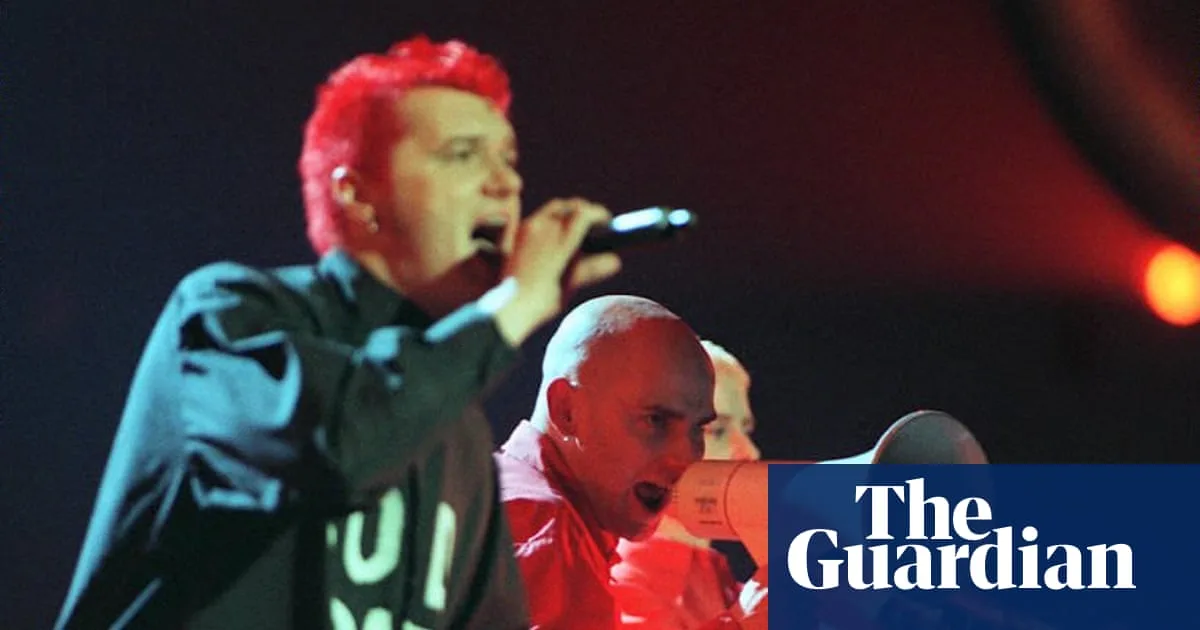
The British anarchist pop band Chumbawamba has found itself at the centre of an unexpected political controversy in Spain. Their 1997 hit single 'Tubthumping', famous for its defiant chorus "I get knocked down, but I get up again," is being used by the far-right Vox party at political rallies and events. This appropriation has ignited a fierce debate, given the band's long-standing left-wing and anti-fascist principles.
An Ironic Twist for an Anti-Establishment Anthem
Chumbawamba, formed in 1982 in Burnley, England, was known throughout its career for its radical political activism, advocating for anarchist, socialist, and anti-racist causes. The band famously disbanded in 2012, leaving behind a legacy of music that challenged authority and promoted social justice. 'Tubthumping', while a global commercial success, was rooted in this ethos, often interpreted as an anthem of resilience for the working class and marginalised groups.
Vox's Strategic Use of the Song
Vox, which has become the third-largest party in the Spanish parliament, is known for its nationalist, anti-immigration, and socially conservative platform. The party's use of 'Tubthumping' appears to be a strategic move to project an image of strength and perseverance. By adopting the song's catchy, uplifting melody, Vox aims to energise its base and frame its political struggle as one of overcoming adversity.
However, this co-option has been met with widespread criticism. Political analysts and cultural commentators argue that it represents a profound irony, as the song's original message is diametrically opposed to Vox's ideology. The band's lyrics, which celebrate collective resistance, are being repurposed to support a party with policies often criticised as divisive and exclusionary.
Backlash and Broader Implications
The incident has sparked a broader discussion about the political use of music and cultural appropriation. It raises questions about how artistic works can be stripped of their original context and meaning when adopted by groups with opposing values. This is not an isolated case; historically, various political movements have repurposed songs to suit their narratives, often leading to public disputes with the original artists.
Chumbawamba's Legacy and Current Reactions
Although Chumbawamba is no longer active, former members and fans have expressed dismay and anger over Vox's use of 'Tubthumping'. On social media and in interviews, there have been calls for the party to cease using the song, highlighting the disconnect between its message and Vox's policies. The band's history of supporting causes like anti-fascism and workers' rights makes this appropriation particularly contentious.
This controversy also touches on issues of copyright and artistic control. While it may be legal for political entities to use recorded music at events under certain licenses, the ethical implications are significant. Artists often have little recourse to prevent such uses, leading to situations where their work is associated with ideologies they oppose.
Looking Ahead: Music and Politics in the Digital Age
As political campaigns increasingly rely on digital media and popular culture to connect with voters, incidents like this are likely to become more common. The case of Chumbawamba and Vox serves as a cautionary tale about the power of music in shaping political identities and the potential for misinterpretation. It underscores the need for greater awareness of the cultural and historical contexts of artistic works.
In conclusion, the use of 'Tubthumping' by Spain's Vox party highlights the complex interplay between music, politics, and ideology. While the song continues to be a global symbol of resilience, its adoption by a far-right group has sparked a necessary conversation about authenticity, appropriation, and the enduring impact of artistic expression in the political sphere.