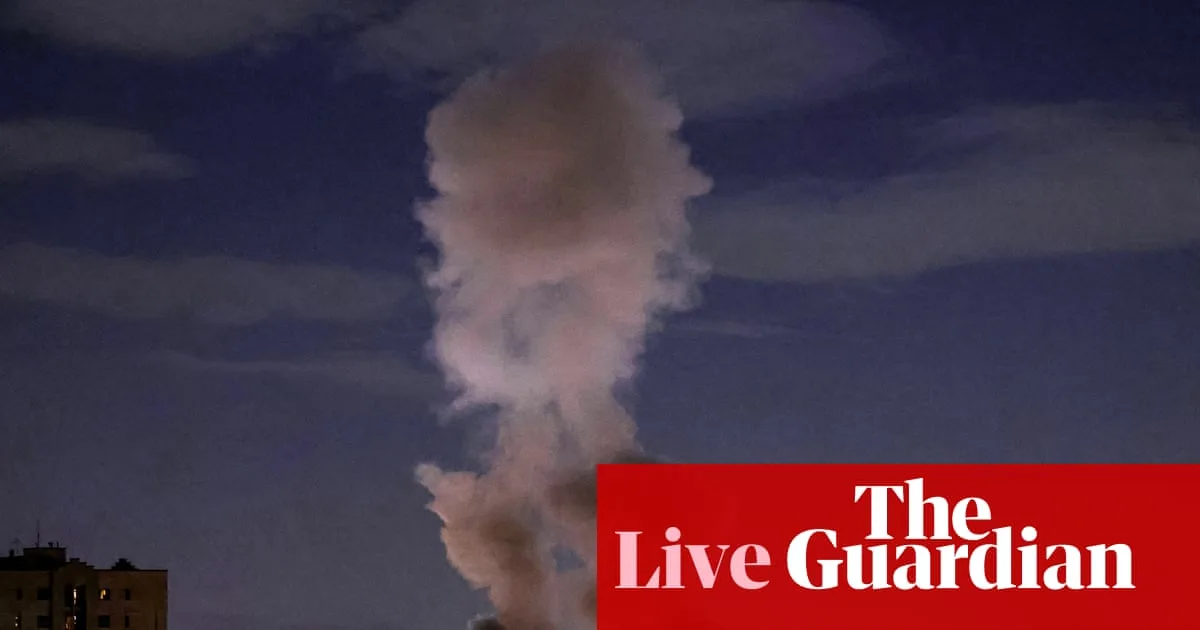
The Israeli military confirmed early Monday it was striking Hezbollah targets across Lebanon after the militant group launched missiles and drones towards Israel in retaliation for the killing of Ayatollah Ali Khamenei. The projectiles were the first since the start of US and Israeli strikes on Iran. Hezbollah, a key Tehran ally, said the attack was in response to Israel killing Khamenei and ongoing Israeli violations against Lebanon. Explosions were heard in Beirut's southern suburbs, a Hezbollah stronghold, according to witnesses and Lebanese security sources.
Iran's supreme leader Ali Khamenei was killed on Saturday after the US and Israel launched a war on Iran. Donald Trump announced the death in a Truth Social post. Former president Mahmoud Ahmadinejad was also killed. Trump warned on Sunday that combat operations would continue "until all of our objectives are achieved," and urged the Revolutionary Guard to lay down arms or face "certain death." He told Fox News that 48 leaders had been killed in the strikes.
A suspected drone strike hit RAF Akrotiri in Cyprus, the Ministry of Defence confirmed, with no casualties. The incident came after Keir Starmer said the UK allowed the US to strike Iranian missile sites from British bases. Oil prices soared, with Brent crude jumping 13% to $82 per barrel, a 14-month high, as the closure of the Strait of Hormuz intensified supply concerns.
Three US service members have been killed in action, the first confirmed deaths since strikes began. Trump warned there could be more casualties. The death toll from a missile strike on a girls' school in Minab, southern Iran, rose to nearly 150, according to Iranian state media. The school strike appears to be the worst mass casualty event of the bombing campaign so far.
Trump said Iran's new leadership wanted to talk and he agreed, according to an interview with the Atlantic. However, a Reuters/Ipsos poll found only 27% of Americans approve of the strikes that killed Khamenei, and about half believe Trump is too willing to use military force. The war caused major disruption to airlines, with countries closing airspace and airports affected across the region.