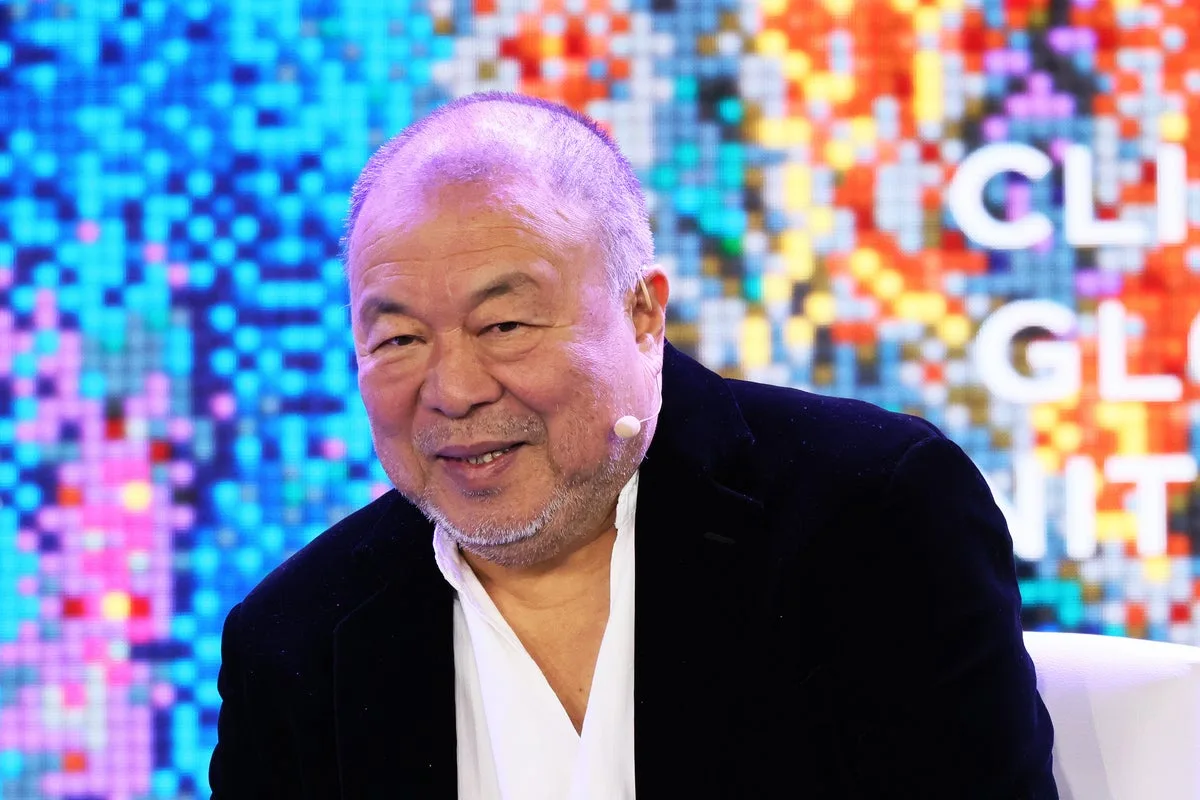
Chinese dissident artist Ai Weiwei has returned to China for the first time in a decade, describing the experience as like a “phone call that had been disconnected for 10 years suddenly reconnecting”. The three-week visit in December was his first since 2015, when authorities returned his passport after it had been confiscated in 2011 amid tax evasion charges that also led to his 81-day detention.
During his stay, Ai travelled with his teenage son and reunited with his 93-year-old mother in Beijing, sharing personal moments on social media. He told CNN that while he was “inspected and interrogated” for nearly two hours at Beijing airport, the rest of the trip was “smooth and, one could say, pleasant”. He added that he did not believe the authorities’ attitude had shifted, but rather they recognised his sincerity.
Ai’s conflict with Chinese authorities began after the 2008 Sichuan earthquake, when he published the names of over 5,000 children who died in school collapses, accusing officials of corruption. He later moved to Berlin and continued his activism from exile, producing works such as the documentary Coronation on China’s Covid-19 response and Cockroach on the 2019 Hong Kong protests.
Speaking about his return, Ai said what he missed most was speaking Chinese, noting that for immigrants, the greatest loss is “the loss of linguistic exchange”. He had previously stated in 2023 that he would only return if his personal freedom and ability to express himself were guaranteed.