Africa's Demographic Revolution: A Pivotal Decade for Leadership
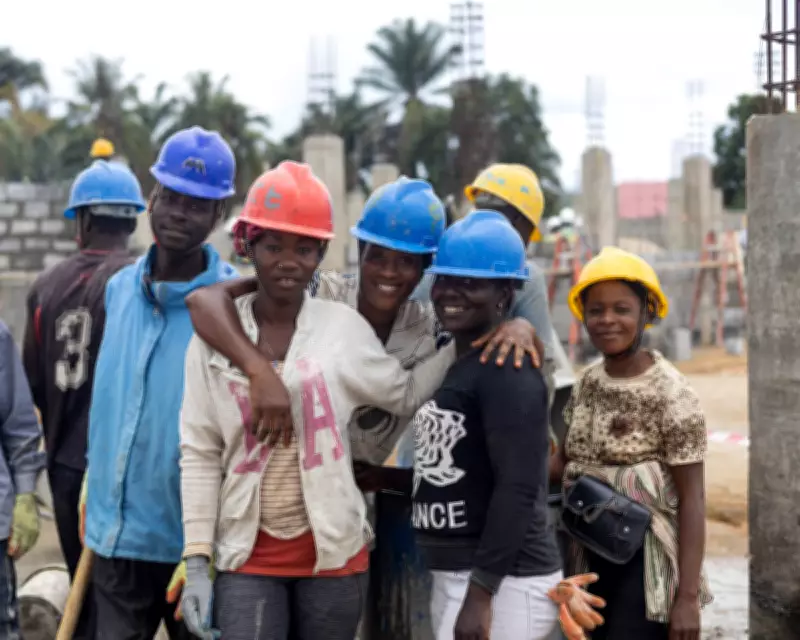
Across the continent, from the construction sites of Sierra Leone's Maternal Centre of Excellence in Kono to the bustling cities of Namibia, a profound demographic shift is underway. For the first time in history, more than 70% of Africans are under the age of 30. This youthful majority, combined with persistent challenges of inequality, poverty, and unemployment, is fundamentally reshaping societal dynamics and international relations.
The Consequential Decade Ahead
This period represents Africa's most consequential decade, where leaders assuming office will face unprecedented mandates within a transformed political, economic, and social landscape. As Namibian President Netumbo Nandi-Ndaitwah has declared, this era demands "business unusual" – a departure from traditional approaches to governance and development.
Those who take leadership roles in the coming years will be compelled to make decisions with century-long implications for socioeconomic norms. The leadership of this decade matters profoundly because it will determine whether Africa's demographic advantage becomes a catalyst for growth or a source of instability.

Population Projections and Practical Implications
By 2050, Africa's population will approach 2.5 billion people, representing more than 25% of the global population. By the century's end, half of the world's children will be African. This demographic reality translates into exponential demand across multiple sectors:
- Healthcare systems, particularly sexual and reproductive health services
- Education infrastructure and curriculum development
- Quality employment opportunities
- Basic services and physical infrastructure
Without deliberate investment in leadership, institutions, and systems, this demographic edge could transform into a destabilising liability rather than an economic advantage.
The Youthful Energy Already Transforming Africa
This is not merely a story of challenges and deficits. Across the continent, young people are demonstrating remarkable innovation and ambition. They are:
- Building enterprises that address local and global markets
- Reimagining governance models and civic engagement
- Demanding institutions and policies that match their aspirations
The leadership challenge is to harness this energy by creating dignified, future-ready work, aligning education with emerging industries, and ensuring health systems that empower individuals while strengthening societies.
Institutional Challenges and Transformational Leadership
Many African institutions bear the weight of structural carry-overs from previous eras, including incomplete reforms, weak execution mechanisms, and accountability gaps. Fiscal pressures and high debt-servicing costs have further narrowed the room for policy innovation, while international frameworks often fail to treat Africa as an equal partner.
The systemic transformation required demands a leadership approach that prioritises:
- Inclusion across generations and communities
- Service-oriented governance
- Long-term sustainability over short-term gains
Initiatives like Leadership Lab Yetu, a pan-African platform convening leaders across generations, exemplify the collaborative, evidence-based approach needed. The Swahili word "Yetu" meaning "ours" reflects the fundamental truth that leadership belongs to all citizens, not just a select few.
The Stakes and Opportunities Ahead
The stakes could not be higher. Africa stands at a pivotal moment where leadership transformation represents both an urgent necessity and a remarkable opportunity. Investing in youth leadership today means building structures and support systems that enable credible, confident leadership capable of delivering meaningful results at scale.
Decisions made in this coming decade regarding health, education, employment, and infrastructure will echo through the continent's socioeconomic fabric for the next century. Success would establish a culture of intergenerational learning and leadership pipelines strong enough to reshape Africa's role in:

- Global trade networks
- Digital technology development
- Sustainable development initiatives
The countries that make strategic, intentional investments in their youth today will be those defining global innovation and competitiveness in the coming era. A youthful population without opportunities cannot remain quiet indefinitely, but when states credibly expand those opportunities, a youth-majority population becomes a formidable national advantage.