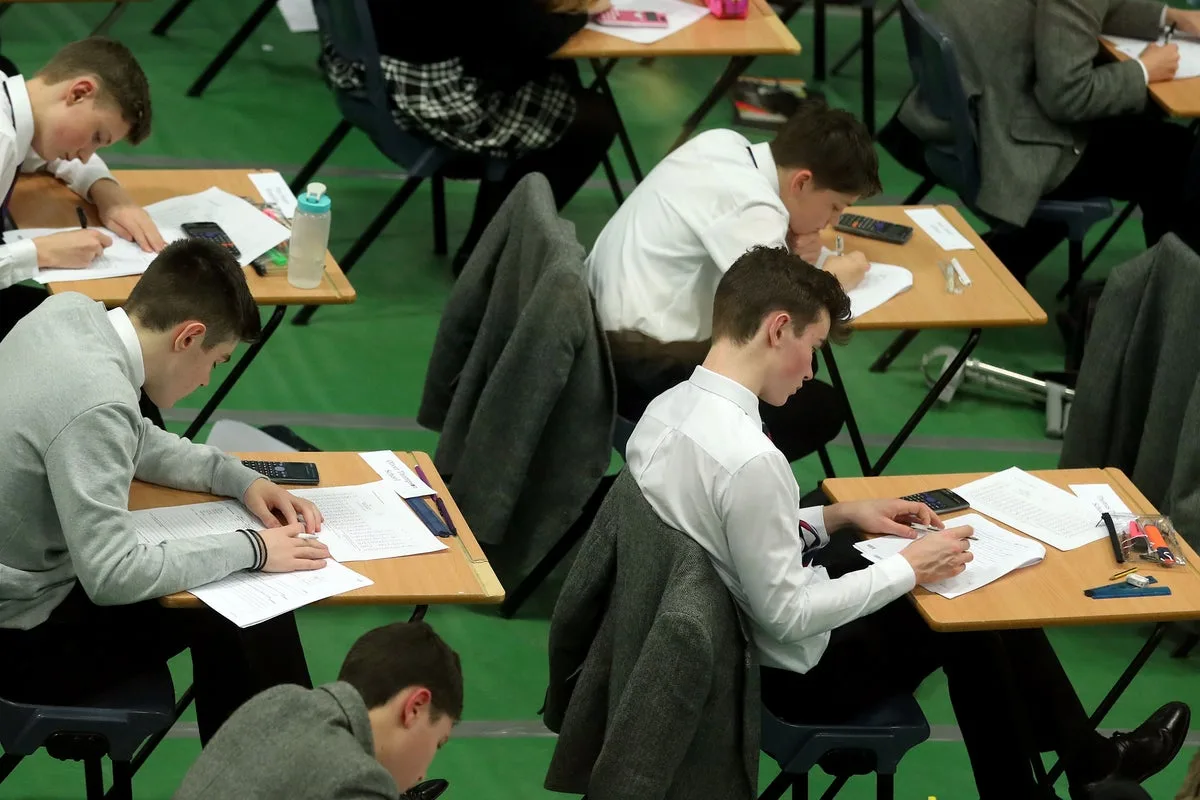
Exam board Cambridge OCR has been fined £270,000 by regulator Ofqual after significant errors in its 2025 physics A-level and AS-level papers and mark schemes led to some students receiving incorrect grades.
Ofqual identified 12 mistakes in the papers and mark schemes. Crucially, two errors discovered only after results day meant 37 students – 33 at AS-level and four at A-level – saw their final grades increase by one. The remaining errors were identified and rectified either before tests, with correction notices sent to schools, or prior to results, ensuring candidates received full marks for affected questions.
Institute of Physics chief executive Tom Grinyer said it is important these issues are not repeated to avoid jeopardising growing demand for physics among students. Amanda Swann, Ofqual’s executive director for delivery, said: “Students deserve quality exam assessment materials. After years of hard study, these unacceptable failures caused anxiety for students during their exams.”
Ofqual stated Cambridge OCR failed to ensure paper content was fit for purpose and failed to have clear arrangements for schools to request adjustments to marks because of errors. A Cambridge OCR spokesperson said: “We accept this judgment and we are very sorry to the students and teachers who were affected. We did not meet the high standards that students and teachers deserve. We undertook a detailed root cause analysis and are determined to learn from this.”
The fine comes as Ofqual proposes moving some GCSE and A-level exams onto screens by 2030, potentially replacing traditional pen and paper for smaller-entry subjects and most A-levels excluding maths.