China, the first country to classify internet addiction as a clinical disorder, has seen a surge in boot camp-style treatment centres for screen-obsessed teenagers. Parents, desperate to wean their children off what some call 'electronic heroin', are turning to these facilities, which employ a range of methods from marching to electroconvulsive therapy.
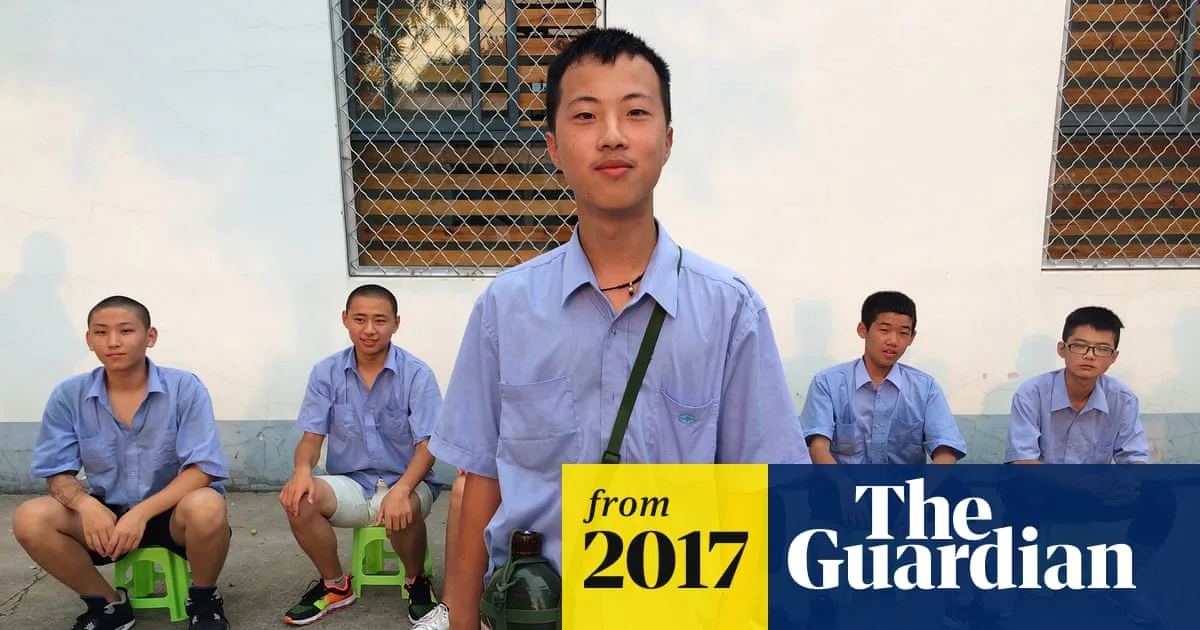
One such centre, the Xu Xiangyang education and training centre in Huai'an, is run by a former People's Liberation Army soldier. Xu Xiangyang, known as the 'evil godfather', rejects electric shocks as inhumane, instead using culture and discipline. His programme includes ballet, music, and stand-up comedy, but the core remedy is marching—pupils undertake 300km treks through the countryside to disconnect from the internet.
Xiong Chengzuo, 16, was tricked into attending the centre by his parents. He initially resisted, shouting and yelling, but now admits the forced march helped him reflect on his online habits. 'They had no choice but to send me here,' he says. His feet are covered in blisters, but he acknowledges the journey forced him offline.
China's internet user base has exploded to about 710 million, with an estimated 23 million addicts. The problem is acute, with reports of teenagers suffering strokes after marathon gaming sessions. Some boot camps have gained notoriety for using electroconvulsive therapy despite a government ban, describing it as 'unbearable' for patients.
Xu Xiangyang's centre costs 36,000 yuan (£4,200) a year and aims to lure addicts back to the real world. He believes online games 'completely ruin a person's health' and leave individuals unable to earn money or support themselves. His wife, Li Yan, attributes the addiction to the solitude endured by digital natives, who feel emptiness and turn to internet cafes.