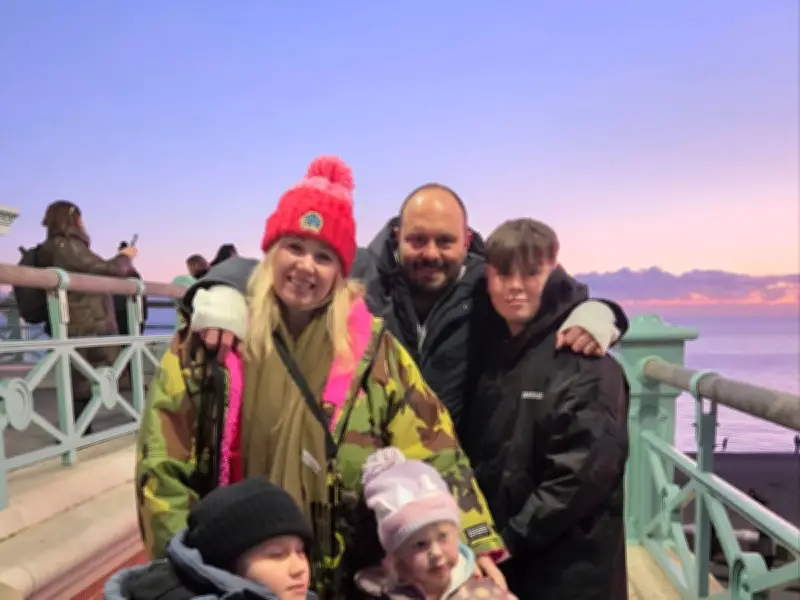
Stephanie, a 46-year-old mother from Reigate, has been caring for her son Gabe since birth, sacrificing her career and facing recurring burnout as the cost of living rises. She is among millions of UK adults providing unpaid care.
A Son's Growing Needs
When Gabe was a toddler, his parents realized he required more support than his siblings. Diagnosed with cerebral palsy, autism, and a learning disability, his needs escalated. Stephanie estimates she provides around 70 hours of unpaid care weekly, using up annual leave and other allowances before leaving her job entirely.
Financial Sacrifices
Stephanie stated: "I went part-time initially after Gabe was born, but things became too difficult. Eventually, I had to give up my job completely. The biggest financial sacrifice has been my career. Caring means I'm not bringing in any income, and my retirement will look very different financially."
Beyond Finances: Exhaustion and Worry
Stephanie fears the future: "I live with the awful thought of what happens when we can no longer care for him." Now 10, Gabe attends school part-time, allowing Stephanie a few work hours, but she faces emotional, physical, and mental burnout. She shared: "The exhaustion is on another level. It's hard to find time for yourself. His siblings need me too, and my husband and I have no time together. We're sleep-deprived and weighed down by admin."
Rising Costs
Reduced income and Gabe's medical needs—higher utilities, specialist equipment, travel—strain the family. Stephanie receives Carers' Allowance and Gabe gets DLA for a Motability car, but it's insufficient. She said: "We're struggling financially and emotionally. We've used credit cards and taken out a loan."
A Call for Change
Georgia Colman, founder of Purpl, noted: "Caring responsibilities develop gradually. Many don't access support because they don't recognize their role. The financial impact is hidden but real." Stephanie added: "How we view care needs to change. It's a massive task but also a privilege. Unpaid carers are picking up the slack, but we're reaching a crisis point. Despite everything, I consider it a privilege to care for my son. He brings so much joy."