More Women Join Arkansas Abortion Ban Challenge Amid Life-Threatening Ordeals
Women Join Arkansas Abortion Ban Challenge After Medical Ordeals

More Women Join Legal Challenge to Arkansas Abortion Ban After Medical Emergencies

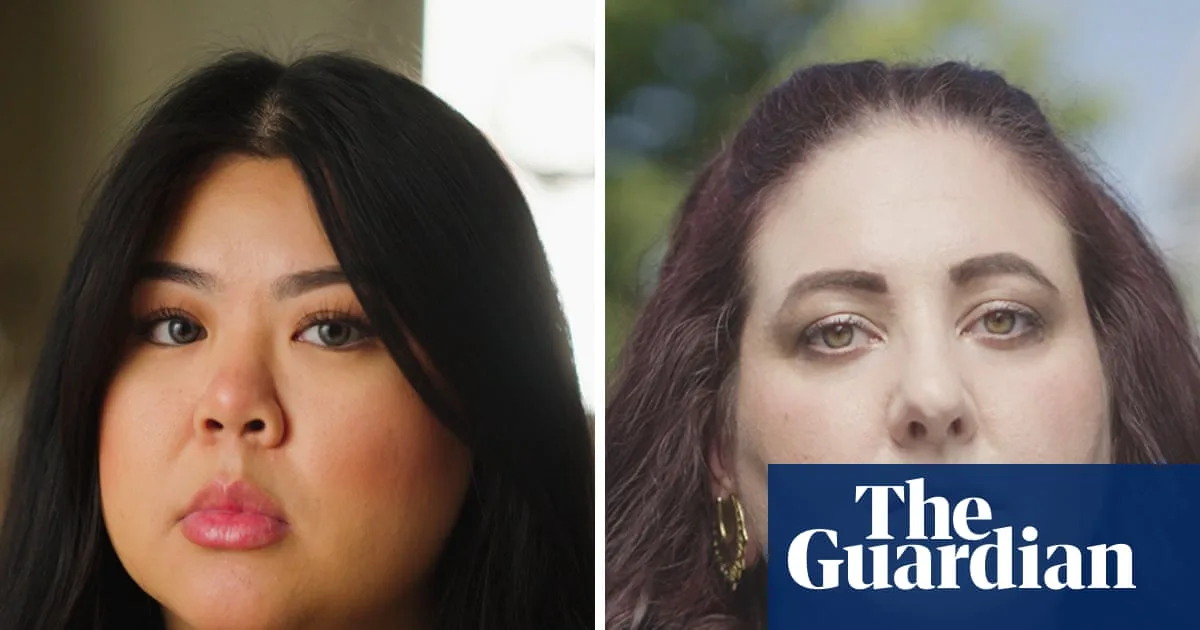
Two additional women have joined an ongoing lawsuit seeking to overturn Arkansas's near-total abortion ban, sharing harrowing stories of being denied medical care during pregnancy emergencies. The case argues that the state's restrictive law violates constitutional guarantees to life, liberty, equality, and the pursuit of happiness.

"Am I Going to Die?": A Mother's Terrifying Journey

Leitaea Lowrimore, a 28-year-old mother and former nursing assistant, experienced classic symptoms of a dangerous ectopic pregnancy in February: vaginal bleeding, sharp pain, low hormone levels, and no visible embryo on ultrasound. Despite these clear warning signs, an Arkansas emergency room doctor initially wanted to discharge her. Ectopic pregnancies, where an embryo implants outside the uterine lining, are never viable and pose serious life-threatening risks.

Lowrimore and her husband refused discharge because they lived 45 minutes away in rural Oklahoma. The doctor agreed to admit her for monitoring but eventually stated that while her pregnancy was probably ectopic, treating her could result in ten years of imprisonment under Arkansas law. This was just the beginning of her ordeal.

Wide Pickt banner — collaborative shopping lists app for Telegram, phone mockup with grocery list

Over the course of a week, three different emergency rooms across Arkansas and Oklahoma—both states with strict abortion bans—either denied her screenings or discharged her without proper treatment. Feeling defeated and exhausted, Lowrimore believed no one would help her. At her husband's urging, they embarked on a three-hour drive north to Wichita, Kansas, with their one-year-old daughter and mother-in-law.

During the journey, her legs began to go numb. She turned to her husband and asked, "Am I going to die? Am I going to make it home?" At a Kansas hospital, she finally received two injections of methotrexate, the standard treatment for ectopic pregnancies. Looking back nearly two months later, she recognizes that death was a genuine possibility and remains terrified of becoming pregnant again.

Another Plaintiff's Struggle for Autonomy

The other new plaintiff, Kishaya Holloway, a 31-year-old artist from northwest Arkansas, did not want to have children and traveled out of state for an abortion. She called multiple clinics across several states before securing an appointment in Kansas. Despite receiving financial assistance from the clinic and various abortion funds—including help covering gas costs—she and her partner could only afford a single-day trip, leaving before dawn and returning the same evening.

"My autonomy was threatened. It felt like I was being forced to live in a way that I didn't want to live," Holloway said. She joined the lawsuit to protect others in Arkansas, including her younger sister.

Expanding Legal Battle Against Abortion Restrictions

The lawsuit, filed by Amplify Legal—the litigation arm of the reproductive rights group Abortion in America—now includes an OB-GYN and six women denied abortions in Arkansas. The original plaintiffs include three women whose pregnancies had effectively ended and one who became pregnant from sexual assault, which the ban does not permit as an exception. Two traveled to Illinois for abortions, one required ambulance transport to a Kansas hospital for labor induction, and another was forced to continue her pregnancy, resulting in a stillbirth.

Lowrimore and Holloway were denied abortions just days after the initial lawsuit was filed. Their addition highlights the ongoing crisis faced by women under state bans that proliferated after the Supreme Court overturned Roe v. Wade. Similar lawsuits have emerged in Texas, Tennessee, and Idaho, where lawmakers claim their bans include emergency exceptions, but doctors and patients report these are unworkable in practice.

Molly Duane, litigation director of Amplify Legal, noted that conservative-led states have shown little interest in compromise since the Dobbs v. Jackson Women's Health Organization decision. "There was a part of me at the beginning that thought: 'Surely there are some [health] conditions we could all agree on,'" Duane said. "Frankly, they don't care if their citizens suffer or even die."

Pickt after-article banner — collaborative shopping lists app with family illustration

Novel Legal Strategy Using State Constitutions

The organization is pursuing a novel strategy by invoking state constitutional language on liberty to challenge abortion bans entirely. While the promise of life, liberty, and the pursuit of happiness appears in the U.S. Declaration of Independence but not the federal Constitution, it is codified in multiple state constitutions, including Arkansas, Kansas, and Oklahoma.

This approach allows a broader range of plaintiffs to sue the state. Duane described this as the first post-Dobbs lawsuit that brings together plaintiffs illustrating various harms caused by abortion bans: women facing obstetrical emergencies, fatal fetal conditions, ectopic pregnancies, sexual assault, and unwanted pregnancies. "It shows through very visceral and real individual stories of real people who have been harmed by these bans," she emphasized.

Lowrimore expressed her motivation for joining the suit: to help other women. Her story can "voice what's truly going on behind closed doors and how the laws are affecting pregnant women."

Broader Implications and Federal Complaints

The Kansas Supreme Court's 2019 ruling that the state constitution's liberty language protects abortion rights has kept the procedure legal there, enabling three of Duane's clients to receive care. Duane declined to comment on potential future litigation challenging Oklahoma's ban on similar grounds.

Additionally, Amplify Legal filed a complaint with the Centers for Medicare and Medicaid Services (CMS) on behalf of Lowrimore, arguing that three hospitals violated the Emergency Medical Treatment and Labor Act (EMTALA) by failing to treat her ectopic pregnancy. This federal law requires hospitals to stabilize patients in medical emergencies, though the Trump administration has rejected interpretations mandating emergency abortions to protect health.

While it's unclear whether CMS will side with her clients, Duane stressed the importance of holding health systems accountable. "The hospitals that turned Leitaea away need to take a hard look at their policies," she said. "No one's hands are clean. Everyone who has the ability to protect patients needs to be doing absolutely everything that they can to do so, even when they feel their hands are tied behind their back."