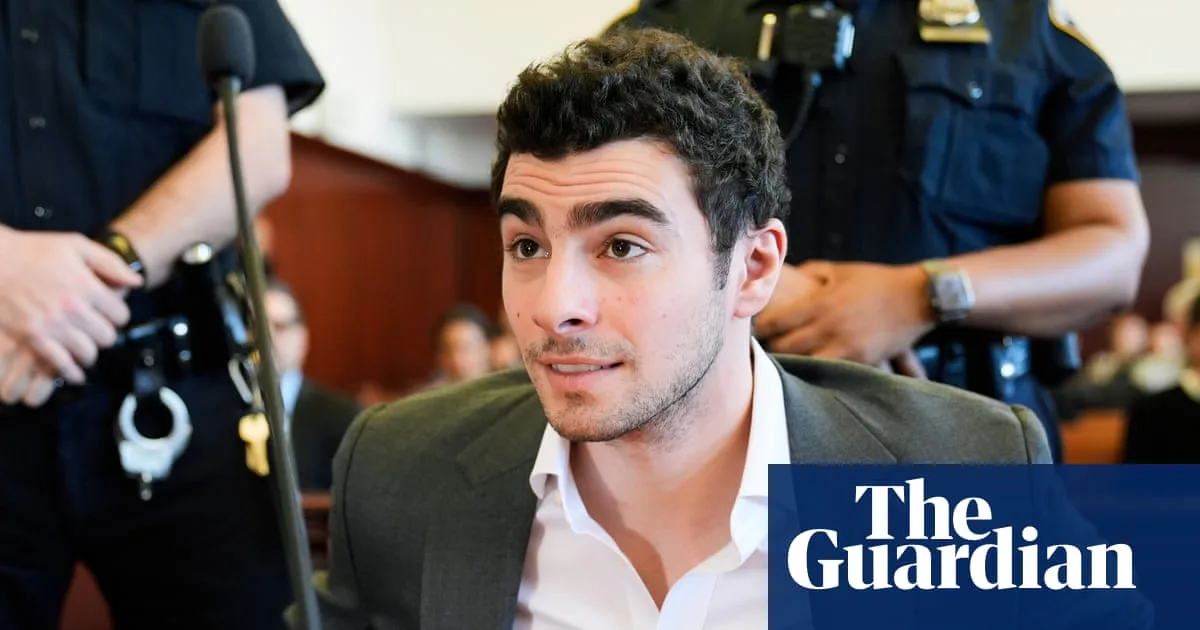
Luigi Mangione Avoids Death Penalty as Prosecutors Drop Appeal
Mangione Avoids Death Penalty as Prosecutors Drop Appeal

Luigi Mangione has avoided the possibility of facing the death penalty after federal prosecutors announced they will not appeal a judge's ruling that prevents them from pursuing capital punishment in his case. This decision clears the way for a federal trial set to begin in September, while a separate state murder trial is scheduled for June.

Prosecutors Drop Death Penalty Challenge

In a letter filed on Friday, Deputy U.S. Attorney Sean Buckley informed Judge Margaret Garnett that the government will not ask the 2nd U.S. Circuit Court of Appeals to overturn her ruling. This move effectively removes the death penalty as a potential punishment in the federal case against Mangione for the killing of UnitedHealthcare CEO Brian Thompson.

Judge's Ruling on Legal Grounds

Last month, Judge Garnett dismissed a federal charge of murder through use of a firearm, which had been the count that allowed prosecutors to seek capital punishment. In her 39-page opinion, she determined this charge was legally flawed and wrote that her decision was intended to "foreclose the death penalty as an available punishment to be considered by the jury."

The judge, a former Manhattan federal prosecutor appointed by President Joe Biden, also threw out a gun charge but left in place stalking charges that carry a maximum punishment of life in prison. Garnett explained that to seek the death penalty, prosecutors needed to show that Mangione killed Thompson while committing another "crime of violence," and stalking doesn't fit that definition according to case law and legal precedents.

Impact on Trump Administration's Capital Case

The ruling disrupted what had been the first capital case brought by the Justice Department in President Donald Trump's second term. U.S. Attorney General Pam Bondi had called the killing a "premeditated, cold-blooded assassination that shocked America" and the Trump administration had sought to see Mangione executed.

Mangione's Legal Situation

Mangione, 27, has pleaded not guilty in both the federal and state cases. The state charges also carry the possibility of life in prison. At a recent court hearing, he spoke out against the prospect of back-to-back trials, telling a judge: "It's the same trial twice. One plus one is two. Double jeopardy by any commonsense definition."

Details of the Crime

Brian Thompson, 50, was killed on December 4, 2024, as he walked to a midtown Manhattan hotel for UnitedHealth Group's annual investor conference. Surveillance video showed a masked gunman shooting him from behind. Police reported that the words "delay," "deny" and "depose" were written on the ammunition, mimicking a phrase used to describe how insurers avoid paying claims.

Arrest and Defense Arguments

Mangione, a University of Pennsylvania graduate from a wealthy Maryland family, was arrested five days after the killing when he was spotted eating breakfast at a McDonald's in Altoona, Pennsylvania, approximately 230 miles west of Manhattan.

His lawyers have argued that authorities prejudiced his case by turning his arrest into what they called a "Marvel movie" spectacle. This included having armed officers parade him up Manhattan pier after he was flown to New York, and by publicly declaring their desire to see him executed even before he was formally indicted.

Trial Schedule and Judicial Reasoning

Jury selection in Mangione's federal case is scheduled for September 8, followed by opening statements and testimony on October 13. His state trial is scheduled to begin June 8, though the judge in that case, Gregory Carro, noted it could have been pushed back until September 8 if federal prosecutors had appealed the death penalty ruling.

Judge Garnett's Perspective

In her ruling, Judge Garnett acknowledged that the decision "may strike the average person — and indeed many lawyers and judges — as tortured and strange, and the result may seem contrary to our intuitions about the criminal law."

However, she emphasized that it reflected her "committed effort to faithfully apply the dictates of the Supreme Court to the charges in this case. The law must be the Court's only concern," she wrote, underscoring the legal principles behind her controversial decision.