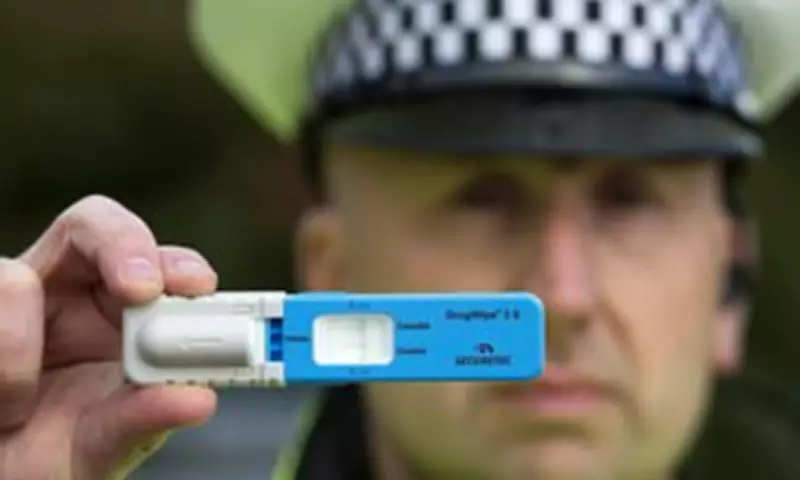
Drug-Driving Offences Exceed Alcohol Violations in Scotland's Festive Police Operation
During a targeted police campaign over the recent festive period, more motorists were apprehended for drug-driving than for exceeding the legal alcohol limit. The enforcement blitz, conducted by Police Scotland between December 1, 2025, and January 4, resulted in 398 recorded incidents of drug-driving, compared to 319 drink driving offences.
Testing and Detection Rates Reveal Shifting Trends
Police Scotland conducted 3,021 breath tests for alcohol and 626 roadside drug tests during the operation. The figures indicate a significant detection rate for drug-related offences, with senior officers noting that drivers impaired by drugs are becoming a more pressing issue than those under the influence of alcohol.
Chief Inspector Craig Johnstone commented on the social perceptions surrounding these offences, stating: "The number of drunk drivers has been pretty stable for a number of years and has become very socially unacceptable. Unfortunately, the same can't yet be said about drug-driving." He added that it was "fair to say that the number of drug-drivers has overtaken the number of drink drivers by some margin."

Historical Context and Regional Observations
Prior to the introduction of drug-driving laws in Scotland in 2019—four years after similar legislation was implemented in England and Wales—experts estimated that drivers impaired by drugs were responsible for up to 200 deaths annually across the UK. The current data suggests this remains a substantial concern.
Officers in the Highlands have observed that drug-driving now exceeds drink-driving on the region's roads, attributing this trend to it being perceived as more socially acceptable among certain groups. Police checks were conducted in towns and cities throughout Scotland with the explicit aim of "deterring and detecting drivers who had taken alcohol or drugs."
Safety Warnings and Legal Consequences
Chief Superintendent Scott McCarren, head of road policing at Police Scotland, issued a stern warning: "Alcohol and drugs make a collision more likely and the impact destroys lives." He emphasised the severe penalties for those caught, including:
- A 12-month driving ban
- Fines of up to £5,000
- Potential imprisonment for up to six months
McCarren confirmed that enforcement efforts would continue alongside multi-agency partnership work to encourage behavioural change among drivers.
Industry and Policy Response
RAC head of policy Simon Williams expressed grave concern about the findings: "It's incredibly worrying to see so many drivers getting behind the wheel in Scotland intoxicated by drugs. The fact the drug-driving detection rate is now considerably outnumbering drink-driving is something that needs to be addressed urgently to protect the safety of road users everywhere."
The data from this festive crackdown underscores a critical shift in road safety challenges, with drug-driving emerging as a predominant threat that requires immediate and sustained attention from authorities, policymakers, and the public alike.