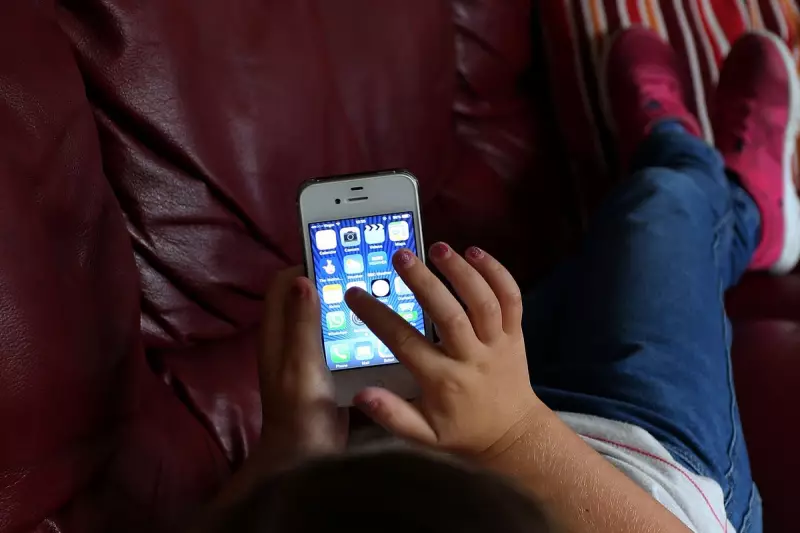
The UK's independent reviewer of terrorism legislation has issued a stark warning, calling for children to be banned from social media platforms because they are incapable of dealing with the torrent of toxic hate speech found online.
Growing Pressure for a UK Ban
Jonathan Hall KC, often referred to as the government's 'terror tsar', made the intervention in a speech at the Policy Exchange think tank on Tuesday 13 January 2026. His comments come as pressure mounts on Prime Minister Sir Keir Starmer to act, following Australia's landmark decision last month to become the first country to prohibit under-16s from using social media.
Hall stated unequivocally that "the question of how to regulate the online space is the most urgent question of our day". He explained his conclusion: "When it comes to hatred online, the only thing I've reached the conclusion is that children should be offline because their brains are not capable of dealing with this hatred." He did, however, extend the concern to adults, who he said are also influenced by such content.

The Science Behind the Concern
This call for a ban aligns with research underpinning the UK's Online Safety Act, which recognised that exposure to toxic materials, hatred, self-harm content and pornography can harm and alter children's developing brains. While the Act introduced mandatory age verification for adult content, the government has so far resisted a blanket social media ban for under-16s.
Supporting evidence comes from the 2022 Health Behaviour in School-aged Children (HBSC) study, which surveyed almost 280,000 young people across 44 countries. It found a significant rise in problematic social media use, with 11 per cent of adolescents showing signs of addiction and suffering negative consequences from their online activity.
A Wider Crisis of Hate and Radicalisation
Hall's speech also addressed the broader normalisation of hatred, particularly in the wake of the Bondi Beach Islamist attack in Australia. He warned that hatred of Jews and Israelis "has been normalised" through protests in the UK and other Western democracies. He expressed grave concern over the correlation between hate speech at street protests and potential terrorist atrocities, noting a dangerous "licensing" effect when hatred is voiced publicly rather than by an anonymous online avatar.
He was sharply critical of police resolve, arguing that existing laws are sufficient if enforced. "I tend to think that what is lacking is not law, but resolve," Hall stated, referencing police handling of chants at pro-Palestinian protests. He also revealed concerns about agents of Iran's Ayatollah regime targeting individuals within the UK.
The watchdog further highlighted a fundamental misunderstanding of governmental power regarding tech giants. Commenting on the ongoing row between the government and Elon Musk's X platform over its AI tool Grok, which has been used to generate sexualised imagery, Hall said few understand the limitations of UK jurisdiction. This followed Sir Keir Starmer vowing "fast action" against X and ministers abandoning their accounts on the platform.
Politically, the issue is gaining cross-party traction. Conservative leader Kemi Badenoch has pledged to follow Australia's lead if her party wins power, while Labour figures like Greater Manchester Mayor Andy Burnham have urged the government to strengthen social media regulation. Notably, the government's current stance against an outright ban finds an unusual ally in Reform UK's Nigel Farage.