Tehran Bombing: Iran's Night of Terror Leaves Dozens Dead
A catastrophic bombing in Tehran has thrust Iran into a harrowing night of terror, resulting in dozens of fatalities and numerous injuries. The attack, which occurred in the heart of the capital, represents a severe security breach that has sent shockwaves throughout the nation and the broader Middle East region.
Details of the Attack
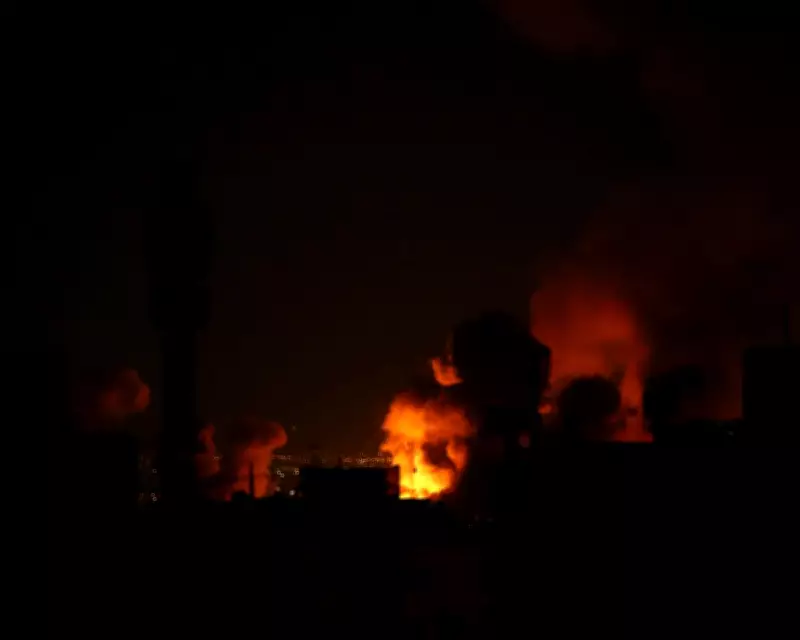
The explosion rocked a densely populated area of Tehran, causing widespread destruction and chaos. Emergency services were swiftly deployed to the scene, where they faced a grim task of rescuing survivors and recovering bodies from the rubble. Initial reports indicate that the bombing was meticulously planned, targeting a location frequented by civilians, which has amplified the sense of vulnerability among the public.
Authorities have launched a comprehensive investigation into the incident, with preliminary findings suggesting the use of sophisticated explosives. The timing of the attack, under the cover of darkness, added to the terror, as residents described scenes of panic and confusion in the aftermath.

Casualties and Response
The human toll from the Tehran bombing is staggering, with dozens confirmed dead and many more suffering from severe injuries. Hospitals in the city have been overwhelmed, struggling to cope with the influx of casualties. Medical personnel are working around the clock to provide critical care, but the scale of the disaster has strained resources.
In response to the attack, Iranian officials have condemned the bombing as an act of terrorism, vowing to bring the perpetrators to justice. Security measures have been heightened across Tehran and other major cities, with increased patrols and checkpoints implemented to prevent further incidents. The government has also called for international cooperation in combating terrorism, highlighting the global nature of such threats.
Broader Implications
This bombing in Tehran is not an isolated event but part of a troubling pattern of violence in the region. It underscores the persistent security challenges facing Iran, which has been grappling with internal and external threats for years. The attack has reignited debates about national security policies and the effectiveness of counter-terrorism efforts.
Moreover, the incident has drawn international attention, with world leaders expressing condolences and solidarity with Iran. Analysts warn that such attacks could destabilize the region further, potentially escalating tensions and complicating diplomatic relations. The night of terror in Tehran serves as a stark reminder of the fragility of peace in conflict-prone areas.
Moving Forward
As Iran mourns the victims of the Tehran bombing, the focus shifts to recovery and prevention. Authorities are urging citizens to remain vigilant and report any suspicious activities. Investigations are ongoing, with hopes that they will lead to the identification and capture of those responsible.
The resilience of the Iranian people is being tested, but community efforts to support affected families and rebuild damaged areas are already underway. This tragedy highlights the urgent need for enhanced security protocols and international collaboration to combat terrorism effectively.