A teenager who plotted a copycat terrorist attack inspired by the Southport stabbings has been sentenced to detention after admitting he wanted to target an Oasis concert and a local dance school.
Snapchat Messages Reveal Deadly Ambitions
McKenzie Morgan, who recently turned 18, was sentenced to 14 months in a young offender institution at the Old Bailey. He had previously pleaded guilty to possession of information likely to be useful to a terrorist.
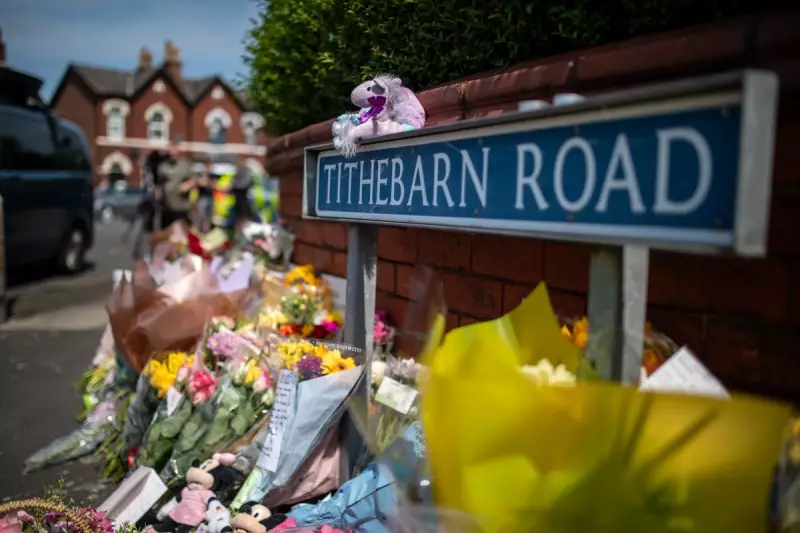
The court heard that Morgan, from Cwmbran in South Wales, told friends via Snapchat messages that he wanted to commit an attack similar to the one carried out by Axel Rudakubana. Rudakubana murdered three girls in a mass stabbing at a Taylor Swift-themed dance class in Southport in July 2024.

Between 7 April and 2 June last year, when he was still 17, Morgan shared images of the killer and expressed his desire to carry out a similar terrorist-style assault. He specifically mentioned wanting to target the Oasis concert in Cardiff on 4 July 2025 and had researched a dance school and playground near his home.
Research into Ricin and Bombs
Prosecutor Ms Bramwell told the court that Morgan's disturbing plans went beyond mere talk. He informed a psychiatric nurse on 2 June that he intended to hurt others and was actively planning a Rudakubana-style attack.
The teenager admitted he had been researching how to make the deadly poison ricin, as well as studying bombs and methods to stab and kill people. He told authorities he enjoyed watching footage of terrorist attacks.
Morgan was found in possession of the 'Al Qaeda Training Manual', the same document used by the Southport attacker. His activities were ultimately reported to police by someone who saw his messages on Snapchat.
Mental Health and Mitigation
Upon his arrest, Morgan claimed he was bored and had not meant what he said, insisting he only "intended to shock". He stated he was unhappy, had been bullied at school, and was experiencing suicidal thoughts.
The court was told Morgan, who has autism spectrum disorder, had also been referred to children's mental health services due to concerns raised by his mother. His barrister, Michael Stradling, argued in mitigation that his client had no history of violence and presented a greater risk of self-harm or being harmed by others.
"I asked him what he wants to say and what I would describe as a true heartfelt manner he said that he wanted you to know that he is very sorry," Stradling told the court.
Previously, Morgan could not be named due to his age, but the reporting restriction was lifted when he turned 18.