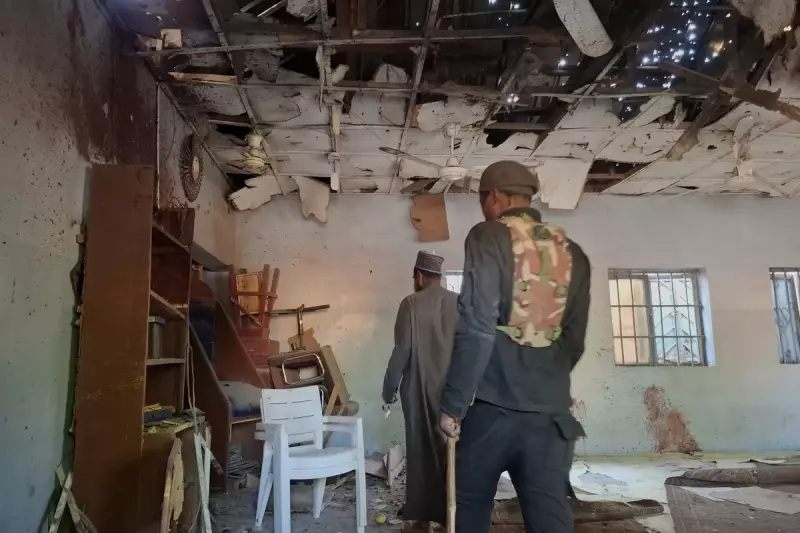
A deadly explosion ripped through a mosque in northeastern Nigeria on Christmas Day, leaving at least five people dead and dozens more wounded in what police suspect was a suicide bombing.
Scene of Carnage in Maiduguri
The attack occurred on Thursday 25 December 2025 as worshippers gathered for evening prayers in Maiduguri, the capital of Borno state. Local authorities confirmed the blast resulted in five fatalities and 35 injuries. Emergency services rushed to the scene following the explosion, which caused significant damage and panic within the community.
Officials from the Borno state police have indicated the incident bears the hallmarks of a suicide attack. Fragments of what is believed to be a suicide vest were discovered at the site, lending weight to their initial assessment. An investigation is ongoing to determine the precise details of the assault.

History of Militant Violence in the Region
This bombing represents the latest in a long series of violent incidents plaguing Nigeria's northern regions. The area has been a stronghold for various armed extremist groups for over a decade. The primary actors in this conflict are:
- Boko Haram, the notorious jihadist group known for its brutal insurgency.
- Islamic State West Africa Province (ISWAP), a faction that broke away from Boko Haram and pledged allegiance to the Islamic State.
As of now, no group has formally claimed responsibility for the Christmas Day attack. However, security analysts note that the use of a suicide bomber is a tactic frequently employed by Boko Haram in previous years. The group has carried out numerous similar attacks on mosques, markets, and villages throughout its campaign of terror.
Analysts Warn of Tactical Resurgence
The attack has raised concerns among security observers about a potential shift in militant strategy. While Boko Haram's use of suicide bombers had seen a notable decline in recent times, this incident, following other similar events, suggests the group may be reviving the tactic.
Analysts warn this could signal a dangerous resurgence of a method designed to inflict maximum casualties and sow widespread fear. The targeting of a place of worship on a significant religious date underscores the ongoing threat to civilian life and regional stability.
The Nigerian military continues to engage in operations against these militant factions, but attacks like this demonstrate the persistent and evolving security challenges facing the country.