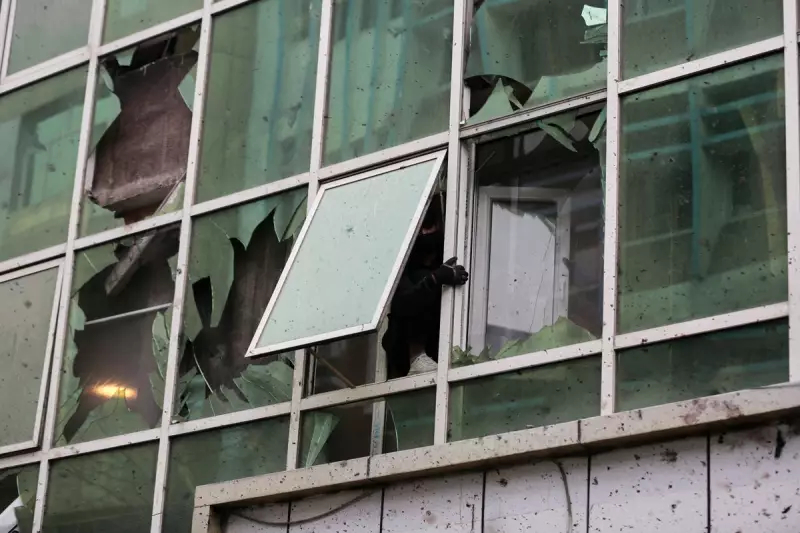
The Islamic State (IS) militant group has claimed responsibility for a deadly suicide bombing at a Chinese restaurant in Afghanistan's capital, Kabul, which killed at least seven people, including one Chinese citizen.
Details of the Attack
The explosion occurred on Monday at a restaurant in the Shahr-e-Naw district, a location known to be frequented by Chinese nationals. Police spokesperson Khalid Zadran confirmed the restaurant was co-owned by an Afghan man, a Chinese national, and his wife. The blast originated near the kitchen, causing significant damage and casualties.
In a statement posted via its Aamaq news agency late Monday, IS said a bomber entered the venue during a gathering and detonated an explosive vest. The group claimed the attack resulted in 25 casualties, including Taliban guards, though these figures have not been independently verified.

Afghan authorities have not officially confirmed the cause. Interior Ministry spokesperson Mufti Abdul Mateen Qani stated on Tuesday that an investigation was ongoing. The style of the IS claim, however, matches previous statements from the group.
International Response and Casualties
China's Foreign Ministry spokesperson, Guo Jiakun, confirmed one Chinese national was killed and five others were wounded. He urged Afghan authorities to treat the injured, protect Chinese citizens and projects, and bring the perpetrators to justice. Beijing has advised its citizens against travelling to Afghanistan and called for those already there to evacuate high-risk areas.
"China strongly condemns and resolutely opposes terrorism in all forms," Guo stated during a briefing in Beijing.
The Italian charity EMERGENCY, which runs a nearby surgical centre, reported receiving 20 casualties from the blast, seven of whom were dead on arrival. Afghan broadcaster Tolo News aired footage showing people fleeing as smoke billowed from the scene.
Geopolitical Tensions and Broader Threats
The IS claim linked the assault to China's treatment of Uyghur Muslims and issued further threats against Chinese nationals in Afghanistan. This attack highlights the persistent security challenges under Taliban rule, despite their assurances that Afghan soil will not be used by militants.
While most nations withdrew after the Taliban's 2021 takeover, China has maintained a significant economic presence without formally recognising the Taliban government. The bombing tests this delicate relationship and underscores the ongoing threat posed by Islamic State's Afghan affiliate.
In a related development, Pakistani President Asif Ali Zardari condemned the attack, criticising the Taliban government for failing to uphold ceasefire agreements and prevent militant activity. This came as Tajik authorities reported killing four gunmen who crossed from Afghanistan overnight, whom Afghan officials described as drug smugglers.