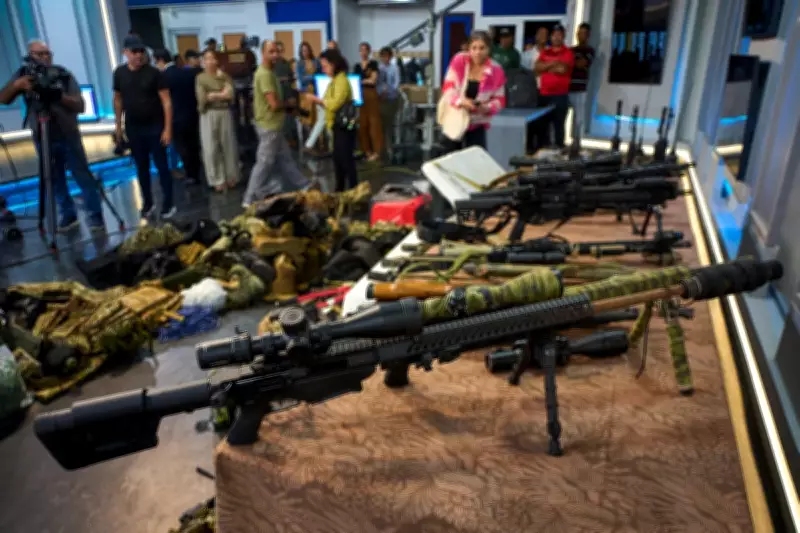
Cuba announced on Wednesday that it has formally filed terrorism charges against six suspects it claims were aboard a Florida-flagged speedboat that allegedly opened fire on soldiers in waters off the island's north coast. The incident, which resulted in a fatal exchange of gunfire, has escalated tensions and drawn international attention.
Details of the Alleged Attack
The Cuban government stated that 10 heavily armed individuals of Cuban origin from the United States were on board the vessel when they attempted to infiltrate the island to commit acts of terrorism. According to official reports, the suspects initiated gunfire, prompting Cuban soldiers to return fire, which led to the deaths of four of the alleged attackers.
Evidence and Charges
Authorities unveiled items reportedly recovered from the boat, including a dozen high-powered weapons, over 12,800 rounds of ammunition, and 11 pistols. The Prosecutor's Office confirmed that the six surviving suspects remain in pretrial detention and emphasized its commitment to ensuring "due process" while acting "in defense of our people and the country's institutions."

Legal Implications
Chief prosecutor Edward Robert Campbell informed The Associated Press that terrorism charges in Cuba can carry sentences of up to 30 years in prison or even the death penalty. However, Cuba has maintained a moratorium on capital punishment since 2003, which may influence the final sentencing outcomes.
The case highlights ongoing geopolitical strains and raises questions about cross-border security and legal proceedings. As the investigation continues, Cuban officials vow to pursue justice rigorously, underscoring the seriousness with which they view the alleged terrorist plot.