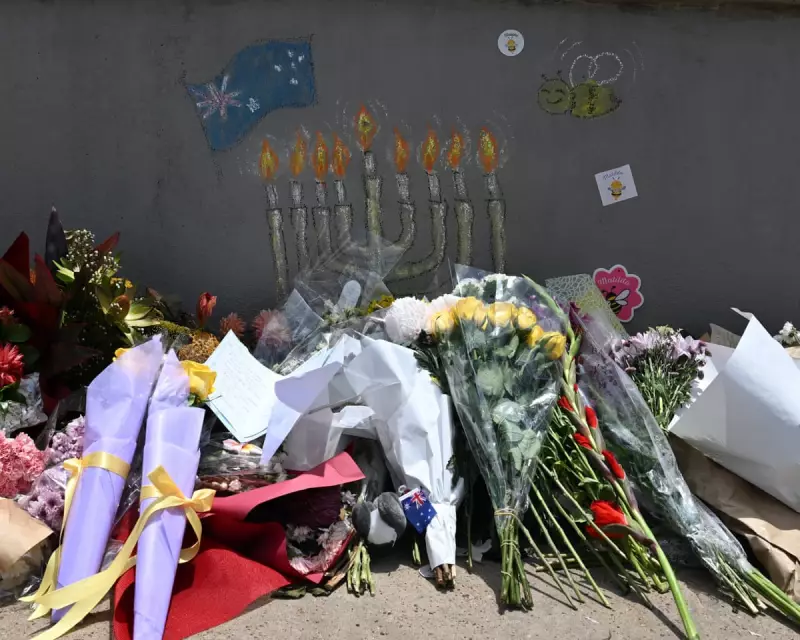
The golden sands of Bondi Beach, a place synonymous with sun, surf, and family joy for many Sydneysiders, have been violently transformed into a site of profound tragedy. For author Jonathan Seidler, the recent terror attack has desecrated not just a location, but a sacred family memory and the very essence of the Jewish festival of Hanukah.
A Festival of Light Shadowed by Darkness
In the Seidler household, the hanukiah – a large, custom-made menorah – is a centrepiece of celebration. Crafted from aircrete and described as brash and proud, it symbolises a joyful, public expression of Jewish identity. Hanukah, with its candles, doughnuts, and games, has always been the "fun" festival, a story of survival celebrated with minimal solemnity.
The Bondi attack has brutally severed that association. For Seidler, the festival now feels horribly akin to Yom HaShoah, a day of mourning. Watching his young daughters light the rainbow candles and sing traditional songs, he is struck by the unfairness that this lighthearted ritual will forever be paired with the memory of fear and loss. Bondi, where his girls were born and first swam, is now inextricably linked to tragedy.

The White-Hot Anger of a Changed Reality
In the aftermath, Seidler sought help from a state-provided therapist, a concession he notes arrived "too late and yet just at the right time." He grapples with a white-hot anger that sears from within, a fury born from two years of escalating tension for Jewish communities across Australia. He confesses a personal failure of imagination; he had believed that embracing Australian values and kindness would inoculate against such terror.
The attack at Bondi Junction marks a brutal endpoint to a period that has hardened a generation of young Jews, driving them towards conservatism after assaults on schools, synagogues, and even bakeries. The return of heavy cement bollards to roads and the memory of police helicopters circling his suburb are now part of a grim new normal.
No Closure as the Candles Burn Down
Poignantly, the eight nights of Hanukah almost exactly mirrored the traditional Jewish mourning period of shiva. As the final candles blazed on their oversized hanukiah – a potential fire hazard he likens to the reclaimed walls of an ancient temple – Seidler found no closure. The family remains torn between attending vigils and protecting their children, jumping at every siren.
The festival's end brings no relief, only the dread of a terrifying new unknown. He is desperate to return to a normality where the biggest Bondi beach threat is sunburn, yet clings to the shared grief, fearing that any semblance of joy feels traitorous. As his three-year-old daughter strums a pink guitar and sings the Hebrew blessings she has memorised, Seidler is left with a haunting contradiction: you are not supposed to cry on Hanukah. For his family, and for many across Sydney, the lights of the festival have been permanently dimmed by the shadow of Bondi.