ASIO missed 'simple jigsaw' before Bondi attack, expert says
ASIO missed key flags before Bondi terror attack

A leading security analyst has claimed that Australia's top spy agency failed to assemble the 'simple jigsaw pieces' that should have flagged the alleged Bondi Beach gunmen as a major threat before their deadly attack last December.

What were the missed warning signs?

Michael Shoebridge, director of the defence think tank Strategic Analysis Australia, told the Daily Mail that the Australian Security Intelligence Organisation (ASIO) overlooked several glaring red flags concerning Naveed Akram, 24, and his father, Sajid.

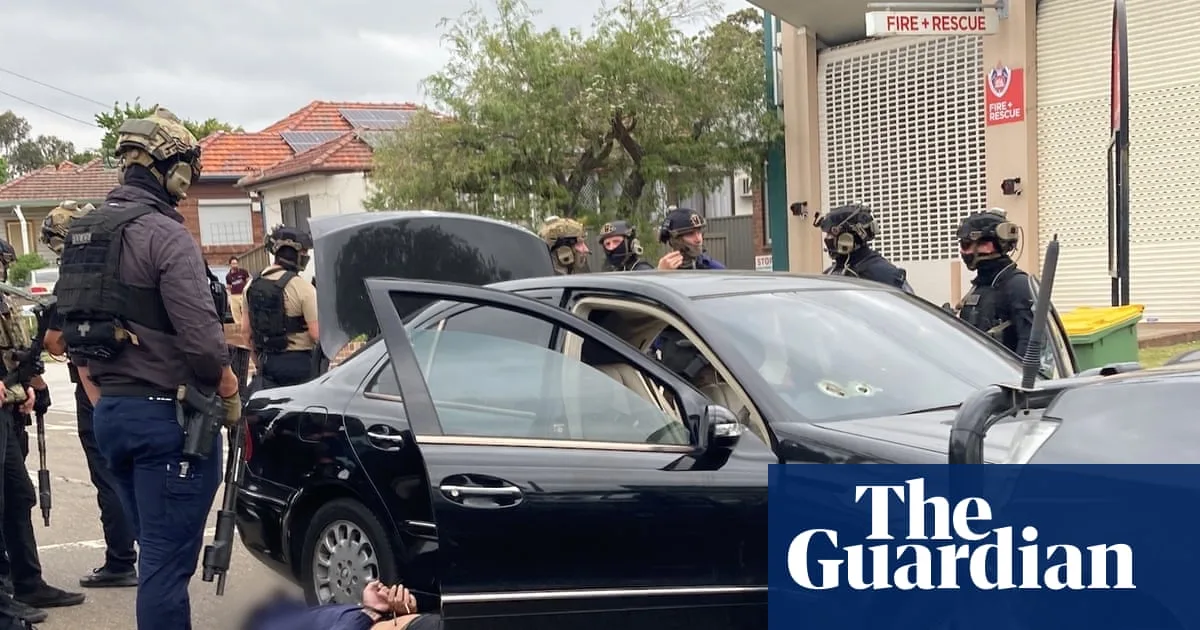
The pair are alleged to have opened fire on a crowd celebrating Hanukkah near the iconic Sydney beach on December 14. In just over six minutes, fifteen people were killed. The victims included 10-year-old Matilda and 87-year-old Holocaust survivor Alex Kleytman.

Naveed Akram now faces 59 charges, including terrorism and 15 counts of murder. His father was shot dead by police at the scene.

Three critical data points ignored

According to Mr Shoebridge, three key indicators should have triggered an investigation but were apparently missed or not acted upon effectively.

Firstly, ASIO was aware that Naveed had allegedly met Islamic extremists through street preaching groups as far back as 2021. Despite this, he was placed on a passive 'known entity' list rather than an active surveillance watch list.

Secondly, Sajid Akram's firearms activity raised alarms. After a long application process, his licence was issued in July 2023. Soon after the mandatory 28-day cooling-off period ended, he purchased three Category B guns: a lever-release shotgun and two identical high-calibre rifles. Under national agreements, buying multiple identical weapons should automatically prompt an inquiry.

Thirdly, the father and son travelled to Davao City in the southern Philippines, a region notorious as a hub for Muslim terrorist groups. They spent nearly a month there in late 2023. While Australian Federal Police found no evidence of training, Mr Shoebridge argues the destination alone was a major warning sign.

'The combination of the rapid buying of multiple firearms and a son who is allegedly associated with an Islamic State terror cell, along with travel to the southern Philippines, doesn't look like a really intricate jigsaw to follow up on,' Shoebridge stated. 'It's, at least, enough for a knock on the door.'

A call to refocus on core security

The defence expert identified a root cause: counterterrorism has 'drifted down' the priority list for intelligence agencies. He believes focus has shifted towards foreign interference, cybercrime, and social cohesion issues, diluting resources for tracking traditional terror threats.

'I'm not sure that you get that same relentless search for new phenomenon and study of all the indicators,' he said, adding that ASIO needs to 'resurrect counterterrorism as a real priority' and assign its best personnel to the task.

He also criticised ASIO leadership for becoming distracted by broader social commentary. 'I think ASIO needs to stick to their knitting, and that means finding and spoiling terrorist and espionage plots. Everything else is not their job.'

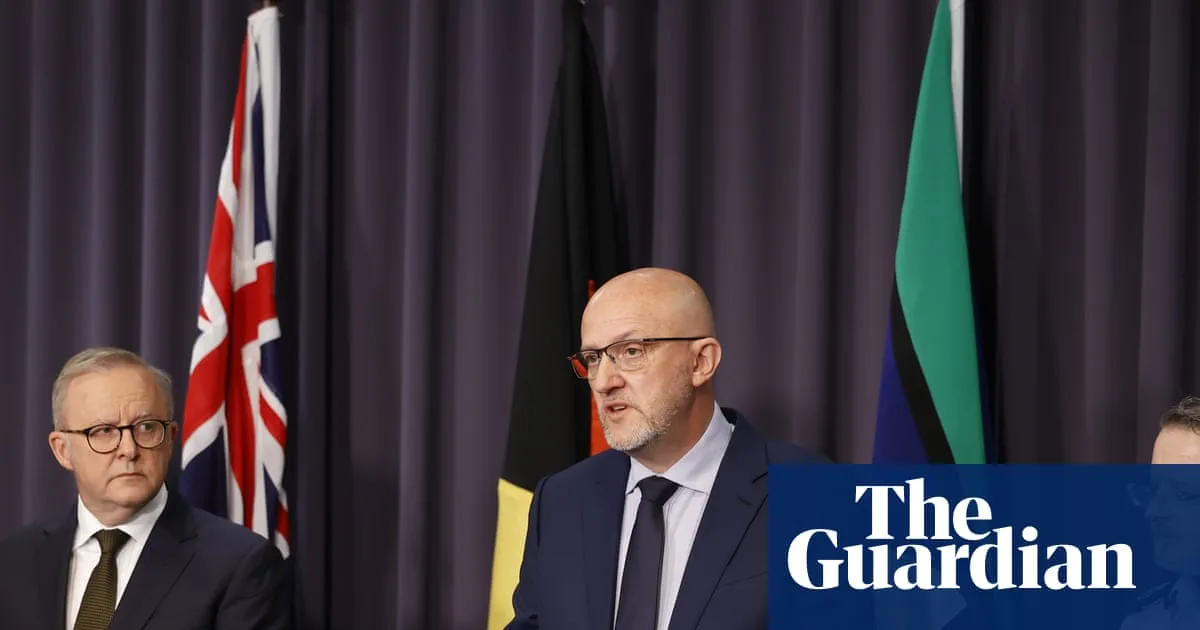
Mr Shoebridge expressed some sympathy for ASIO chief Mike Burgess, suggesting the spy director has been forced to become the government's public voice on security because ministers have been 'reluctant to speak clearly or frankly.'

He concluded by acknowledging systemic challenges, including clunky data sharing across state and federal boundaries, but insisted the flags in this case were clear. 'We speak as though the government and intelligence agencies are all-seeing and all-knowing... But, really, I think there are enough flags here, and they're not particularly novel.'