
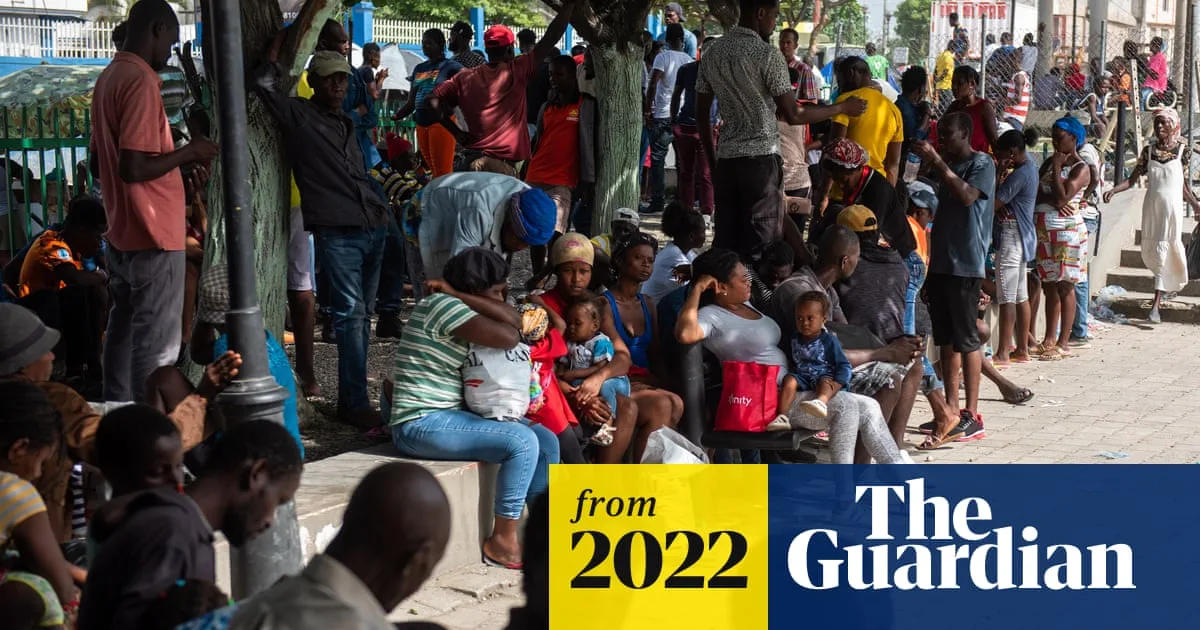
Haitian women and children are being systematically targeted for rape, torture, kidnapping and murder by armed gangs that now control 60% of the capital, Port-au-Prince, according to a report by The New Humanitarian. Victims and aid workers describe a crisis where sexual violence is used as a weapon of war.
One woman, Madeline, recounted how she and her husband Baptiste fled their home in Cité Soleil in July as gang violence escalated. After making it through a dangerous intersection known as the 'Crossroads of Death', they were stopped by an armed gang. Baptiste was beaten, had a tyre placed around his neck and was set on fire. Madeline was raped by more than a dozen gang members before being told to run, forcing her to abandon her husband's body.
Médecins Sans Frontières (MSF) reported a dramatic increase in cases of gender-based violence. In September, the organisation recorded 32 cases of rape or other sexual violence in just two days. Previously, MSF saw three to four patients per day; now it sees about 130 victims per month, of whom 100 are rape victims. 'Speaking about 10 cases means there are 1,000 unreported,' said Lara Chlela of Unicef.
More than 96,000 people have been displaced by the violence, but there are no formal displacement sites. Dozens of women and girls have been raped at makeshift camps, according to the Bureau des Avocats Internationaux. Another victim, Nathalie, was raped while six months pregnant and searching for water. She has since placed three of her four children in an orphanage, fearing they could be recruited by gangs.
The gang violence has surged since the assassination of President Jovenel Moïse in July 2021. With over 60% of the population unemployed and nearly 77% living on less than $2 a day, many young people turn to gangs for survival. The de facto leader, Ariel Henry, has called for foreign intervention, but nearly 100 civil society groups oppose this, demanding a Haitian-led solution.




