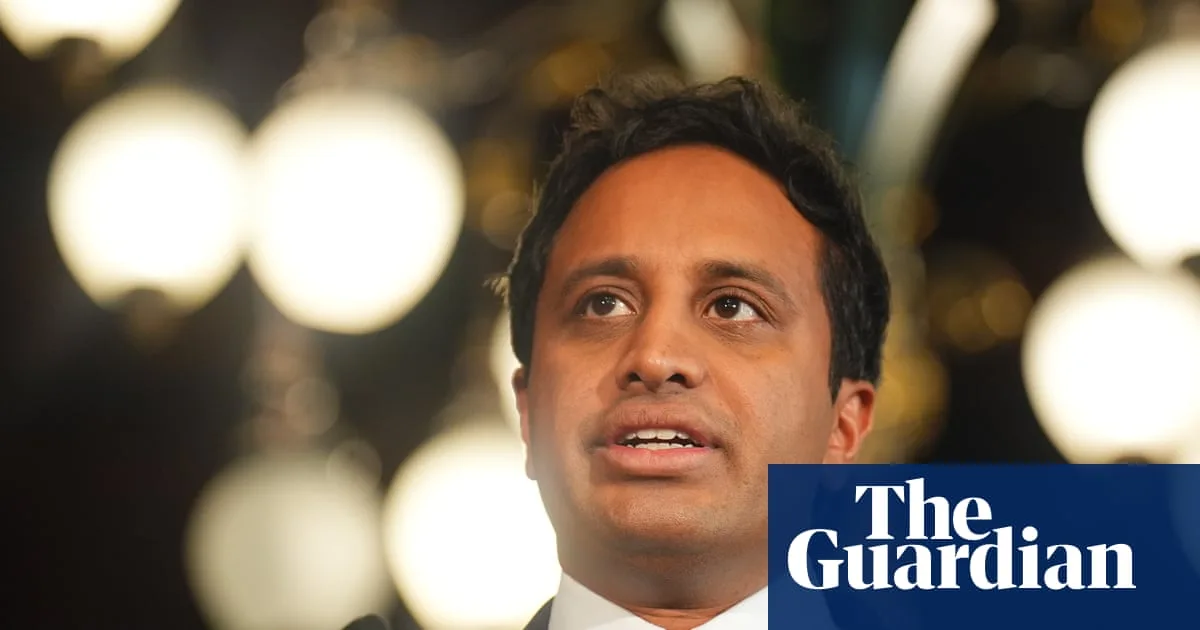
Reform UK has announced plans to introduce mandatory whole-life prison sentences for child rapists, with no possibility of parole, if it wins the next general election. The policy was unveiled by the party's head of policy, Zia Yusuf, on Saturday as part of a crackdown on grooming gangs.
The party said it wanted mandatory minimums to apply to historic child sexual abuse cases to ensure proportionate sentencing for such crimes. According to Ministry of Justice data, there were 677 convictions for rape of children under 16 in 2024, though this figure represents the number of convictions rather than individuals convicted. Currently, judges can impose life sentences at their discretion, with an offence range of six to 19 years for offences against children under 13.
Mr Yusuf criticised successive governments, saying they had failed to protect children. He said: "For too long, Conservative and Labour governments have failed to protect our children. A Reform government will introduce mandatory minimum life sentences for those who rape children. It is shameful that this is not already the law."
He also highlighted what he described as lenient sentences for grooming gang offenders and the early release of violent offenders under Labour. Reform said the policy had been factored into plans to free up prison capacity by deporting foreign criminals and building "Nightingale prisons". Whole-life orders are reserved for the most serious cases, with recent examples including child serial killer Lucy Letby, Sarah Everard's murderer Wayne Couzens, and Ali Harbi Ali, who murdered MP Sir David Amess.
A government spokesperson responded that sentencing sits with the independent judiciary, but judges can and do hand down long terms, including life sentences. The spokesperson noted the government is delivering the biggest overhaul of child protection measures in decades, including making grooming an explicit aggravating factor in sentencing, and that the Independent Inquiry into Grooming Gangs is under way.