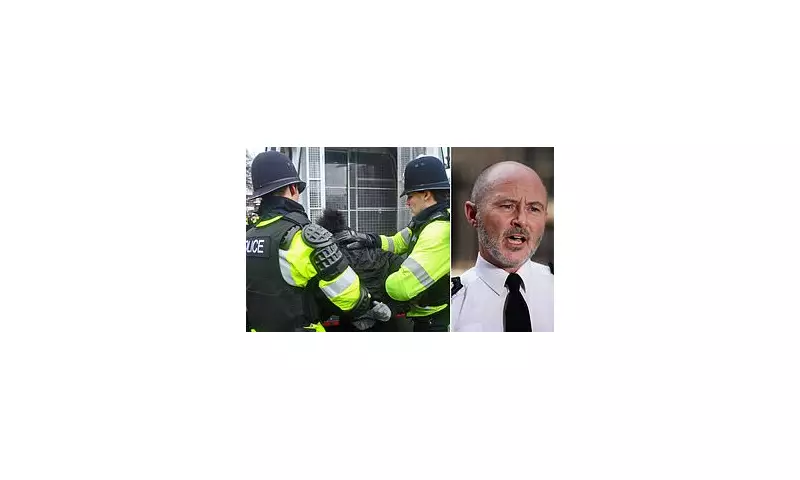
Britain's top police officers have issued a stark warning that the government's planned soft justice reforms will trigger a nationwide surge in crime, pushing some financially fragile forces to the brink of bankruptcy. The controversial Sentencing Bill, due next year, aims to jail fewer offenders by scrapping short prison terms and releasing inmates earlier.
An £800 Million Policing Black Hole
The financial burden of managing thousands more offenders in the community has doubled from an initial £400 million to a staggering £800 million, according to the latest Home Office analysis. Police chiefs state that not a single penny of this colossal sum has been allocated in the government's funding settlement, revealed on December 18.
Gavin Stephens, Chair of the National Police Chiefs’ Council (NPCC), has predicted that the reforms could cause crime to increase by up to 6 per cent in a single year, placing the public and victims at greater risk. "Police chiefs are despairing," a senior source revealed. "There seems to be no recognition from the Government of what is coming."

Forces on the Financial Edge
The additional costs, which would require expanded investigation teams, call centres, and response units, threaten to overwhelm already strained budgets. Lincolnshire and Gloucestershire police forces are already in financial peril, with auditors warning Lincolnshire it may have to issue a section 114 notice—effectively declaring bankruptcy—without a cash injection.
Norfolk Chief Constable Paul Sanford, who leads the NPCC on finance, outlined the potential consequences for the public: "Some of the indicators... are longer times to answer the phone, extending lengths of investigations... reduced frontline visibility and the pullback of... proactive activity to disrupt things like serious organised crime."
Reoffending Fears and Strategic Collapse
Officers are bracing for a wave of "horror stories" regarding reoffending, as resources become too stretched to monitor predatory criminals. The reforms are also expected to critically endanger the government's pledge to halve violence against women and girls, as domestic violence and sex offenders remain in communities instead of behind bars.
The situation has sparked a Whitehall dispute, with the Home Office and the Ministry of Justice at odds over who should fund the reforms championed by Justice Secretary David Lammy. A Government spokesman responded, stating a final funding settlement would follow a Police Reform White Paper and highlighting investments in prison places and probation.
However, with forces warning of a perfect storm of early releases, a crumbling Probation Service, and empty coffers, the stage is set for a severe test of policing and public safety in the coming year.