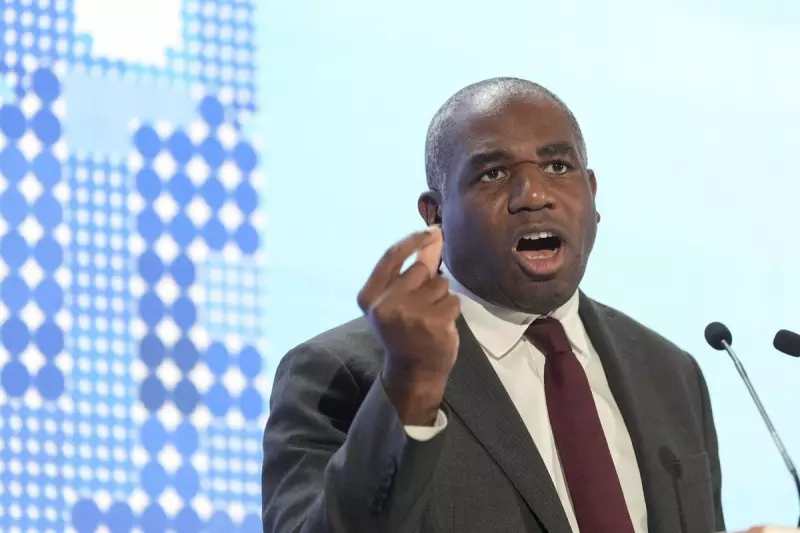
Justice Secretary David Lammy is poised to introduce a major overhaul of the justice system, with a central proposal to scrap jury trials for certain less serious offences in a bid to tackle a record-breaking court backlog.
The Core Reforms: Judge-Only Trials and Backlog Battle
At the heart of the 'fast and fair justice plan' is a controversial move to introduce judge-only trials for 'either way' offences like theft and burglary. This category of crime can currently be heard in either a magistrates' or crown court. The radical shift aims to deliver swifter justice for victims and increase court efficiency.
The urgent need for reform is underscored by the staggering scale of the backlog in the crown courts, which currently stands at 78,000 cases. Government ministers have issued a stark warning that this figure could balloon to 100,000 by 2028 without decisive action. Mr Lammy has acknowledged the scale of the challenge, conceding that it will be impossible to clear the entire backlog before the next general election, but insists his plan will provide much-needed momentum.

Investment and Opposition
Alongside the trial procedure changes, the justice package includes significant financial commitments. A central pillar is a £550 million investment over three years to bolster support services for victims of crime. Further measures to increase capacity include:
- Raising the number of crown court sitting days.
- Launching a new scheme to support recently qualified criminal barristers.
However, the proposals have immediately faced strong criticism from key legal bodies. Both the Criminal Bar Association and the Law Society have voiced serious concerns, questioning the necessity and potential effectiveness of removing juries for these offences. They argue the move could undermine public confidence in the justice system.
The Road to Swift Justice
In setting out his vision, David Lammy emphasised the paramount importance of providing 'swift justice' for victims who have endured long waits for their cases to be heard. The reforms represent the government's most comprehensive attempt to date to address a crisis that has been building for years within the courts. The success of the plan will ultimately be judged on its ability to reduce the daunting backlog while maintaining the integrity and fairness of British justice, a balance that has already sparked significant debate within the legal profession.