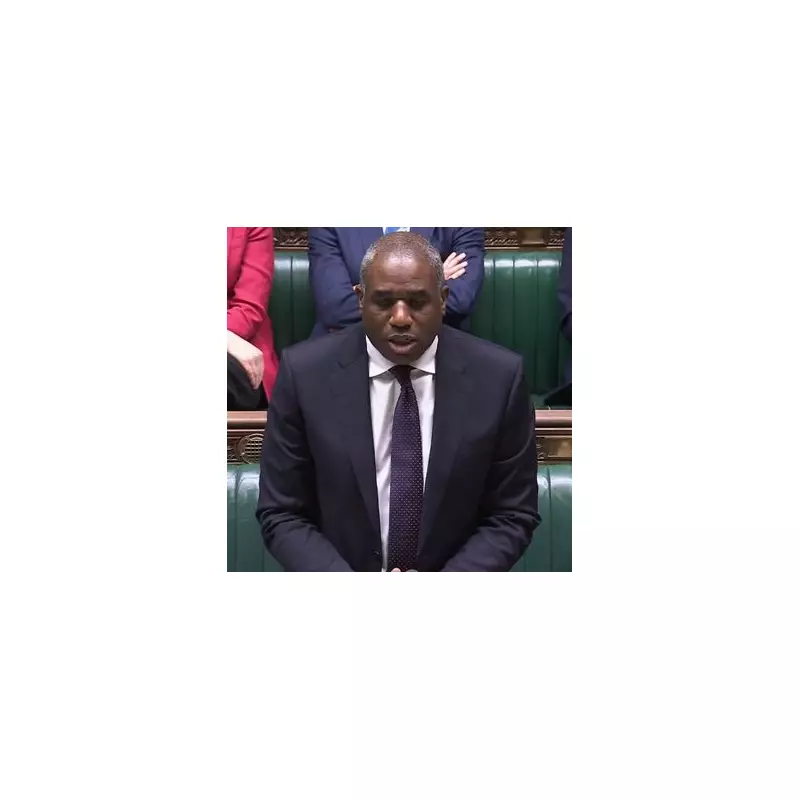
In a dramatic move to tackle the crisis engulfing Britain's courts, Justice Secretary David Lammy has unveiled plans to strip defendants facing shorter prison sentences of their automatic right to a trial by jury. The once-in-a-generation reforms, announced in the House of Commons on 2 December 2025, aim to slash the record backlog of cases and deliver faster justice for victims.
The End of the 'Either Way' Choice
Under the current system, individuals accused of a wide range of "either way" offences—which can be heard in either a Magistrates' Court or a Crown Court—have the right to choose a jury trial. This right will be completely removed. Instead, the judiciary will decide where a trial is held.
The key threshold is the likely sentence. Offences expected to result in a custodial sentence of less than three years—such as burglary, possession of drugs, and some forms of sexual assault—will no longer have an automatic jury. These cases will be heard either by magistrates or by a judge sitting alone in a new court division.

This marks a significant shift from initial proposals. Following a major backlash from the legal profession over a leaked memo suggesting a five-year cut-off, the government settled on the three-year limit. Crimes likely to attract a sentence of more than three years will retain the right to a jury.
Driving the Change: A System in Crisis
Mr Lammy declared an "emergency in the courts," stating that doing nothing was not an option. The Labour government inherited a justice system described as being in deep crisis, with almost 80,000 cases waiting in Crown Courts. Victims often face waits of up to four years for a trial date.
Officials hope the reform will stop defendants "gaming" the system by opting for a jury trial to exploit long delays, hoping that distressed victims or witnesses will withdraw. Cases in magistrates' courts are typically resolved within weeks or months, compared to years for some jury trials.
To support the change, magistrates—volunteer justices who are considered to better represent public diversity—will be given enhanced sentencing powers. They will be able to hand down jail terms of up to 18 months, potentially rising to 24 months, up from their current 12-month limit.
What Stays and What Goes?
Jury trials will remain the cornerstone for the most serious "indictable" offences, including rape, murder, kidnap, terrorism, and robbery, which must be heard in the Crown Court.
However, the government's plans go beyond the recommendations of Sir Brian Leveson's recent landmark review. While Leveson suggested a new "Crown Court Bench Division" with two magistrates and a judge for over 150 offences, the government intends for this new division to be presided over by a judge sitting alone. Complicated financial and fraud cases may also be heard by a judge alone where appropriate.
The reforms have sparked controversy, with concerns raised about the impact on ethnic minority defendants, who already face disproportionate outcomes in the justice system. This is notable given Mr Lammy's own 2017 review described juries as a "success story" that helps expose bias.
Announcing the plans, David Lammy told MPs: "These reforms are bold, but they're necessary... I am clear that jury trials will continue to be the cornerstone of the system for the most serious offences. This is a problem that has taken years to build up. It will take years to fix." The changes will require new legislation and take time to implement.