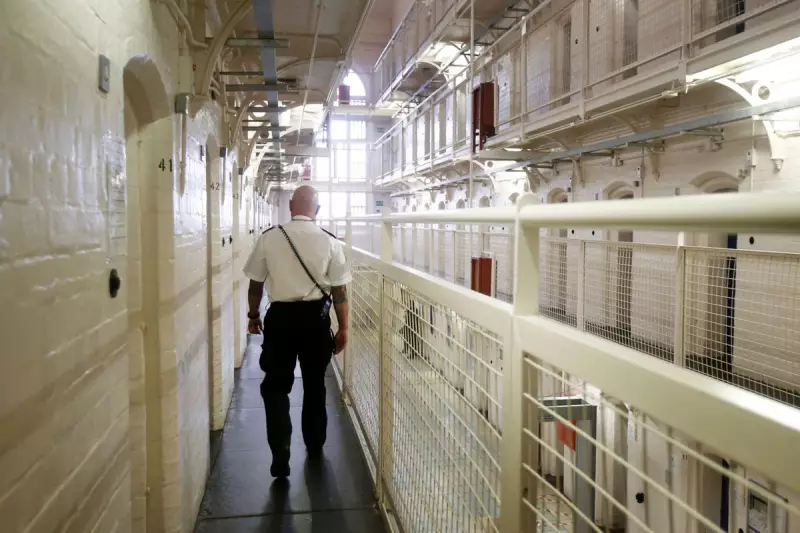
A Kafkaesque crisis is unfolding within Britain's prisons, where hundreds of inmates remain trapped under a discredited sentencing regime, caught in a nightmarish loop that is destroying their mental health.
The Abolished Sentence That Refuses to Die
Imprisonment for Public Protection (IPP) sentences were scrapped in 2012, deemed an affront to justice. Yet, 2,400 individuals who were serving them at the time were left behind. These prisoners have no set release date and can only secure freedom by convincing the Parole Board they pose no risk. Breaching strict licence conditions can see them immediately returned to custody.
Successive governments, both Conservative and Labour, have rejected calls from families, retired judges like former Lord Chief Justice John Thomas, and campaigners to resentence these prisoners. The psychological toll of this indefinite limbo is severe and widely documented.

A Modern-Day 'Catch-22' for the Most Vulnerable
For 233 IPP prisoners transferred to hospital for acute mental health treatment, the injustice takes a crueller twist. In a real-life echo of Joseph Heller's Catch-22, their recovery triggers their own re-incarceration. Once deemed mentally stable, they are sent back to the very prison environment that fuelled their crisis, to continue serving their indefinite sentence.
One case highlighted is that of Thomas White, 42, given an IPP sentence for stealing a mobile phone. After 13 years in prison, during which he self-harmed severely, he was moved to a psychiatric hospital. He has since told his sister "it's all a lie" upon learning he will be returned to prison without a release date once his health stabilises.
A Political Failure Demanding Courageous Leadership
The Parole Board operates under immense pressure, wary of public blame if a released IPP prisoner reoffends. The original law was intended for dangerous criminals, but its use ballooned, encompassing minor offences. Some inmates have now served over 20 years for crimes like theft.
As prisons minister Lord James Timpson stated last month, "We cannot take any steps that would put victims or the public at risk." However, the profound harm inflicted by this systemic failure now far outweighs the minimal residual risk from resentencing. The responsibility to end this scandal rests squarely with ministers: Prime Minister Sir Keir Starmer, Justice Secretary David Lammy, and Lord Timpson himself.
Britain in 2026 should be a world away from the absurd, oppressive universes depicted by Franz Kafka and Joseph Heller. Yet for thousands still trapped in this legal nightmare, that fiction is their grim reality. The new year must be the moment political courage is found to finally resolve this burning injustice.