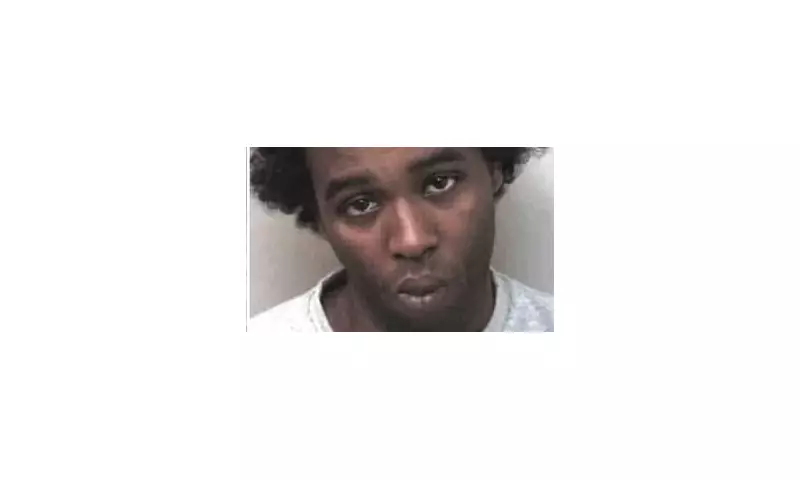
A convicted double murderer who once held a prison officer hostage has been awarded a taxpayer-funded payout totalling nearly a quarter of a million pounds after successfully arguing that his prolonged segregation breached his human rights.
Hostage-Taker Uses Human Rights Law
Fuad Awale, serving a minimum 38-year sentence for a double execution-style killing, was moved to a special separation unit for dangerous inmates after he and another convict ambushed a jail worker in 2013. During the incident, he pinned the officer to a chair with a sharp implement at his throat, threatening: "Stop struggling, I've killed two people - I'll kill you."
Awale, who had also demanded the release of notorious hate preacher Abu Qatada and attempted murderer Roshonara Choudhry during the hostage situation, later used Article 8 of the European Convention on Human Rights (ECHR) to mount a legal challenge. His lawyers argued that his segregation, intended to prevent him from harming staff or radicalising other prisoners, had breached his right to a private life and caused him 'severe depression'.

High Court Rules in Killer's Favour
The High Court ruled in Awale's favour, with a judge stating there had been a 'significant degree of interference with the claimant's private life'. The judgement noted that the interference from his removal from association with other inmates had been 'of some significance and duration'.
As a result, Justice Secretary David Lammy has agreed to a settlement, revealed in a letter to his shadow counterpart. The Ministry of Justice will pay £7,500 in compensation and £234,000 to cover Awale's legal costs, bringing the total taxpayer bill to £241,500.
The court heard that Awale, assessed as holding extremist beliefs, had previously asked to associate with one of the Islamic extremist killers of Fusilier Lee Rigby, but was denied on counter-terrorism grounds. Since March 2023, he had spent as little as one hour a day outside his cell at HMP Woodhill in Milton Keynes.
Political Outrage and Legal Reforms
The payout has sparked significant political controversy. Robert Jenrick, the Conservative shadow justice secretary, branded the decision a 'sick joke' and accused Labour of 'cowing to terrorists and the human rights brigade'. He demanded emergency legislation to 'carve these monsters out of the ECHR'.
In his letter, Mr Lammy noted the compensation sum was a 'modest proportion' of the total and stated the payout was contested as standard for litigation involving prisoners convicted of terrorist offences. He indicated that ministers are now actively considering changes to the law.
Mr Lammy suggested the government is looking at reforms to prevent extremist criminals from using the ECHR as a 'barrier to us protecting national security'. He is currently considering a review by terror watchdog Jonathan Hall, initiated after an alleged knife attack on officers by Manchester Arena bomb plotter Hashem Abedi. This review is believed to recommend appealing the Awale ruling and changing the law to stop similar exploitation.
Awale was originally sentenced in January 2013 for the murder of two teenagers, Mohammed Abdi Farah, 19, and Amin Ahmed Ismail, 18, who were shot in the head in a Milton Keynes alleyway over a drugs dispute. He received a further six-year sentence for the hostage-taking.