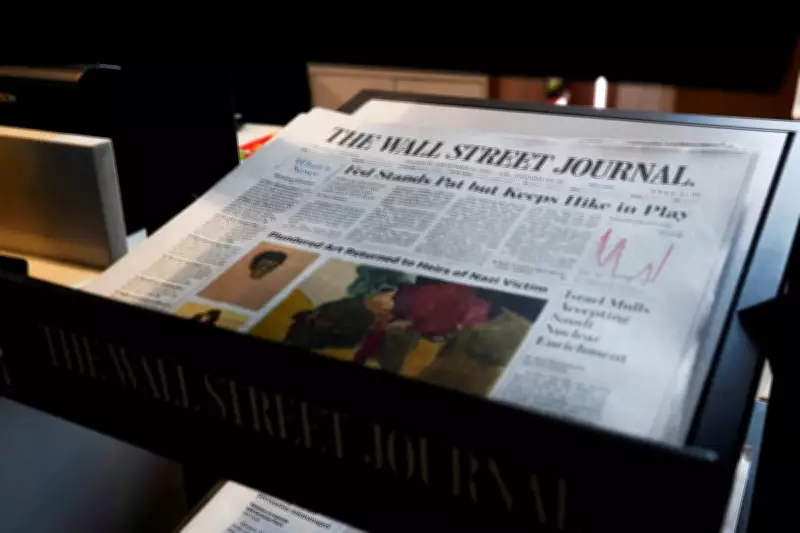
Trump's Defamation Lawsuit Against WSJ and Murdoch Dismissed by Federal Judge
A federal judge has dismissed a defamation lawsuit filed by former President Donald Trump against the Wall Street Journal and media mogul Rupert Murdoch. The lawsuit, which alleged that the publication and its owner made false and damaging statements about Trump, was thrown out due to a lack of sufficient evidence and robust First Amendment protections for journalistic expression.
Details of the Legal Ruling and Its Implications
The judge ruled that Trump failed to meet the high legal standard required for defamation claims against public figures, emphasizing the need for clear and convincing proof of actual malice. This decision underscores the strong safeguards in place for press freedom in the United States, particularly when reporting on prominent political figures. The court noted that the statements in question were protected under the First Amendment, as they pertained to matters of public concern and were not made with reckless disregard for the truth.
Background and Context of the Lawsuit
Trump initiated the lawsuit in response to articles published by the Wall Street Journal that he claimed contained defamatory content regarding his business dealings and political activities. The legal action sought substantial damages, arguing that the coverage had harmed his reputation and financial interests. However, the judge's dismissal highlights the challenges public figures face when attempting to sue media outlets for defamation, given the stringent legal thresholds designed to prevent chilling effects on free speech.

Reactions and Broader Media Landscape Considerations
Following the ruling, representatives for Trump expressed disappointment, suggesting that the decision could have wider implications for how media organizations cover political leaders. In contrast, advocates for press freedom welcomed the outcome, viewing it as a victory for journalistic integrity and the essential role of a free press in a democratic society. This case adds to a series of legal battles involving Trump and media entities, reflecting ongoing tensions between public figures and the press in the contemporary political climate.