Serial Sex Offender Finally Convicted for 2003 Rape After Innocent Man Served 17 Years
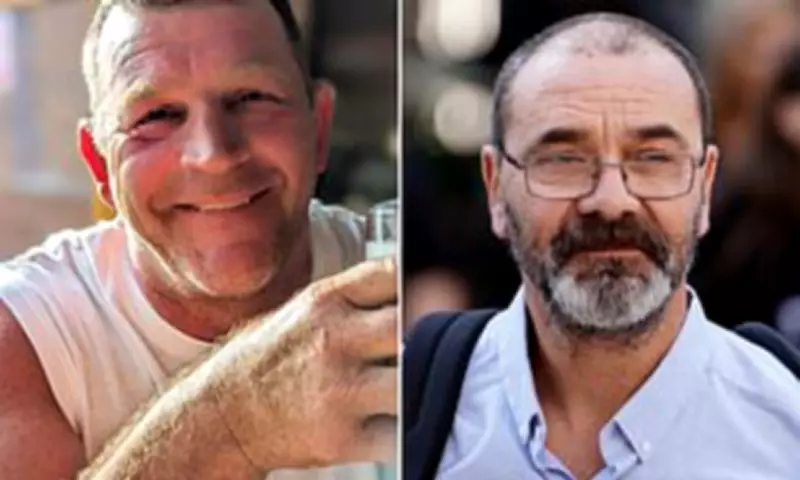
A serial sex offender who believed he had evaded justice for a brutal rape, while an innocent man was imprisoned, is now facing a lengthy jail sentence. In one of Britain's most egregious miscarriages of justice, Andrew Malkinson endured 17 years behind bars after being wrongfully convicted of attacking and raping a woman on a motorway embankment in Salford, Greater Manchester, in 2003.
The Real Attacker Unmasked
The actual perpetrator was Paul Quinn, a 52-year-old former fence erector and divorced father-of-five, who boasted of consensual encounters with hundreds of women in his youth. Mr Malkinson finally cleared his name in 2023, following advanced DNA analysis of samples from the victim's clothing, which provided a one-in-a-billion match to Quinn's DNA, collected over a decade earlier.
Jurors at Manchester Crown Court have now unanimously convicted Quinn of two counts of rape and attempting to strangle the victim with intent to render her unconscious. He was also found guilty of grievous bodily harm after a five-week trial.

Systemic Failures and Delayed Justice
The trial has raised profound questions about the conduct of police and prosecutors, who failed to act on mounting doubts regarding Mr Malkinson's conviction. His lawyer, Toby Wilton, stated, 'justice has been done, but it is justice very long delayed.' The case highlights multiple blunders, including the destruction of key evidence by Greater Manchester Police in 2016 and a decade-long delay in matching Quinn's DNA to the crime scene.
Quinn's criminal history dates back to childhood, with an indecent assault conviction at age 12, followed by unlawful sexual intercourse with a minor at 16, and arson at 19. Despite this, his DNA, sampled in 2012 as part of a national operation targeting sex offenders, was not linked to the rape until 2022 due to investigative oversights.
Impact on the Victim and Wrongly Convicted
During Mr Malkinson's 2004 trial, the victim insisted she was 'more than 100 per cent' certain of his guilt. However, she later revealed in Quinn's trial that she had been 'unsure' at the time and informed police, who dismissed her doubts as 'normal.' This miscarriage has forced her to relive the trauma in court twice.
Mr Malkinson's incarceration shattered his mental and physical health, leading to suicidal thoughts. He was denied parole due to maintaining his innocence, while Quinn lived freely, becoming a grandfather and starting a new life in Devon.
Ongoing Investigations and Accountability
An independent judge-led inquiry and an investigation by the Independent Office for Police Conduct are examining why it took so long to identify the real attacker. Six officers involved in the original case are under scrutiny for potential misconduct, with one facing criminal allegations.
Assistant Chief Constable Steph Parker of Greater Manchester Police expressed profound apology, acknowledging 'a failing of Greater Manchester Police and the wider criminal justice system.' The force has pledged full cooperation with inquiries to prevent such errors in the future.
Key Evidence and Timeline
The attack occurred in the early hours of July 19, 2003, when the victim was grabbed from behind, strangled, and raped. She provided a detailed description of her attacker, including a 'shiny, hairless' chest, which matched Quinn's habit of shaving his chest in summer, as confirmed by his ex-wife.
Despite DNA evidence in 2007 excluding Mr Malkinson, efforts to identify the unknown male profile stalled. The Criminal Cases Review Commission's refusal to order further testing in 2012, citing cost, was later deemed 'very unsatisfactory.' It was only in 2022, after relentless campaigning by Mr Malkinson and the charity Appeal, that Quinn was arrested.
Quinn claimed ignorance of how his DNA was found, suggesting consensual sex, but his ex-wife's testimony about his missing shirt on the night of the attack and his suspicious online searches undermined his defence. Mr Malkinson has received compensation and advocates for increased payouts for miscarriage of justice victims.