A King County jury has delivered a landmark verdict, ordering the city of Seattle to pay more than $30 million in damages over the unsolved, fatal shooting of a teenager at the "Capitol Hill Occupied Protest" zone in 2020. The decision follows 12 days of deliberation and finds the city negligent in its emergency response, which the jury concluded directly caused the death of 16-year-old Antonio Mays Jr.
Verdict and Damages Awarded
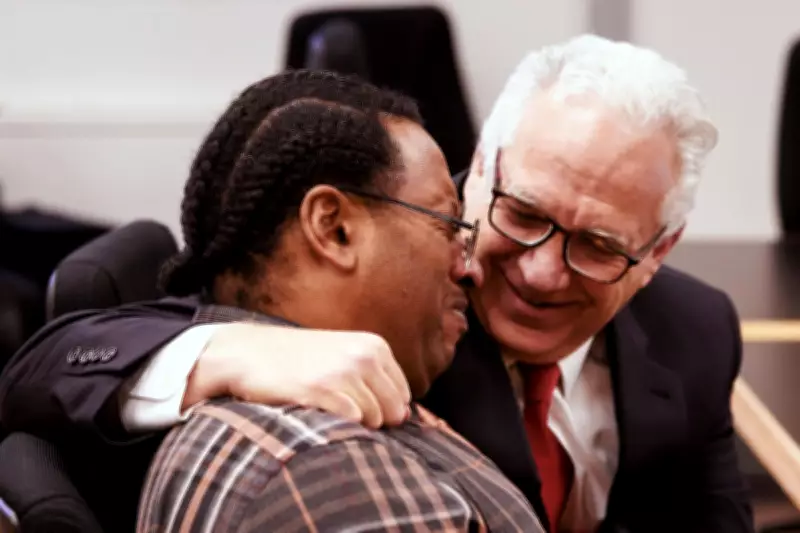
On Thursday, the jury returned its verdict, compelling Seattle to pay $4 million to the estate of Antonio Mays Jr. and a further $26 million to his father, Antonio Mays Sr. Reports from the courtroom describe Mays Sr. becoming emotional and embracing his lawyer as the decision was announced. The city attorney's office issued a statement acknowledging the tragedy and confirming it is considering its legal options in response to the ruling.
The Fatal Incident and Emergency Response
The shooting occurred on June 29, 2020, near the protest zone known as CHOP, which was established by racial justice demonstrators following the murder of George Floyd. Mays was shot in the head while in a stolen white Jeep, with a 14-year-old also present in the vehicle who survived after being taken to hospital by witnesses.

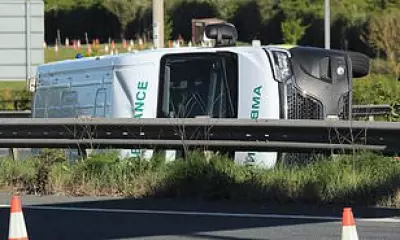
Critical to the case was the emergency response, or lack thereof. Because first responders would not enter the protest zone, witnesses attempted to transport Mays by private vehicle to seek medical care from paramedics. They tried to flag down an ambulance that drove away from them, and it took approximately 24 minutes before they eventually met with medics in a parking lot. Attorneys for the Mays family argued that with proper and timely airway clearance, Antonio Mays Jr. might have survived.
Legal Arguments and Court Rulings
The city contended that Mays, having suffered a gunshot wound to the head, was unlikely to have survived regardless of the response time, and that the emergency services were not to blame for his death. However, King County Superior Court Judge Sean O'Donnell barred the city from presenting a defence that it was not liable because Mays was allegedly committing a felony—stealing the Jeep—at the time of his death. Judge O'Donnell ruled that even if the city proved the theft, there was no evidence he was killed because of it.
Context of the Capitol Hill Occupied Protest
The "CHOP" zone arose in Seattle's Capitol Hill neighbourhood in June 2020, occupying eight square blocks after the city police department abandoned its nearby precinct. The protest area lasted for three weeks, drawing derision from then-President Donald Trump, who claimed a large section of the city had been taken over by anarchists.
A livestream from the scene captured the shots and the aftermath of the shooting, but did not show the shooter. Witnesses on the livestream suggested that armed protesters guarding the zone's barricades had fired at the Jeep. To date, no arrests have been made nor charges filed in connection with the shooting.
Antonio Mays Jr.'s Journey
Antonio Mays Jr. had travelled to Seattle from Southern California, leaving a note for his father stating he was joining the civil rights movement. He did not disclose his destination, only expressing a desire to make his father "proud." Upon finding the note, Mays Sr. filed a missing persons report with the Los Angeles Police Department. Tragically, less than ten days later, his son was dead.
Following two shootings at or near the protest zone, including Mays' death, then-Mayor Jenny Durkan and the police department moved to dismantle CHOP. This verdict now places a significant financial and legal consequence on the city for its role in the events surrounding that tumultuous period.