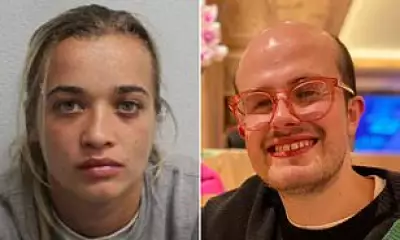
A Nevada man who endured years of rape and abuse by his own mother has been declared the legal father of his younger brother following a complex court case centred on DNA evidence.
A History of Abuse and a Mother's Conviction
Logan Gifford, now 26, first reported the alleged sexual abuse by his mother, Doreene Gifford, to authorities in 2015 when he was 16. He stated the abuse had begun when he was just 10 years old.
Doreene Gifford consistently denied the allegations. However, in the same year her son came forward, she entered an Alford plea to lesser charges of attempted sexual assault and lewdness with a child under 14. This type of plea means a defendant maintains innocence but acknowledges that prosecutorial evidence would likely lead to a guilty verdict at trial.

Prosecutors said they had sufficient evidence for a conviction. Doreene Gifford was sentenced to eight to 20 years in prison. She served nine years before being released on parole and remains a registered sex offender.
The Paternity Petition and DNA Evidence
During the legal proceedings, Doreene gave birth to another child, claiming the baby was from an affair. As the boy grew older, speculation about his paternity intensified.
This led Logan Gifford to file a petition earlier this year in a Nevada court to determine the biological father of his now 15-year-old brother. DNA tests were subsequently ordered.
The results revealed that both Logan and his father, Theodore Gifford, shared a 99.9 percent DNA match with the teenager. Paternity testing in such sibling relationships is notoriously complex, as individuals with the same parents share very similar genetic markers.
A Court's Ruling and Mixed Emotions
In September, a Clark County judge ruled that Logan Gifford was the legal father of his brother. The judge acknowledged the DNA test did not provide a definitive conclusion but issued a default ruling after Logan's biological father, Theodore, failed to respond to the case.
Speaking to People magazine prior to the ruling, Logan said a therapist's question first made him suspect he might be the boy's biological father. "I honestly didn't know," he admitted.
Following the court's decision, Logan expressed conflicted feelings. "It's really a peculiar feeling if I'm being transparent. I feel partially vindicated," he said. He expressed happiness that the trial was over but sorrow for his brother, who may never get a definitive answer about his paternity.
"Clearly, this is a tragic situation and I know he is ready to start the road to recovery," Logan added, also calling for better training for social services in spotting signs of abuse.