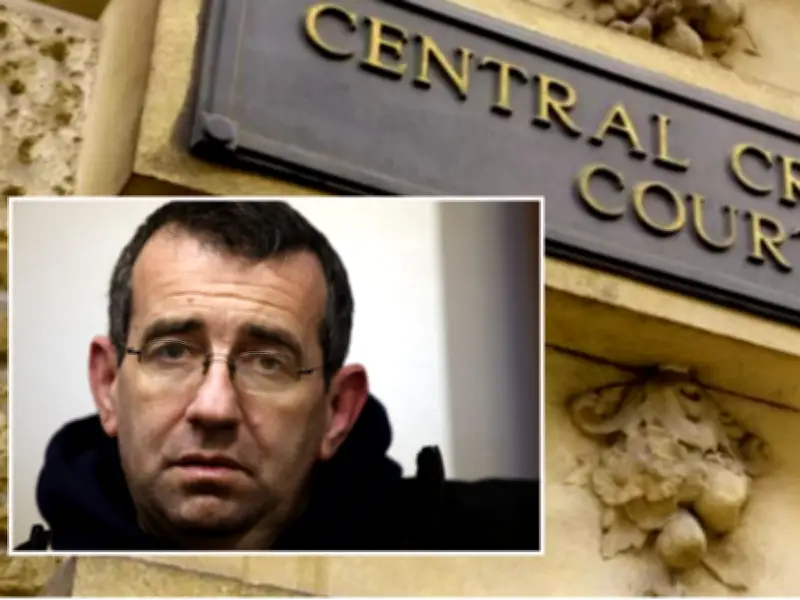
Judge Philip Katz KC at the Old Bailey has instructed the jury on the legal framework for reaching verdicts in the trial of John Henry Sayers and his son, both of whom deny causing grievous bodily harm (GBH) with intent to Walter Patterson. They also face a lesser alternative charge of inflicting GBH.
Allegations and Charges
The prosecution alleges that Sayers senior and junior attacked Patterson, a member of an organised crime group, after catching him setting fire to a Range Rover that had been driven into their home in Newcastle. Sayers senior is accused of striking Patterson with a machete, while Sayers junior allegedly used a metal pole.
Judge's Directions on Jury Conduct
Judge Katz emphasised that jurors must decide the case based on logic and reason, not guesswork or speculation. He warned against conducting independent research, stating that jurors have been imprisoned for doing so. He also cautioned against sympathy or emotion, urging a "clear, calm analysis using reason and logic."
Burden of Proof
The judge reminded the jury that the prosecution bears the burden of proving the defendants' guilt beyond reasonable doubt. "The prosecution must make you sure of guilt. Nothing less will do," he said. He added that the defendants do not have to prove their innocence.
Alternative Charge
The jury was informed of an additional count of inflicting GBH, which serves as an alternative to the more serious charge of GBH with intent. The distinction lies in the defendant's intent. Jurors are to consider the lesser charge if they are not sure about the more serious one.
Four Elements of GBH with Intent
Judge Katz outlined four elements for the jury to consider:
- Deliberate use of force: Not in dispute; both defendants admit to using force.
- Unlawful force: Disputed; central issue is whether the force was used in necessary and reasonable self-defence.
- Really serious bodily harm caused: Disputed; prosecution must prove that unlawful force caused such harm to Patterson.
- Intent to cause really serious harm: Disputed; if not proven, the jury must acquit on GBH with intent and consider the lesser charge.
Self-Defence Law
The judge explained that a person who genuinely believes it is necessary to use force to defend themselves, another person, property, or prevent crime may use reasonable force. The prosecution must prove beyond reasonable doubt that the defendant was not acting in reasonable self-defence. The judge noted that self-defence does not require waiting to be physically struck, and that the question is not determined solely by who struck first. If the force was used in revenge, punishment, or due to past provocation, it is not considered self-defence.
Reasonableness of Force
Judge Katz stated that the jury must decide whether the force used was reasonable. Disproportionate force is likely unreasonable, but if a defendant only did what was necessary in a difficult situation, that is strong evidence of reasonableness.
Summary on Self-Defence
If the jury concludes that a defendant may have genuinely believed in the need to defend himself and used reasonable force, then he was acting in self-defence and his use of force was lawful. However, if the prosecution proves either that the defendant did not have such a belief or that he used excessive force, the defence fails.
Sayers senior, 62, and Sayers junior, 29, both of Fossway, Byker, Newcastle, deny causing GBH with intent and inflicting GBH. The trial continues.