US Military Operation to Seize Iran's Uranium Stockpile Deemed High-Risk
Any potential US military intervention aimed at securing Iran's hidden uranium stockpile would constitute an exceptionally complex, perilous, and protracted operation, laden with severe radiation and chemical dangers, according to detailed analysis from nuclear experts and former senior government officials.
Shifting Objectives and Grave Dangers
President Donald Trump has articulated varying objectives for the ongoing conflict with Iran, yet he has consistently emphasized a core goal: ensuring Tehran "never have a nuclear weapon." Recent reports indicate the administration is actively considering launching a military operation specifically to seize the country's uranium stockpiles, while carefully weighing the considerable dangers such a mission would pose to American troops.
Given the extreme risks associated with deploying up to 1,000 specially trained military personnel into hostile territory, experts suggest that a negotiated settlement for the material's surrender without resorting to force presents a far more viable and safer alternative.

The Scale of the Nuclear Stockpile
Iran currently possesses 440.9 kilograms of uranium enriched to 60 per cent purity, a dangerously short technical step from the 90 per cent purity required for weapons-grade material, as confirmed by the International Atomic Energy Agency (IAEA). This substantial stockpile, if weaponized, could theoretically allow Iran to construct up to ten nuclear bombs, according to IAEA Director General Rafael Grossi, who clarified in 2025 that this "doesn’t mean Iran has such a weapon." Iran maintains its nuclear program is entirely peaceful, despite longstanding assertions from the IAEA and Western nations of an organized nuclear weapons program that persisted until 2003.
Hidden in Tunnels and Unverified Locations
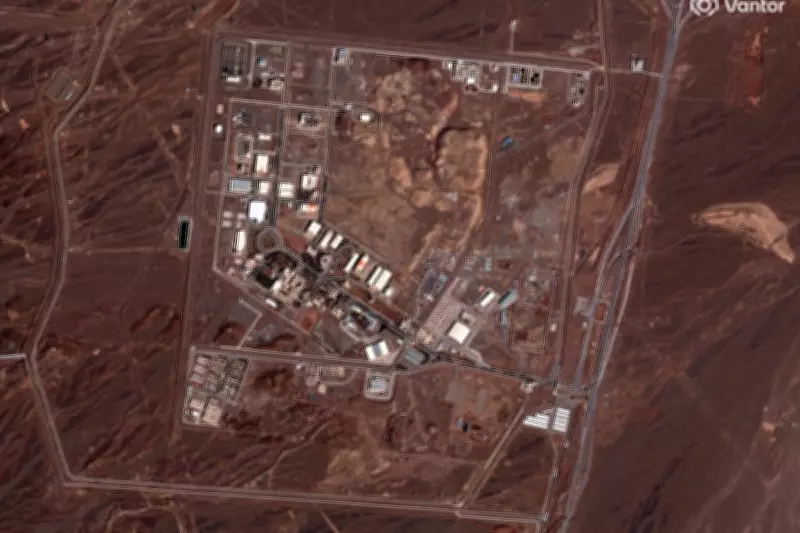
The precise location of this near weapons-grade uranium has been obscured since June 2025, when combined Israeli and American airstrikes significantly degraded Iran's air defenses, military leadership, and nuclear infrastructure. This disruption has prevented IAEA inspectors from verifying the stockpile's whereabouts. Director General Grossi has stated the agency believes approximately 200 kilograms of highly enriched uranium is stored within fortified tunnels at Iran's nuclear complex near Isfahan, a site historically known for producing uranium gas for centrifuge enrichment.
Additional quantities are suspected to be held at the Natanz nuclear facility, with lesser amounts potentially stored at Fordo. US Director of National Intelligence Tulsi Gabbard recently testified with "high confidence" that the US intelligence community knows the locations of these stockpiles, though operational details remain classified.
Radiation, Chemical Hazards, and Logistical Nightmares
The uranium is stored in robust canisters, each weighing roughly 50 kilograms when full, containing uranium hexafluoride gas. Estimates suggest between 26 and 52 such canisters exist. David Albright, a former nuclear weapons inspector, warns that while these containers are designed for storage, "safety issues become paramount" if they are damaged—for instance, by airstrikes—allowing moisture ingress. This could release fluorine, a highly toxic and corrosive chemical hazardous to skin, eyes, and lungs, necessitating that any personnel entering the tunnels wear full hazmat suits.
Furthermore, maintaining strict distance between canisters is critical to prevent a self-sustaining critical nuclear reaction, which would unleash a massive burst of radiation. Transport would require specialized containers to ensure this separation. Albright and other experts, including Darya Dolzikova of the Royal United Services Institute, argue that the optimal solution would be to physically remove the material from Iran via special military aircraft for "downblending"—mixing it with lower-enriched uranium to render it suitable for civilian use. Performing this technically complex downblending process within Iran is deemed unfeasible due to likely war-related damage to the necessary infrastructure.

A Daunting Military Undertaking
Christine E. Wormuth, former US Secretary of the Army, describes securing this material with ground troops as a "very complex and high risk military operation" likely to result in casualties, given the material is probably dispersed across multiple sites. An operation at the Isfahan complex alone could require at least 1,000 personnel.
The mission's logistics would be daunting: tunnel entrances are likely buried under rubble, requiring helicopters to airlift heavy excavators. Forces might even need to construct a temporary airstrip. Special forces units, such as the 75th Ranger Regiment, would need to work alongside nuclear experts from units like the Nuclear Disablement Teams to locate canisters underground while establishing a security perimeter against potential attacks.
"The Iranians have thought this through, I’m sure, and are going to try to make it as difficult as possible," Wormuth noted, anticipating challenges like decoy canisters and booby traps that would make the operation "a pretty painstaking effort."
The Negotiated Alternative
In contrast to a military assault, the preferred path forward, according to experts like Scott Roecker, former director of the Office of Nuclear Material Removal, is a negotiated agreement with the Iranian government for the material's removal. Historical precedent exists: in 1994's "Project Sapphire," the US secretly transported 600 kilograms of weapons-grade uranium from Kazakhstan. The US Department of Energy's Mobile Packaging Unit, developed from such experiences, has successfully removed nuclear material from several countries and could be deployed under a diplomatic deal.
IAEA inspectors could also participate in such a mission. Director General Grossi confirmed the agency is "considering these options," while stressing that Iran has a "contractual obligation to allow inspectors in," though he pragmatically added, "Nothing can happen while bombs are falling." Achieving such a negotiated solution remains challenging, given Tehran's deep suspicion of Washington following the US withdrawal from the nuclear agreement and subsequent military strikes.