Ben Roberts-Smith Denies War Crime Allegations in First Public Statement
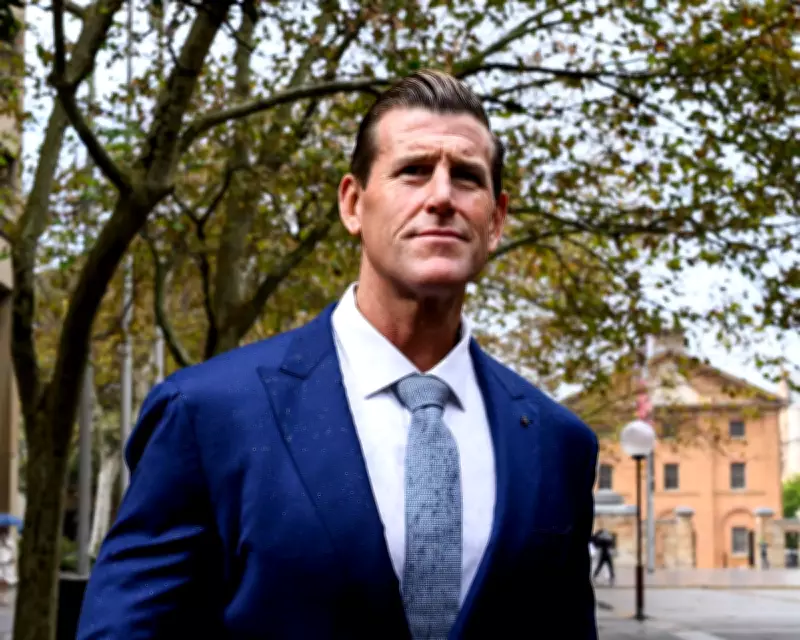
Ben Roberts-Smith, the decorated Victoria Cross recipient and former Australian SAS soldier, has made his first public statement since his arrest on alleged war crimes. The statement was issued on Sunday while he is on bail on the Gold Coast, awaiting a potential trial that could define his legacy.
Charges and Allegations
Roberts-Smith faces five charges of war crime murder, stemming from allegations that he killed unarmed civilians during his service with the Australian SAS in Afghanistan. Once hailed as Australia's most lionised soldier, he now confronts a legal battle that has cast a shadow over his military career.
Public Statement Details
In a short statement delivered to the media, Roberts-Smith addressed the allegations head-on. He said, "For the past 10 years, my family and I have been subject to a campaign to convince Australians that I've acted improperly in my service in Afghanistan. As I've always maintained: I categorically deny all of these allegations. And while I would have preferred these charges not be brought, I will be taking this opportunity to finally clear my name. I'm proud of my service in Afghanistan."

Context and Implications
This statement marks a significant moment in the ongoing investigation into alleged war crimes by Australian forces in Afghanistan. Roberts-Smith's case is part of a broader inquiry that has scrutinised the conduct of SAS personnel during the conflict. His denial comes as he prepares for a legal process that could have far-reaching consequences for military accountability and public perception.
The timing of the statement, while on bail, underscores the high stakes involved. Roberts-Smith's reputation, once built on valour and honour, is now under intense scrutiny. His vow to clear his name suggests a protracted legal fight ahead, with potential implications for how war crimes are prosecuted in Australia.
As the case progresses, it will likely spark debates about military ethics, the challenges of combat operations, and the mechanisms for addressing alleged misconduct in armed conflicts. Roberts-Smith's steadfast denial sets the stage for a trial that could reshape narratives around Australia's role in Afghanistan.