Australian War Graves Bulldozed in Gaza, Daughter Seeks Answers from Government
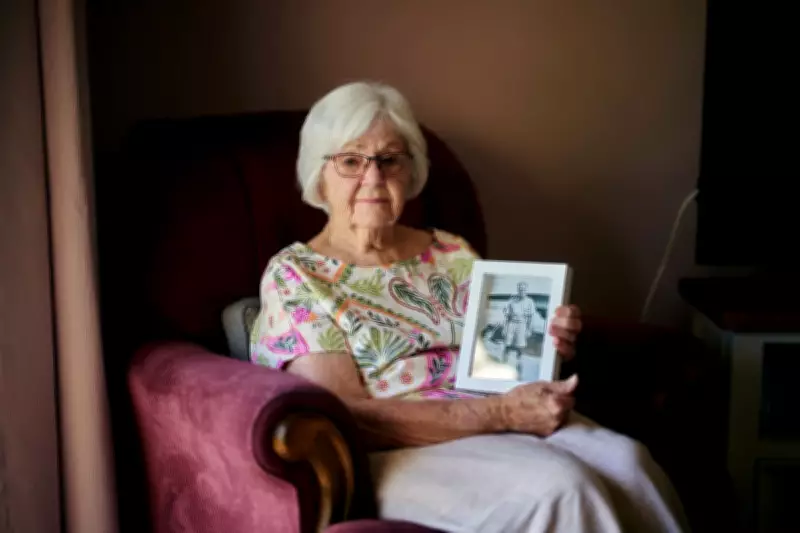
Wilma Spence's father, Albert Kemp, served as an Anzac soldier during the Second World War and was laid to rest at the Gaza War Cemetery. His final resting place, along with hundreds of other Commonwealth war dead, has almost certainly been bulldozed by the Israel Defense Forces (IDF), leaving families in grief and demanding answers.
A Personal Tragedy Amid Global Conflict
Wilma Spence, now grappling with the loss of her father's grave, recalls the inscription on his tombstone: "Fighting for those who love him, our darling daddy died." These words, once a tribute to his sacrifice, now symbolize a deeper pain as she learns of the destruction. Satellite imagery confirms severe damage to sections A and B of the cemetery, where Australian soldiers from WWII are buried, with rows of gravestones removed and soil disturbed by military earthmoving operations.
An IDF spokesperson stated that the bulldozing was necessary to address "underground terrorist infrastructure" near the cemetery, a claim met with scepticism by families of the Anzac dead. Wilma, who never knew her father personally, had visited the grave in 1995, braving Mossad interrogations and armed checkpoints to feel a connection to him. "I just broke down, started crying," she says, describing the emotional visit that now feels like a distant memory.

Government Inaction and Calls for Accountability
Since October 2023, Wilma has been writing to Prime Minister Anthony Albanese, urging protection and investigation of the damaged sites. She has been repeatedly referred to the Department of Foreign Affairs or the Office of Australian War Graves, which she calls an "abrogation of responsibility." With Israeli President Isaac Herzog's upcoming visit to Australia, Wilma demands that the government raise the issue directly, pressuring Israel to allow access for damage assessment and remediation.
Australia's Department of Veterans' Affairs acknowledged "significant damage" to the cemetery, including Australian graves, and stated that the Commonwealth War Graves Commission plans repairs once safe. Acting Prime Minister Richard Marles expressed concern but noted that reconstruction must wait until humanitarian priorities are addressed. Wilma, however, feels abandoned, emphasizing, "They have no respect for the living, so why would they respect the dead?"
The Legacy of Albert Kemp and Ongoing Struggles
Albert Kemp enlisted in Dandenong, Melbourne, in 1939, serving in the 2/7 Battalion across Europe and the Middle East. He earned medals like the Africa Star and was promoted to acting corporal before his death in Palestine at age 27. Wilma has traced his service path through Crete and the Middle East, but the grave's destruction has left her without closure, unsure of where his remains now lie.
In a poem, Wilma wrote of standing at his grave, with "the smell of Eucalypts filling the air," highlighting the personal significance now lost. As the conflict in Gaza continues, she and other families await justice, hoping for government leadership to restore dignity to their loved ones' memories. The bulldozing of war graves not only erases history but deepens the wounds of those left behind, calling for urgent international attention and action.