Sir David Attenborough's Garden Skull Solves 131-Year-Old Victorian Murder Mystery
Attenborough Garden Skull Solves 131-Year Murder Case

In a remarkable twist of fate, the peaceful garden of renowned naturalist Sir David Attenborough has become the unlikely setting for solving a gruesome Victorian murder mystery that had remained unresolved for over a century. The discovery, made during routine building work, has finally brought closure to a case that captivated and horrified the public in equal measure.

The Chilling Discovery in Richmond

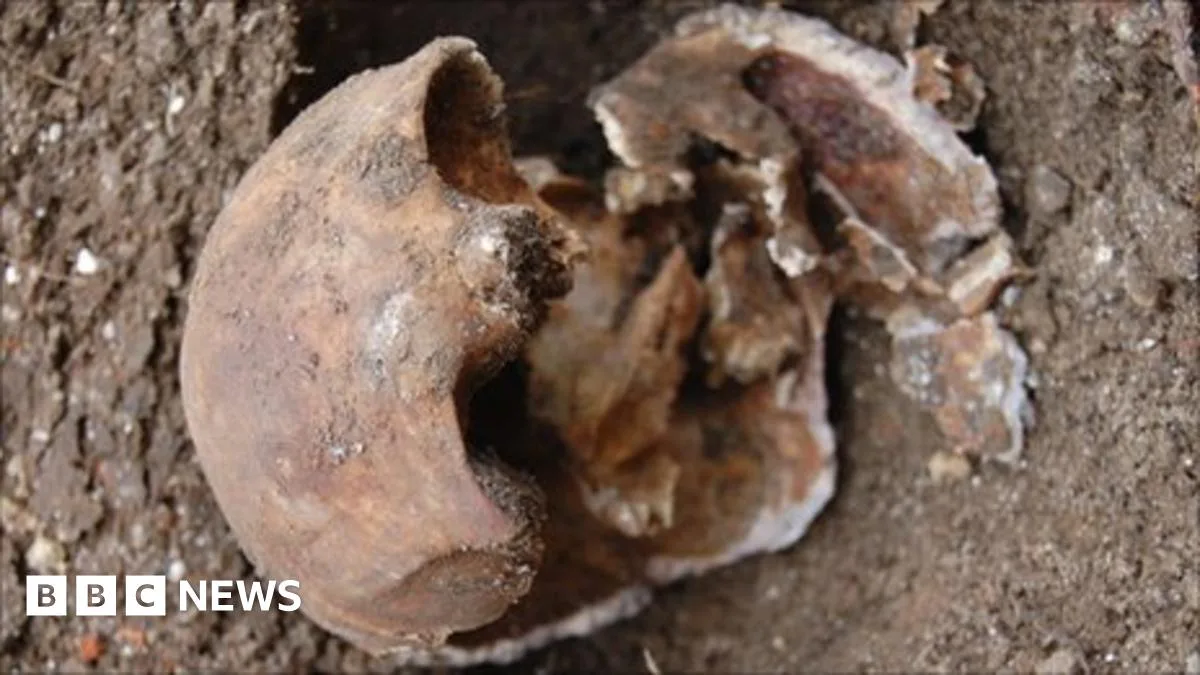
Sir David Attenborough, the celebrated broadcaster and natural historian, purchased his home in the affluent Richmond suburb of Southwest London in 2009. During refurbishment work on October 22, 2010, construction workers made a startling and macabre discovery when they unearthed a human skull buried in the back garden. The find immediately triggered a police investigation that would unravel a story stretching back to the Victorian era.

A Grisly Victorian Crime

The investigation quickly established that the skull belonged to Julia Martha Thomas, a widow who had been brutally murdered by her housemaid, Kate Webster, back in 1879. The confirmation brought to light one of the most sensational criminal cases of the nineteenth century, which had remained partially unsolved due to the missing head of the victim.

On January 29, 1879, Julia Thomas employed Kate Webster, an Irish immigrant with a history of minor thefts, as her domestic servant. Webster had come to Thomas's attention after temporarily working as a cleaner for another Richmond resident. Remarkably, Julia Thomas hired Webster without conducting any background checks, apparently unaware of her new maid's criminal past.

The Fatal Confrontation

Tensions between the two women escalated rapidly, leading Julia Thomas to dismiss Kate Webster on February 28. However, Webster managed to persuade her employer to keep her on for an additional three days—a decision that would prove fatal for the widow.

On March 2, Julia Thomas attended church appearing visibly distressed following an argument with her maid. Returning home, she confronted Webster about her unsatisfactory work. What followed was a violent struggle that ended in murder.

Kate Webster later confessed to the killing, describing how her employer had fallen heavily during their altercation. "I became agitated at what had occurred, lost all control of myself, and, to prevent her screaming and getting me into trouble, I caught her by the throat, and in the struggle she was choked, and I threw her on the floor," she recounted.

Gruesome Disposal and Deception

After the murder, Webster embarked on a horrifying attempt to dispose of the evidence. She dismembered Julia Thomas's body, boiled the remains in a laundry copper, and burned the bones in the fireplace. The remaining body parts were then discarded into the River Thames, with the skull initially believed to have been among those remains.

Disturbingly, there were allegations that Webster distributed body fat to neighbours, local pub patrons, and even children on the street, passing it off as dripping and lard. Although she never admitted to this particular act, and it remains unproven, it added to the macabre nature of the crime.

For two weeks following the murder, Webster impersonated her deceased employer before fleeing to Ireland when her deception began to unravel and body parts started washing up along the Thames. She was eventually apprehended by detectives who tracked her to her uncle's farm near Enniscorthy.

A High-Profile Trial and Execution

Kate Webster's trial attracted enormous public attention on both sides of the Irish Sea, becoming a Victorian media sensation. The case drew such interest that even Sweden's Crown Prince, later King Gustaf V, attended proceedings on one occasion.

Although Webster eventually confessed to the crimes, she attempted to avoid the death penalty by claiming she was pregnant. Her plea was unsuccessful, and on July 29, 1879, she was hanged at Wandsworth Prison as crowds gathered outside to witness her execution.

A Mystery Finally Solved

While the murder itself was solved within weeks, the fate of Julia Martha Thomas's head remained unknown for 131 years. The discovery in Sir David Attenborough's garden has finally provided the missing piece of this Victorian puzzle, bringing a strange and unexpected conclusion to one of Britain's most enduring murder mysteries.

The case serves as a chilling reminder of how history can surface in the most unexpected places, turning a quiet London garden into a site of forensic revelation and historical resolution.