The Distracted Dictator: Assad's Reign of Decadence and Denial
For over two decades, Bashar al-Assad meticulously cultivated the public persona of a stoic strongman, the mild-mannered ophthalmologist who transformed into Syria's ruthless ruler through sheer brute force and political cunning. However, behind the fortified walls of Damascus's presidential palace, a starkly different portrait has emerged from former courtiers and intelligence sources. This image reveals a vain, distracted leader increasingly consumed by sexual intrigue and smartphone gaming rather than the urgent task of salvaging his collapsing regime.
A Court of Incompetence and Scandal
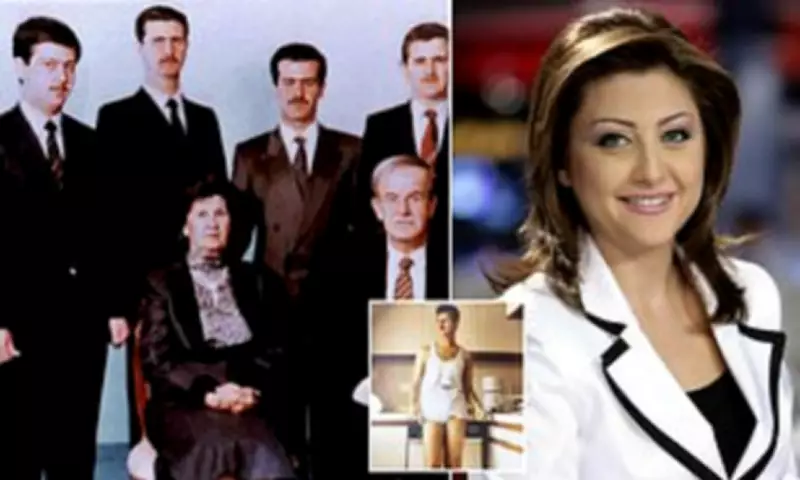
Assad systematically sidelined the experienced powerbrokers from his father Hafez's era, replacing them with younger, less competent confidants. Among the most prominent was Luna al-Shibl, a former Al Jazeera journalist who ascended to become one of his closest advisers and, according to multiple insider accounts, his lover. Shibl allegedly procured other women for Assad, including wives of senior Syrian military officers, while fostering an insular and contemptuous palace culture that further alienated the Syrian populace.
Her story ended in mystery and violence. In July 2024, she was discovered dead in her minimally damaged BMW on a highway outside Damascus. Official state media declared it a traffic accident, but the forensics told a different tale—her skull was brutally smashed. Rumours immediately swirled that Iran had ordered her assassination for supposedly leaking targeting intelligence to Israel. A darker narrative suggests Assad himself sanctioned her killing after she began hedging her bets, feeding information to Russia as his power visibly waned.

Retreat into Games as Syria Crumbled
Dozens of former palace insiders and military officers describe a leader hopelessly addicted to distraction. Assad was reportedly obsessed with video games, particularly Candy Crush, spending hours glued to his phone while Syria descended into chaos. According to a former Hezbollah operative, he would retreat into these digital worlds rather than confront the spiralling military defeats and political crises engulfing his nation.
This detachment became glaringly obvious during critical moments. When Hamas attacked Israel on October 7, triggering regional upheaval, Assad remained largely silent even as Israeli strikes killed key allies like Hezbollah leader Hassan Nasrallah across Syria and Lebanon. Lebanese politician Wiam Wahhab noted this silence fueled deep suspicions in Tehran that Assad was secretly colluding with Israel, fracturing the so-called Axis of Resistance from within.
The Final Betrayal and Flight to Moscow
The regime's death knell sounded with the rebel advance on Aleppo. As defenses collapsed on November 27, Assad was not in Syria but in Russia, where his son was defending a doctoral dissertation. He remained in Moscow, astonishing his commanders, apparently clinging to the hope that Vladimir Putin would intervene to save him. Their brief meeting delivered a cold reality: Russia could not fight Syria's war for him. By the time Assad returned to Damascus, Aleppo had fallen.
Inside the palace, an atmosphere of decadent denial prevailed. Assad reportedly sulked, refusing to answer calls from foreign ministers offering last-ditch stabilization deals that required compromise. Even as rebel fighters entered Damascus on December 7, he projected false confidence, assuring aides of imminent victory. An official statement that evening insisted he was performing his 'constitutional duties' at the palace.
In truth, the Syrian strongman had already fled. Under cover of darkness, Assad slipped onto a Russian jet, telling almost no one. The Atlantic reported he emerged from his quarters late at night, instructing his longtime driver to fetch vans for staff belongings as Russians waited outside. When the driver asked if he was truly abandoning them, Assad deflected responsibility: 'What about you people? Aren't you going to fight?' He then vanished into the night, leaving loyalists to realize the truth only when celebratory gunfire echoed through the capital.

Life in Luxurious Exile
The deposed ruler, branded the 'Butcher' for the brutality inflicted on his people, now resides in opulent exile. He lives with his cancer-stricken British wife, Asma al-Assad, and their three children in three apartments spanning multiple floors of a 1,000-foot luxury skyscraper in Moscow's City district. The family's property holdings in the complex are valued at over £30 million.
Their penthouse is lavishly decorated with cream-coloured wardrobes featuring gold trim, crystal chandeliers, and expansive sofas reminiscent of Middle Eastern palaces. The apartment boasts a huge heated bath before a 13-foot window offering panoramic Moscow views, with a bathroom crafted entirely from Carrara marble. A real estate agent in the building noted, 'On Victory Day on May 9, you can watch the fireworks from the bathtub with a glass of champagne.'
Assad's days are spent in relative isolation. He moves freely around Moscow with Russian government-paid private security but reportedly dedicates hours to online video games and occasional visits to a country villa. His younger brother, Maher, stays at the Four Seasons Hotel, indulging in drinking and hookah. Meanwhile, Assad is brushing up on his ophthalmology skills and studying Russian, living what a family friend describes as 'a very quiet life' with minimal outside contact.
The new Syrian government has issued an arrest warrant for Assad on charges including premeditated murder, torture, and incitement to civil war. Yet in Moscow, he enjoys the spoils of his rule. As German newspaper De Zeit reported, citing Syrian sources, the Assads 'are in a good place and are enjoying the money they stole. The Syrian people mean nothing to them.' The collapse of his 24-year regime, ending six decades of family rule, stands as a testament not merely to geopolitical shifts but to a leader whose vanity and distraction sealed his nation's fate.