UN Adopts 'Groundbreaking' Agreement on Justice for Incarcerated Women
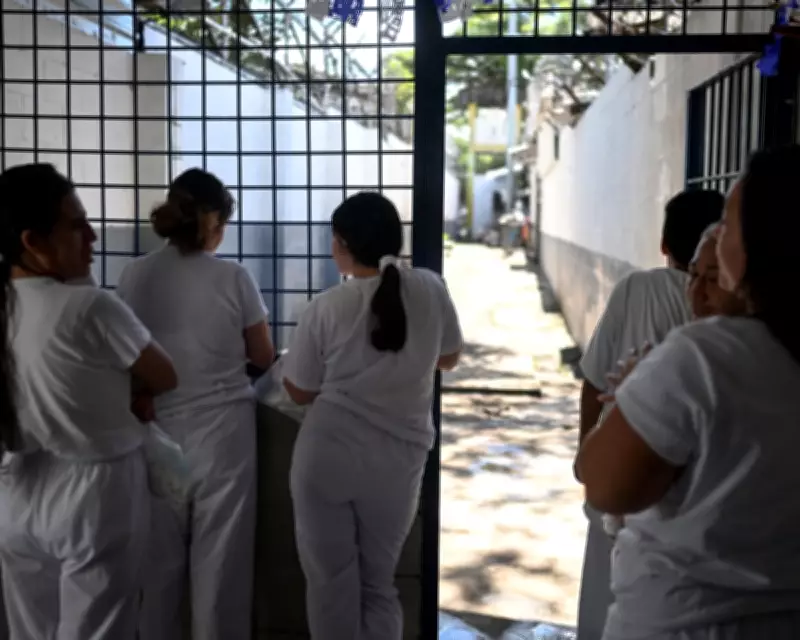
In a historic move, the United Nations has adopted a "groundbreaking" agreement that explicitly includes women in prison for the first time in its global framework on justice for women and girls. This development comes as the number of incarcerated women worldwide approaches one million, marking a significant shift in international policy.
Recognition After Decades of Advocacy
The agreed conclusions of the 70th session of the Commission on the Status of Women (CSW70), held at UN headquarters in New York, now mention "women in detention and in imprisonment." This inclusion follows years of persistent advocacy from formerly incarcerated women, civil society organisations, and dedicated media coverage, including reports from the Guardian.
Patsilí Toledo, a member of the UN committee on the elimination of discrimination against women, emphasised the importance of this step. "It is really the first time in 70 years of this commission that the topic of women in prison is being taken seriously," she said. "It's groundbreaking and sends a very strong sign that all countries are behind this, with just one exception." The United States voted against the conclusions.

A Growing Global Crisis
Experts have warned of a mounting crisis as female imprisonment rates soar globally. More than 740,000 women and girls are estimated to be held in detention, representing about 7% of the world's prison population. Since 2000, the number of women in prison has increased by 60%, nearly three times the rate for men. Additionally, approximately 19,000 children live in prison with their mothers, highlighting the broader social impacts.
The CSW conclusions aim to address the plight of incarcerated women by considering the links between discriminatory laws, violence against women and girls, and the heightened risk of incarceration. They provide analysis and outline recommendations for governments, civil society, and other institutions to ensure justice systems work equally for everyone.
From Visibility to Action
Mary Robinson, former president of Ireland and UN high commissioner for human rights, welcomed the recognition but stressed the need for tangible outcomes. "This recognition at CSW is an important step forward. For too long, women who have experienced criminalisation have been largely invisible in global conversations about gender equality," she said. "Visibility is important, but it must now be matched by action."
Robinson called for addressing root causes such as poverty, discrimination, and violence, and investing in community-based solutions rather than relying on the criminal justice system. Similarly, Sabrina Mahtani, founder of Women Beyond Walls, credited increased media visibility, including Guardian coverage, for helping bring this issue to the forefront. "Recognition like this signals that women deprived of liberty are finally being acknowledged as part of the global women's rights agenda," she noted.
Ongoing Challenges and Future Steps
In 2023, an open letter from Women Beyond Walls urged feminist forums to stop overlooking women affected by the criminal justice system. Earlier this year, UN human rights experts warned member states that access to justice, safety, and dignity for incarcerated women remains severely inadequate. The Guardian's ongoing series on women in prison has further highlighted human rights abuses faced by this population.
As the global community moves forward, the focus now shifts to implementing the UN's recommendations. Campaigners hope this unprecedented inclusion will drive policy changes, reduce incarceration rates, and improve conditions for women in prisons worldwide, ultimately fostering a more just and equitable society.