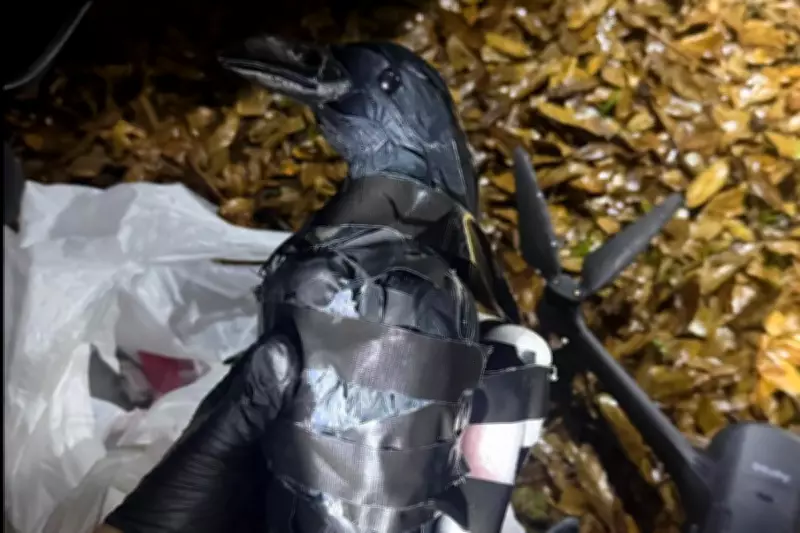
Texas Women Arrested for Using Decoy Crow Drones in Prison Smuggling Operation
Two women from Texas, identified as Melanie Jean Worthington and Kassy Marie Cole, have been arrested for their alleged involvement in a sophisticated smuggling operation at a federal prison in Grant Parish, Louisiana. Authorities report that the pair used drones cleverly disguised as plastic crows to deliver illegal contraband into the correctional facility.
Details of the Alleged Smuggling Scheme
The women are accused of utilizing these decoy crow drones to transport a variety of prohibited items, including methamphetamine, mobile phones, and tobacco, directly into the prison yard. According to law enforcement officials, Worthington and Cole confessed to being paid a substantial sum of $40,000 for their role in the smuggling activities. This payment highlights the lucrative nature of such criminal enterprises targeting correctional institutions.
Charges and Legal Consequences
Both women now face serious criminal charges as a result of their alleged actions. The charges include possession of methamphetamine with intent to distribute and the illegal introduction of contraband into a penal institution. Additionally, each woman is facing separate drug-related charges, which could lead to significant penalties if convicted. The arrests underscore the ongoing challenges prisons face in combating innovative smuggling methods.

Context of Similar Incidents
This incident is not an isolated case at the federal prison in Grant Parish. In fact, it represents the 9th and 10th arrests for similar smuggling attempts at the same facility this year alone. Recent months have seen other cases involving the smuggling of items such as vodka, psilocybin mushrooms, and marijuana, indicating a persistent problem with contraband entering the prison system. The use of drones, particularly those disguised as birds, adds a new layer of complexity to security efforts.
Implications for Prison Security
The arrest of Worthington and Cole raises important questions about the effectiveness of current prison security measures. As smuggling techniques become more advanced, with criminals employing technology like drones, correctional facilities must adapt their strategies to prevent such breaches. This case serves as a stark reminder of the need for continuous innovation in security protocols to protect both inmates and staff from the dangers posed by contraband.
In summary, the alleged actions of these Texas women highlight a growing trend in prison smuggling operations, where creativity and technology are used to bypass traditional security barriers. The legal proceedings against Worthington and Cole will be closely watched as authorities seek to clamp down on these illicit activities.